
Palimpsest
Memory, history and the landscape. “Palimpsest” by British foto artist Marc Wilson looks at the lives of three Kaunasians – Fruma, Julijana and Jaroslavas, their lives stories during the interwar period, Second Worls War and after the war. At the center of this exhibition – three lives intertwined with history, memory and the landscape of […]
Read morePalimpsest
Memory, history and the landscape. “Palimpsest” by British foto artist Marc Wilson looks at the lives of three Kaunasians – Fruma, Julijana and Jaroslavas, their lives stories during the interwar period, Second Worls War and after the war. At the center of this exhibition – three lives intertwined with history, memory and the landscape of […]
Fruma1
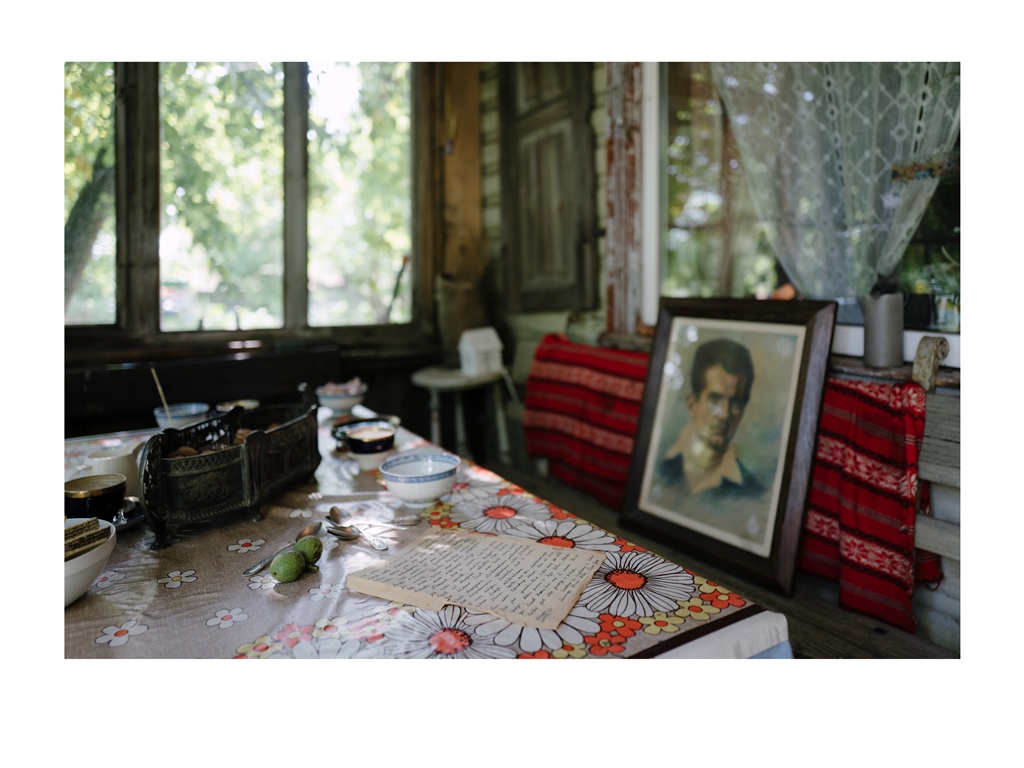
Fruma Malka Vitkinaitė Kučinskienė was born in 1933 in Kaunas, in the family of Kaunasians Vulfas and Riva Vitkins. She had a brother Josiph. Her father worked as a technical manager at a sock factory “Cotton” before the Second World War. Once the war started and after an order was issued for the Jews to move to Vilijampolė, the Vitkinai family settled in a hut in A. Kiščiukaičio str., near the ghetto gate. Secretly removed from the ghetto, Fruma was guarded in the homes of different women in the town. She spent several months in an orphanage children’s home with a fake birth certificate, which included the name of Danutė Vitkauskaitė. During the last days of the war, Fruma and other kids were hidden in the forest of Kulautuva. Thirty-two of Fruma’s relatives were killed in total.
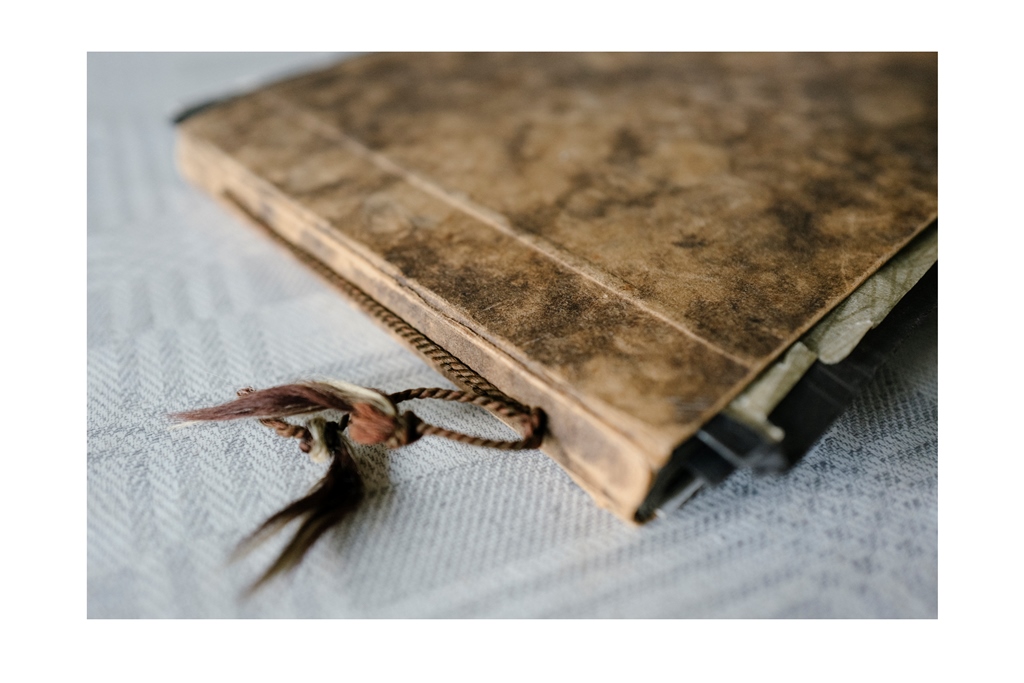
Monsters2
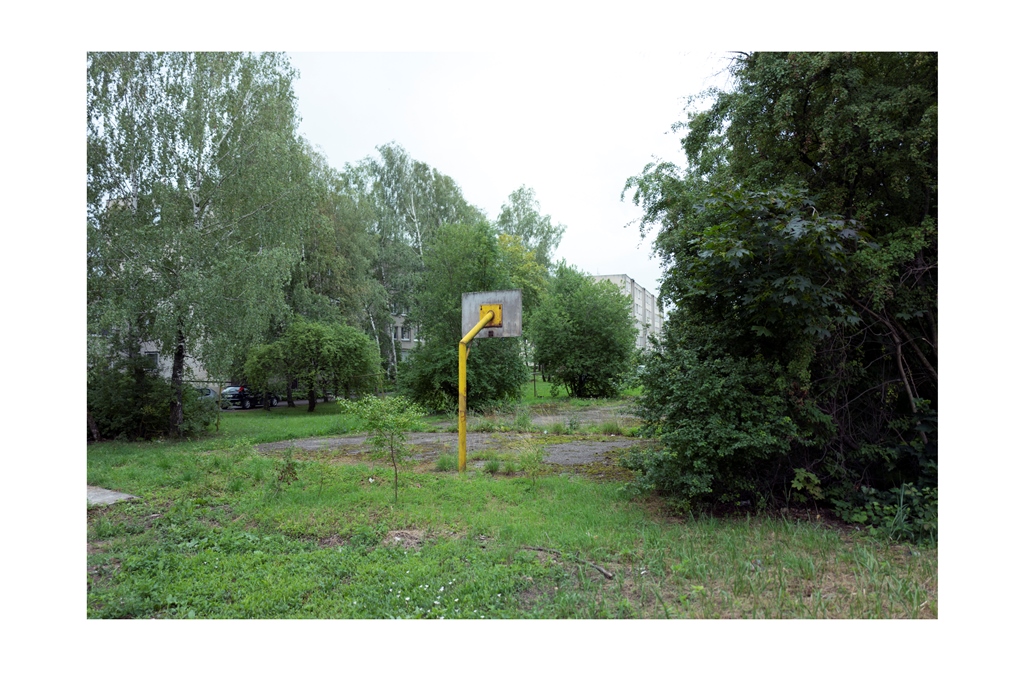
Fruma: “When my mother got married, grandparents built a small wooden house in the yard. Later those houses were demolished, and some block houses were build, two monsters; when I pass by – it is so unpleasant…”
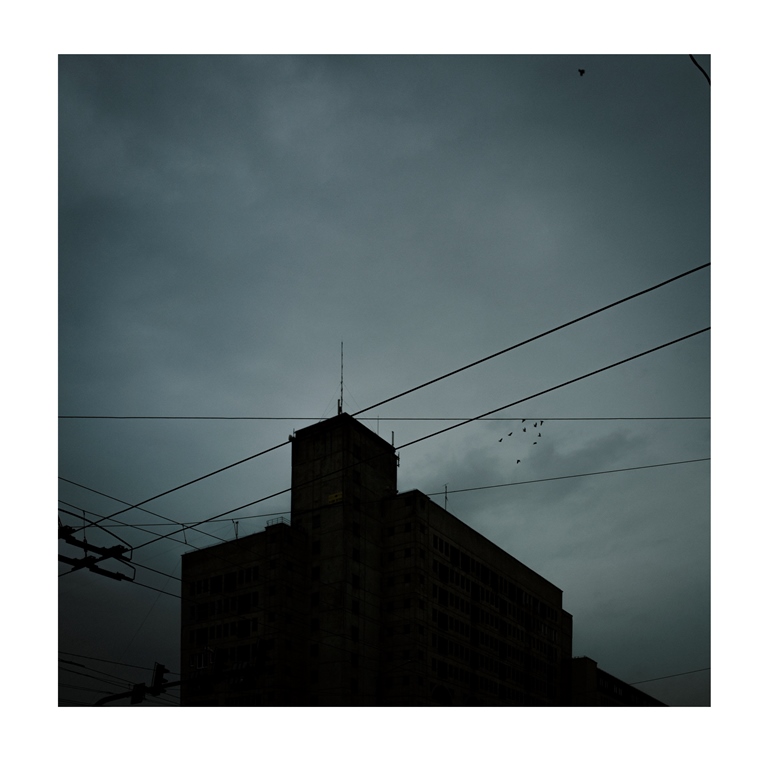
Sock factory. Ukrainiečių str.3
Fruma: “I with my mother were in Drobės Street, going home, carrying self-sewn dresses. Then suddenly we saw planes in the sky – they were the first Soviet Union planes. Mother looked at the sky with fright.”
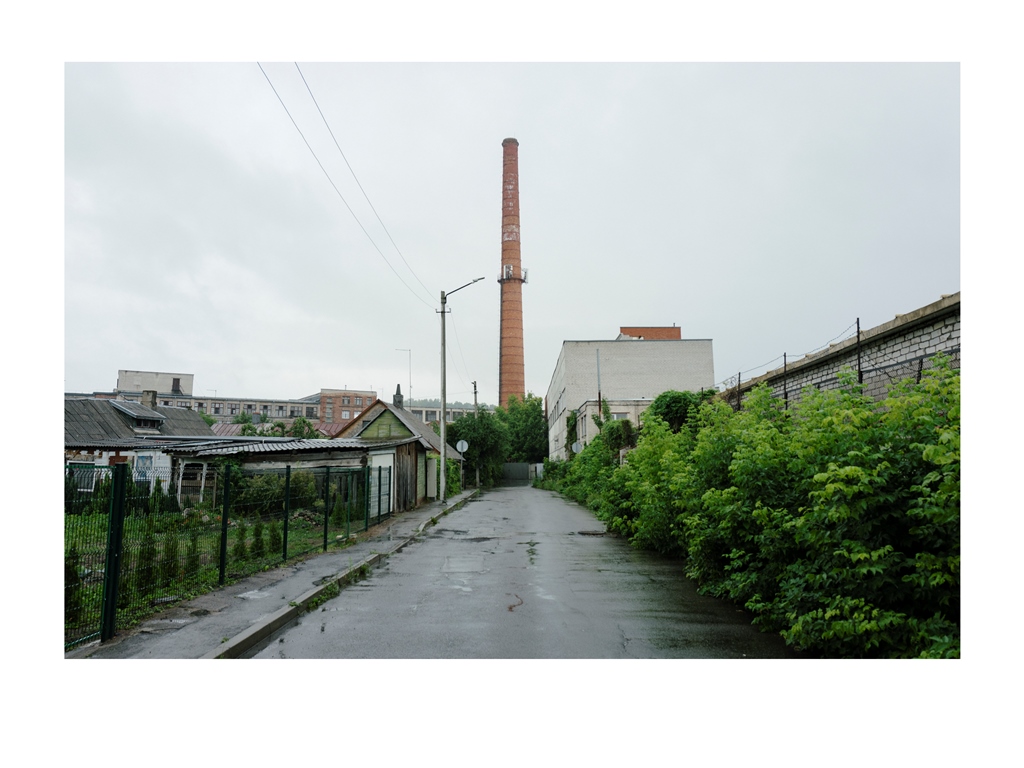
Travelling with my friends’ father4
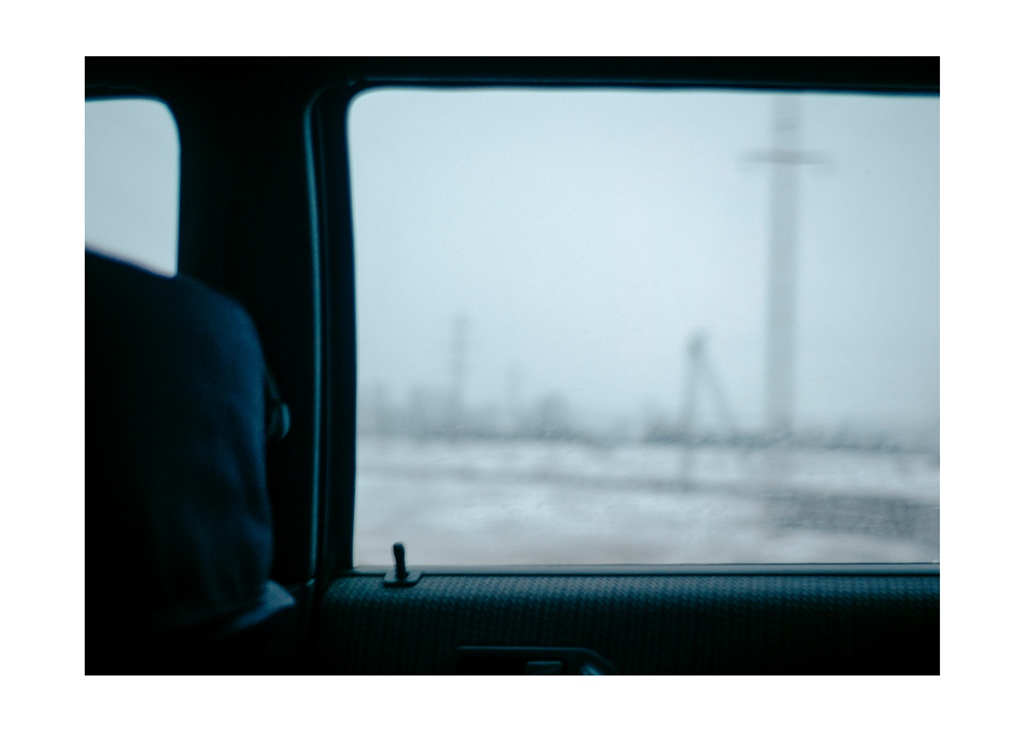
Former ghetto5
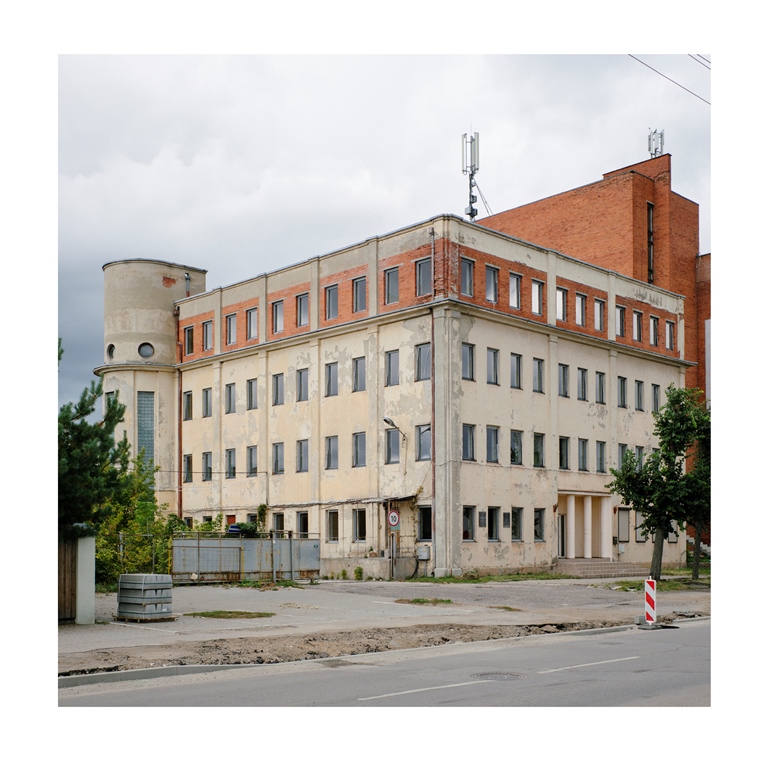
Escape from the ghetto6
Fruma: “We knew, that behind the gate – two women would be standing. I should ask what time it was (it was around seven or eight in the evening), while one of them had to answer – three. And then I would know, that were really them. It was both of my rescuers – Natalija Fugalevičiūtė and Natalija Jegorova. Righteous among the nations. I got really scared, when we were walking towards the bridge; because I was used to living in the dark, without big smiles and laughter, and suddenly, two and a half years later, I am in a quite different environment. And I was frightened even by that environment. My dear Pavlaša was leading me to Žaliakalnis and she told me, that no matter how hard she tried to talk to me, I didn‘t say a thing.”
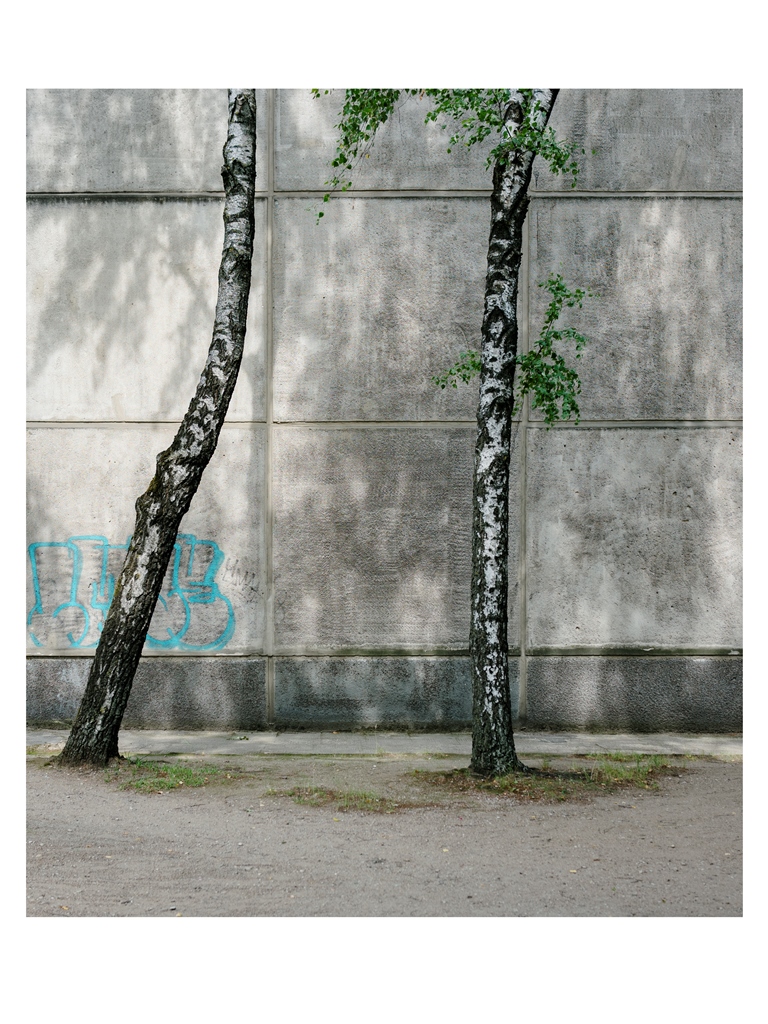
Hiding place. Žaliakalnis7
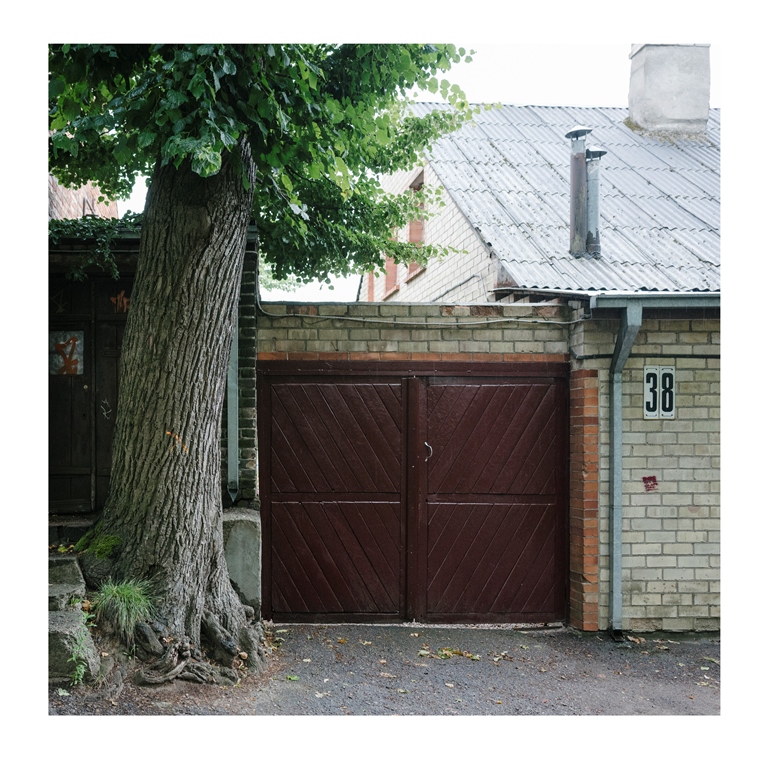
The IX Forth8
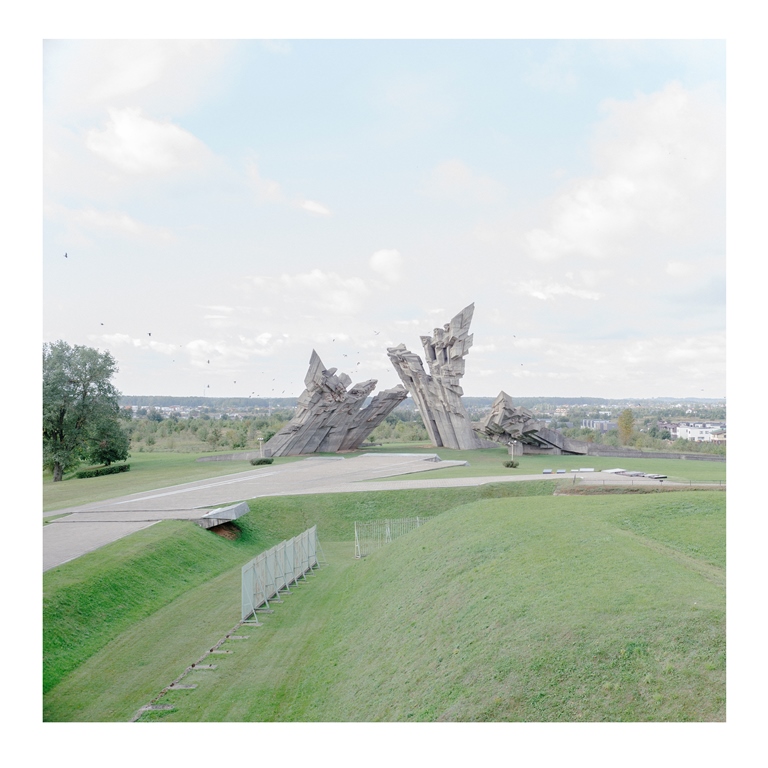
Towards Kulautuva9
Fruma: “Kaunas was awfully empty. There were no steamboats sailing but we still had to reach Kulautuva. We were going by the pier near Jėzuitai Church, there in the square Lithuanians were taken away to work in Germany. We hid in the yard behind the church, somewhere in the cellar… When the surrounding danger passed, we decided to take a look around – all we saw were just some remaining rafts, no steamboats left. There was a cheerful gray man running to the West on that raft. My cousin Nataša asked me to go away from her and to pretend not to know her. When I was drifting on the river, I saw Kaunas, on the left hand side there was Vytautas’ the Great Church; I also saw the Church of the Jesuits. We sailed on a float up to Zapyškis, and later on a boat up to Kulautuva.”
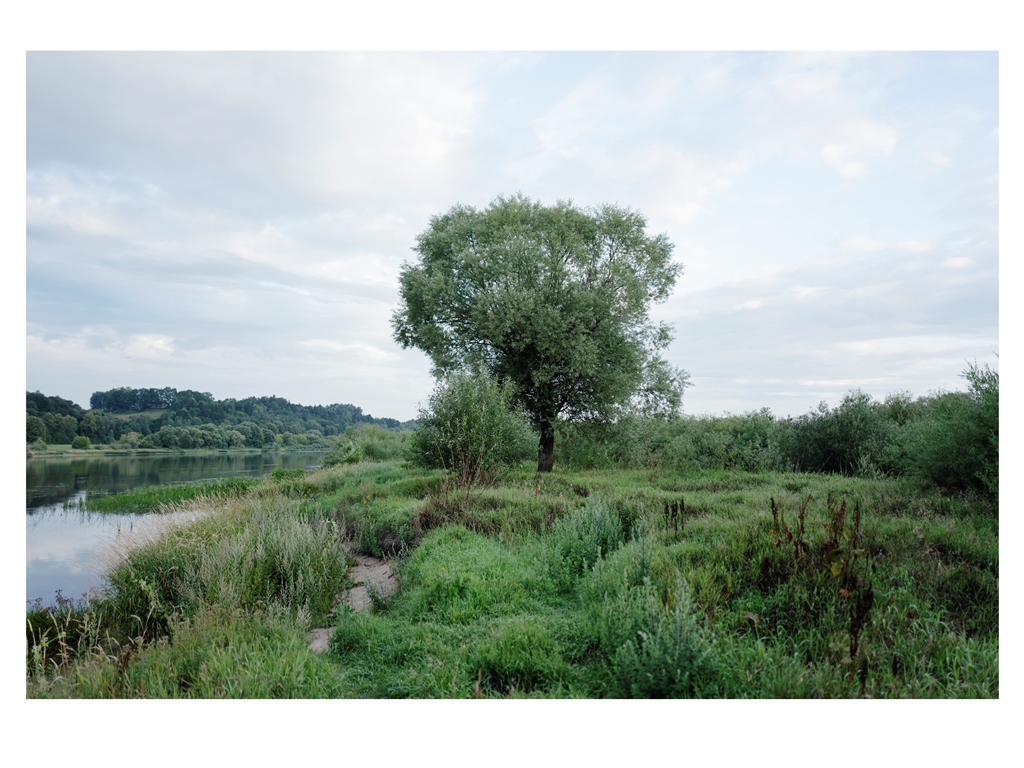
Hiding place. Kulautuva10
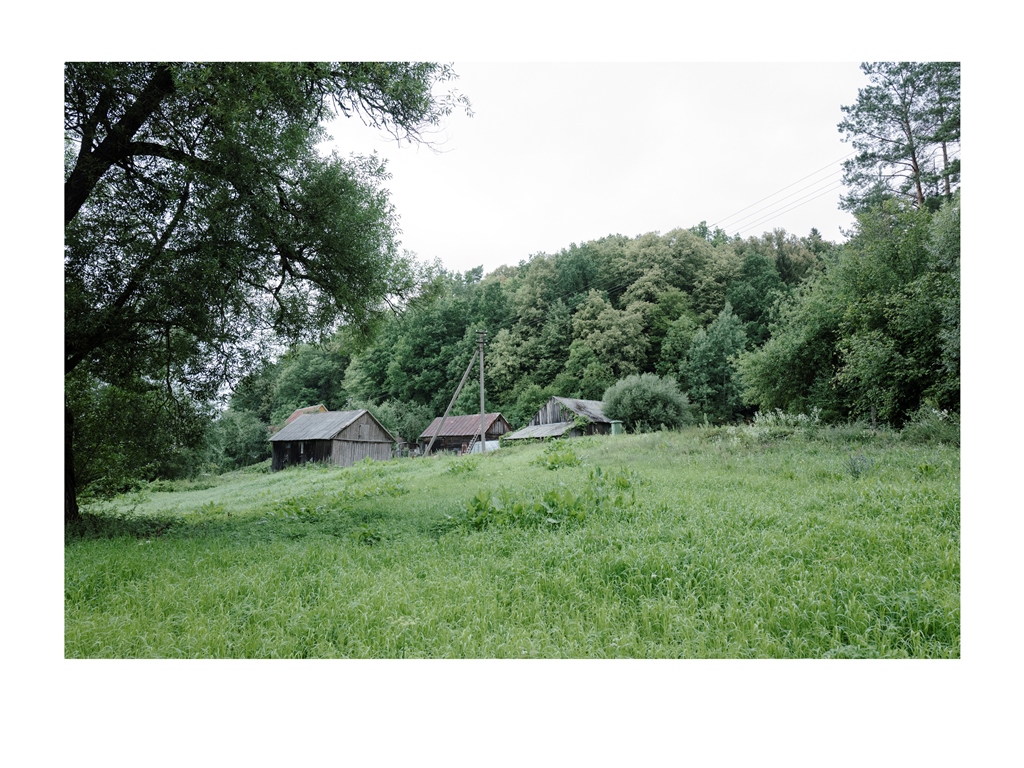
Wings11
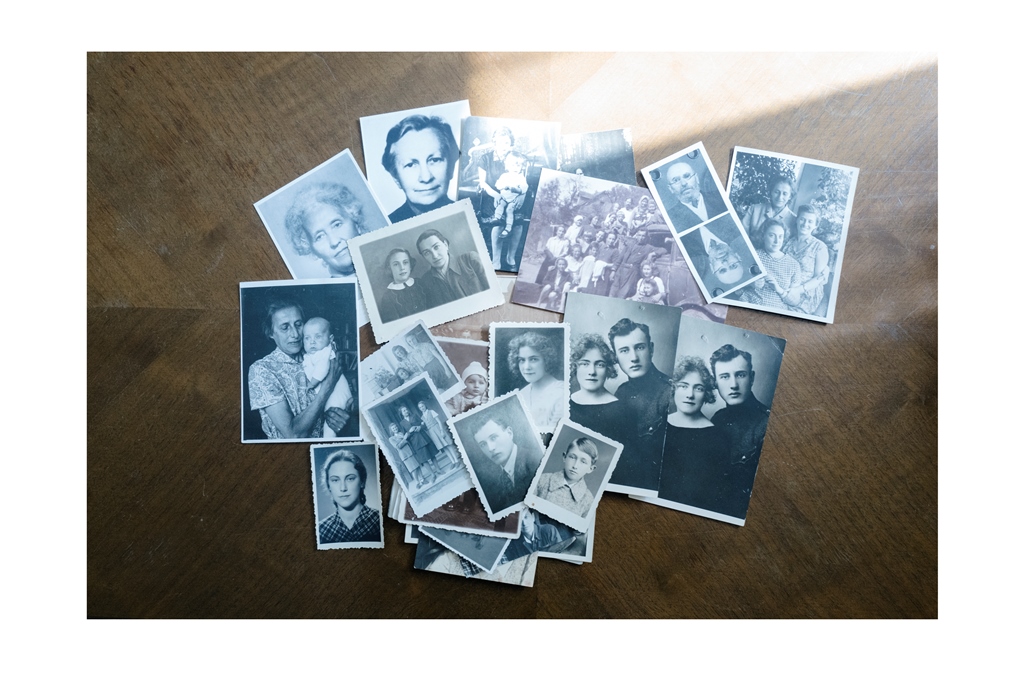
Fruma: “Then, Russian soldiers seemed as if they “had wings”. Once there was a fire, a neighboring hut caught fire. Our cousin gathered our possessions – some pictures, a pencil case from ghetto into a sheet. She told me to stand in Vytautas Avenue and to watch our possessions. I got very scared because she did not return for a long time. I started thinking that she had gone into the fire. Two Russian soldiers were passing by at that time. Who can be better people than Russian soldiers? I asked them to watch my things. When I returned, there were neither things nor soldiers. That was the moment when they “lost their wings.”
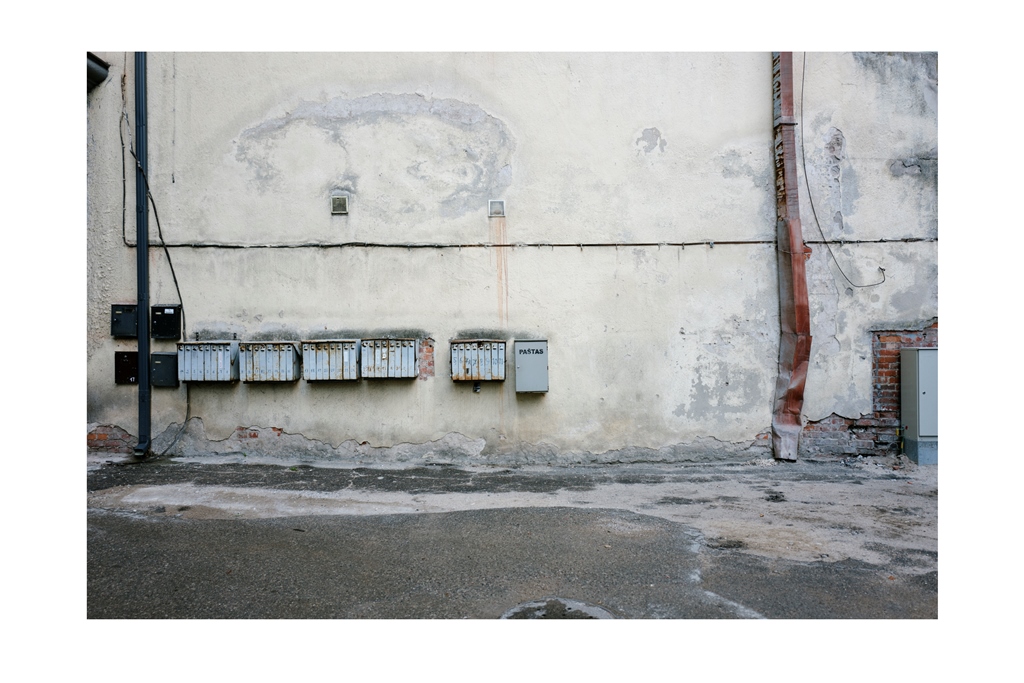
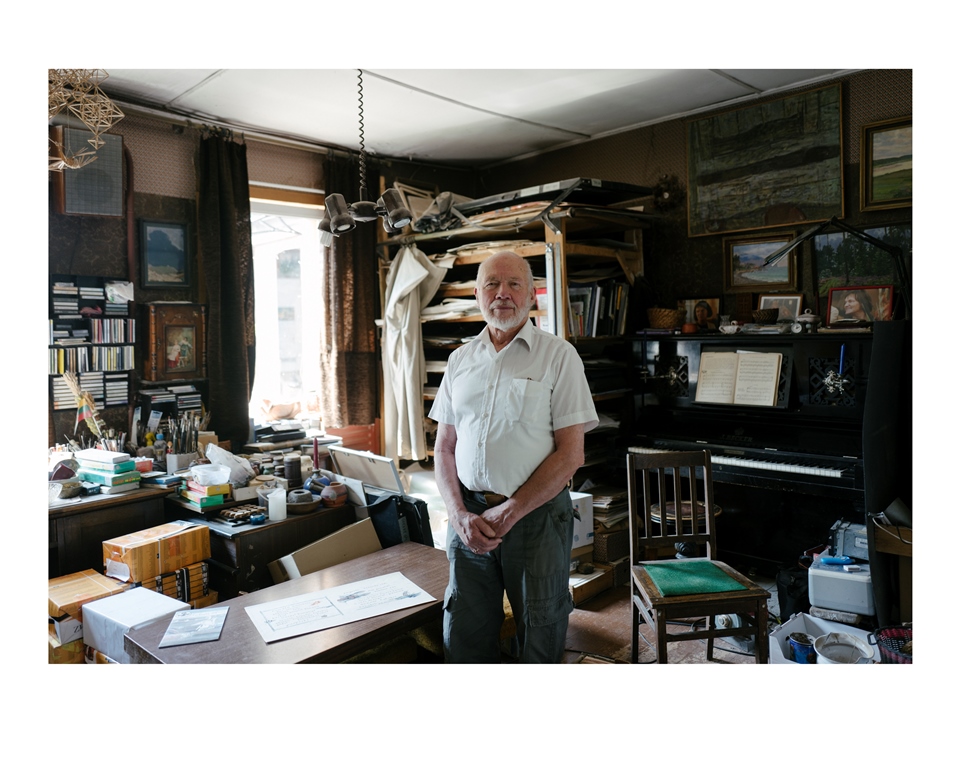
Jaroslavas12
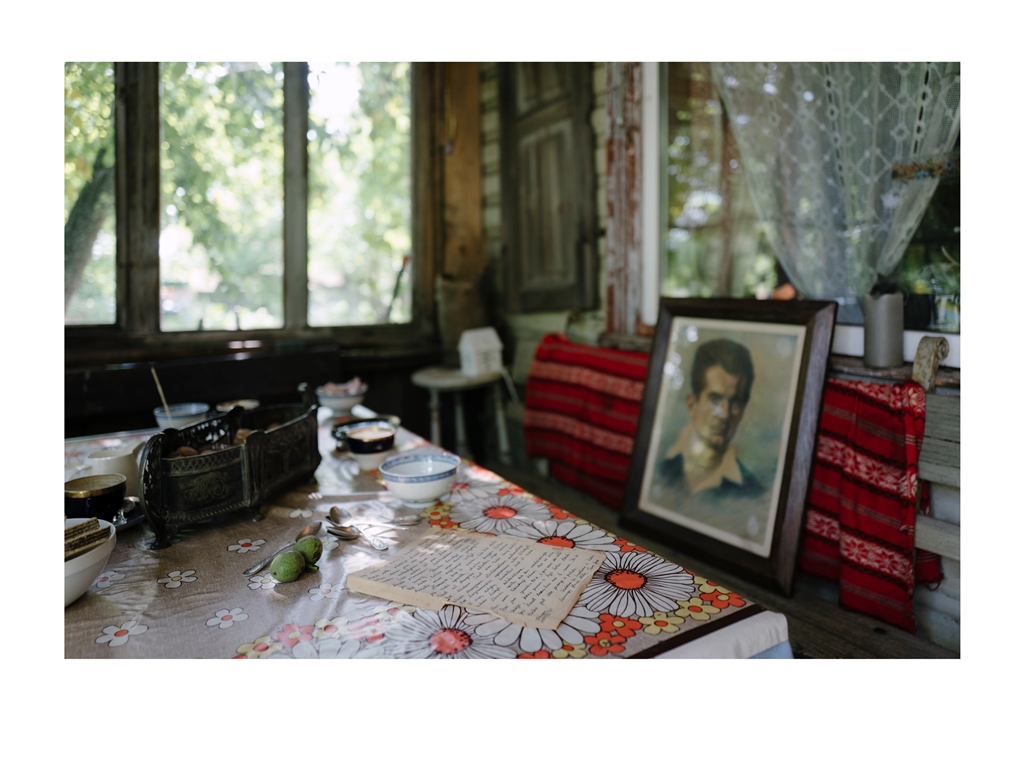
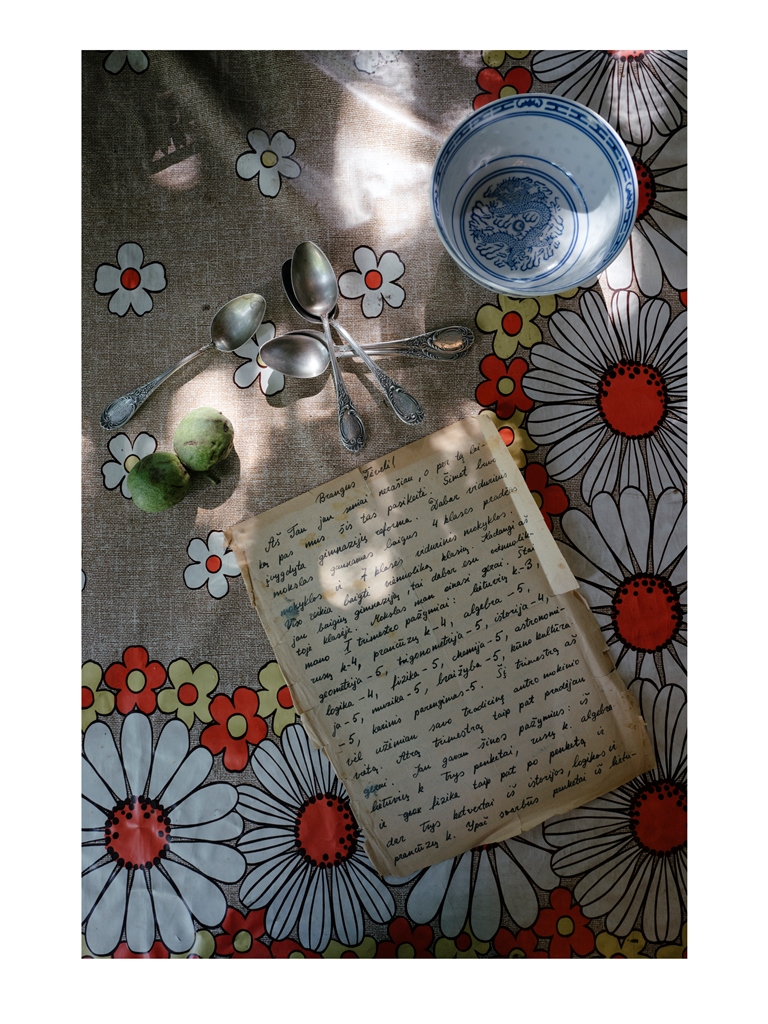
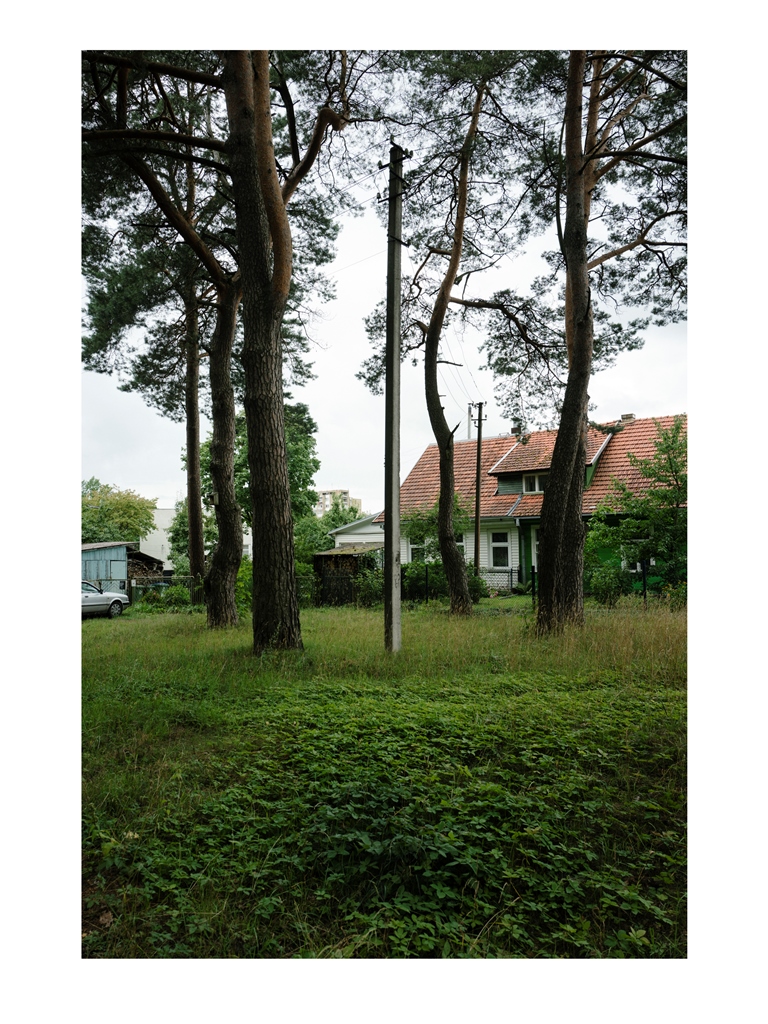
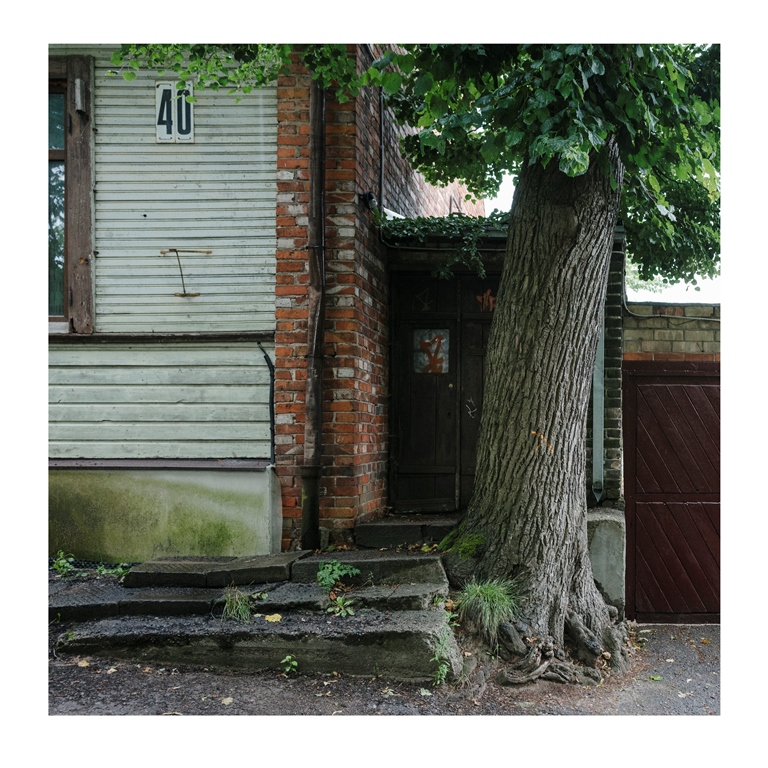
Jaroslavas Okulič-Kazarinas was born in 1931, in the family of a Lithuanian Army officer Anatolijus Okulič-Kazarinas and Ksenija Izmailovaitė. The Okulič-Kazarin family had lived in Kaunas since the end of the 19th century. His great grandfather Savatijus was a teacher in Kaunas Russian gymnasium. In 1910 his grandfather Mykolas had built a family house in Savanorių Avenue, where they still live. Jaroslavas’ father was constantly assigned to military units in various towns of Lithuania, so the family had to move a lot. Jaroslavas had a close look at the officers’ daily routine, the onset of war, frightening bombings of Palemonas and Kaunas. In 1941, his father was deported to Norilsk, and he returned to Lithuania after almost ten years. Jaroslavas had studied radio engineering, he is a well-known mountaineer, and his wife is the late painter Giedrė Gučaitė, whom he remembers in loving memory. Jaroslavas lives in a house built in Kaunas by his grandparents.
Planes in the sky13
Living place of Jaroslavas14
Jaroslavas: “In the morning, we woke up and heard the thunderstorm. My mother stood in front of the window and I saw that the sky was blue. The thunder was, of course, a strange one: “Bah-boom, bah-boom.” Mother said: “This is probably war.”
Studio15
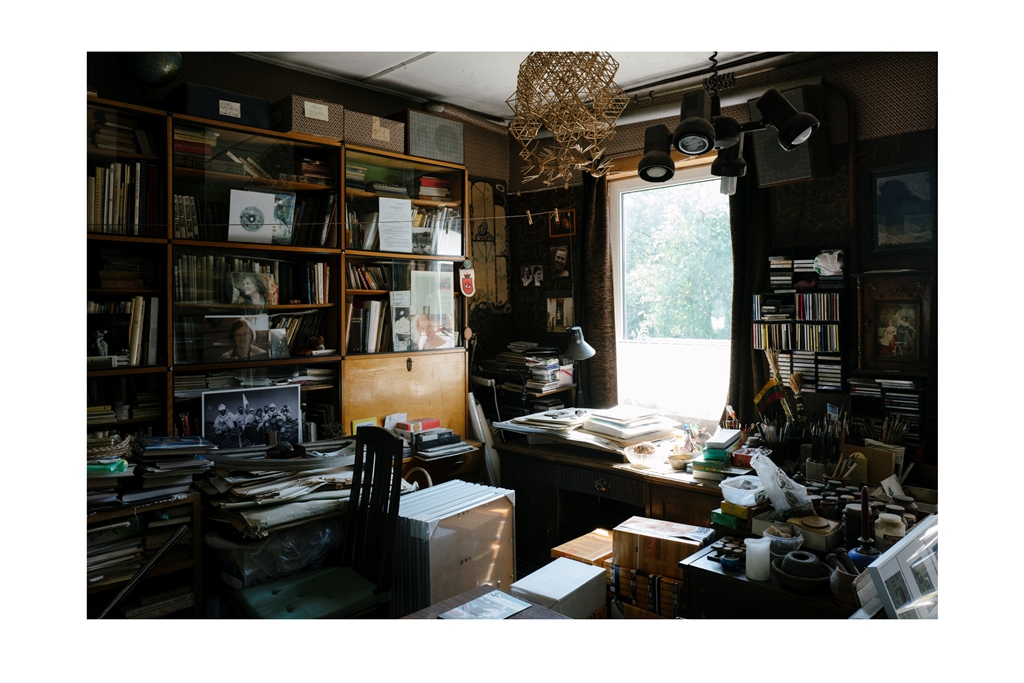
Garden bunker16
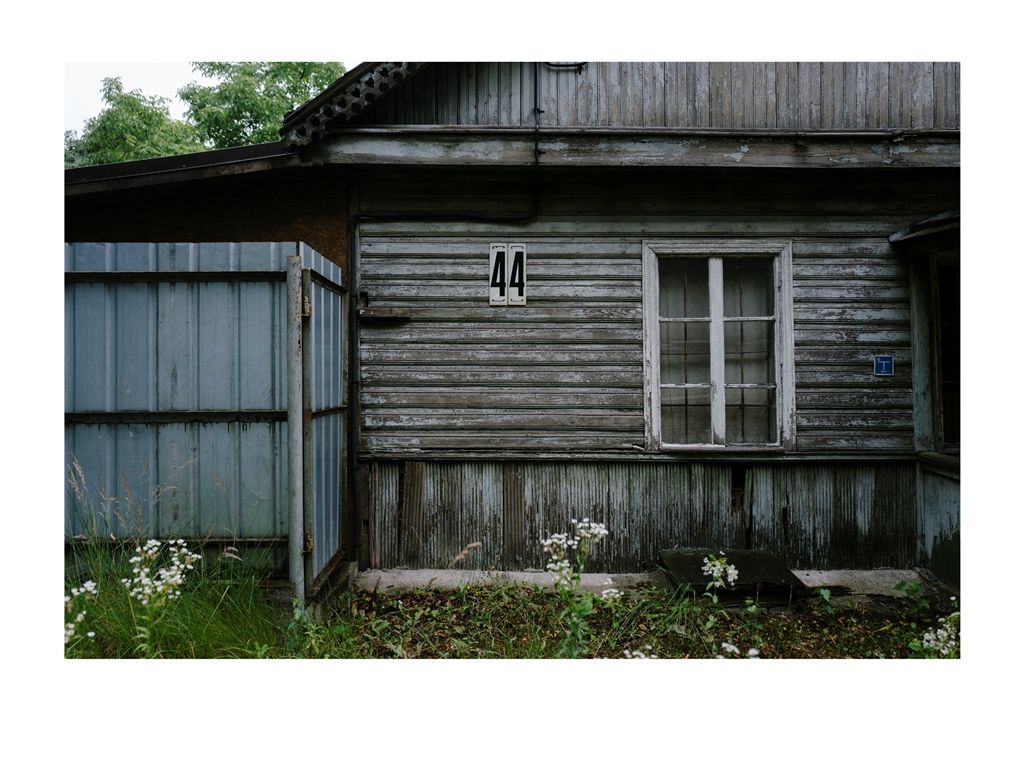
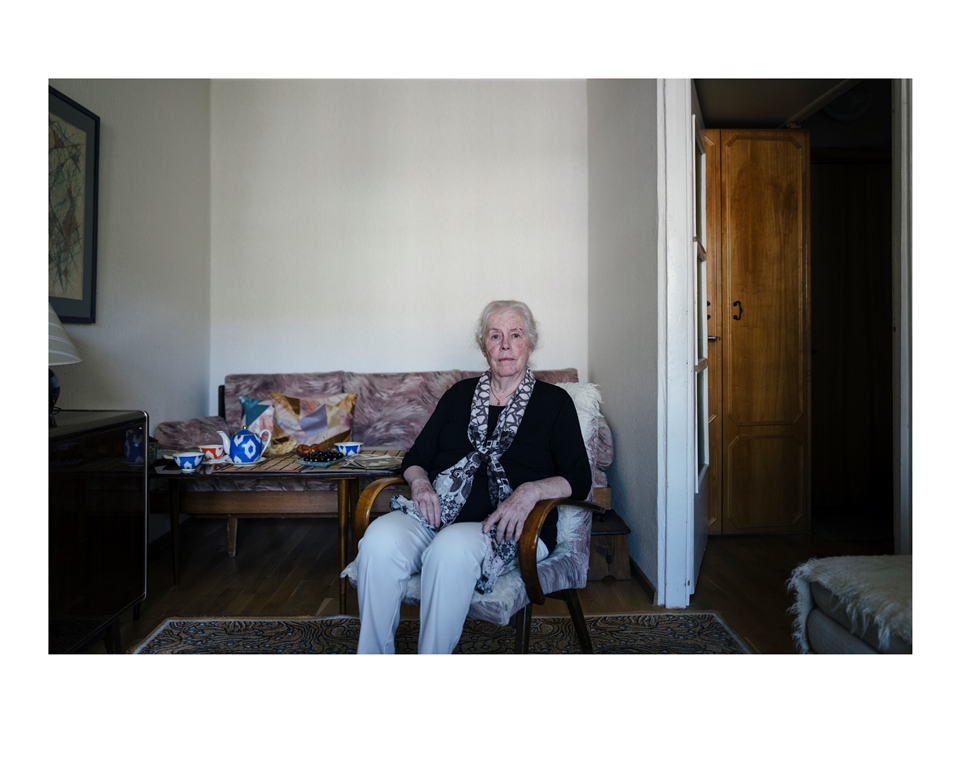
Julijana17
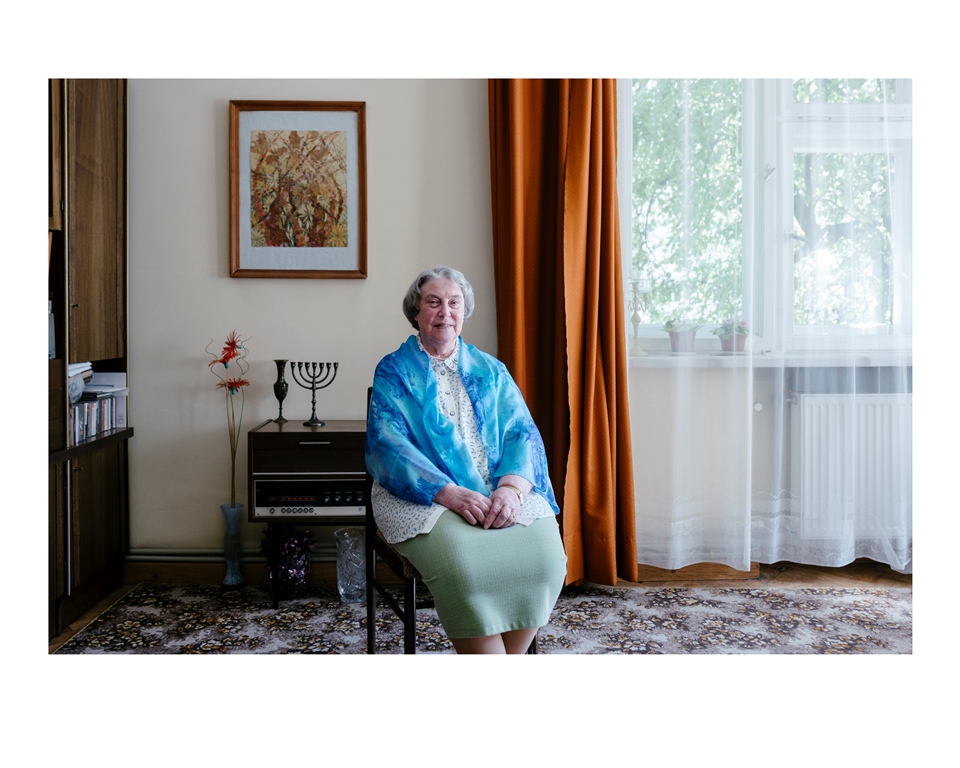
Julijana Zarchi was born in 1938, Kaunas, the family of a Jew from Ukmergė, Mauša Zarchi and a German Gerta Terezija Urchs from Düsseldorf. In 1934 in Hitler’s Germany marriage between a Jew and a German was not allowed, so the young couple settled in Kaunas. Julijanas’s father worked in the editorial office of three Yiddish newspapers located in Vytauto Av. In the early days of the war he went to his relatives in Ukmergė and died there under unknown circumstances.
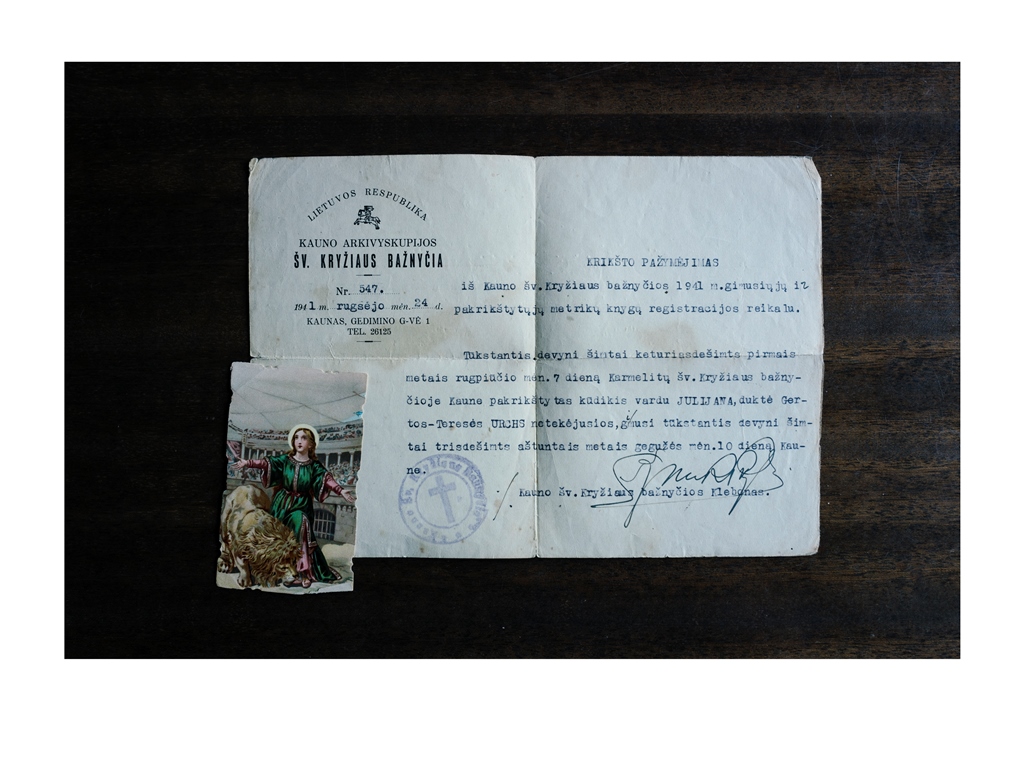
Ramybės Park. Hiding and burial place.18
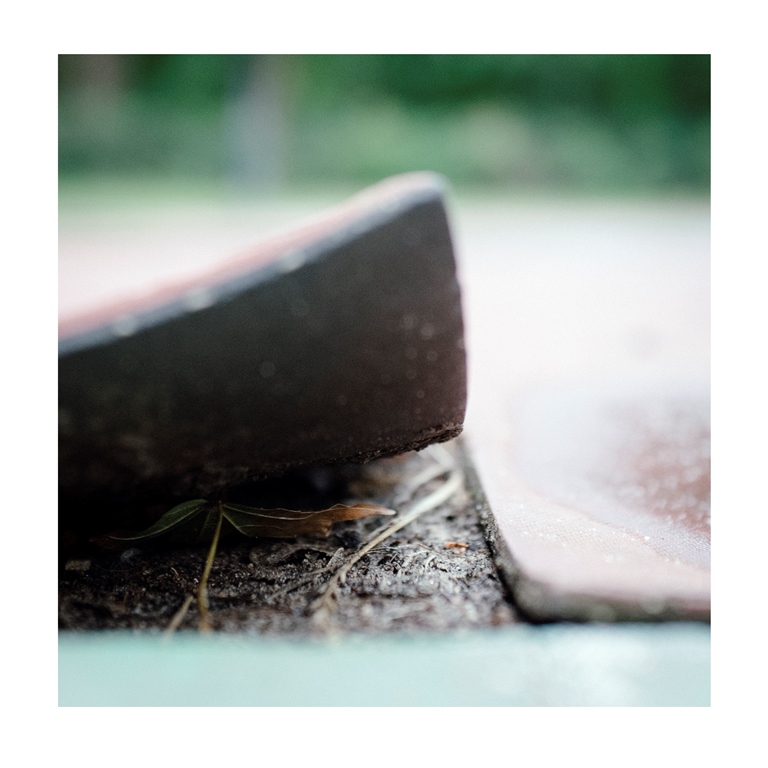
“Lietūkis” garage in Miško street19
Julijana: “In the occupied countries, there were announcements that half-Jews must go to the ghetto. My mother and grandmother were frightened from the first days when the war began. In Lithuania, Kaunas, many Jews were killed at home and on the streets. By Hiwis. We lived on Vytautas Avenue. My mother saw everything, she knew about that garage [reference to Kaunas Pogrom, a massacre of Jewish people on June 25–29, 1941 in Lietūkis garage]. Even though she did not tell me anything. They thought that the ghetto would defend me from these atrocities, from dangerous people running in the streets. Even I had to go behind the fence, it would be safer for me. They did not imagine what that ghetto was going to be like, that the cleansing would start from the very first days: elders, children, pregnant women and women in general…”
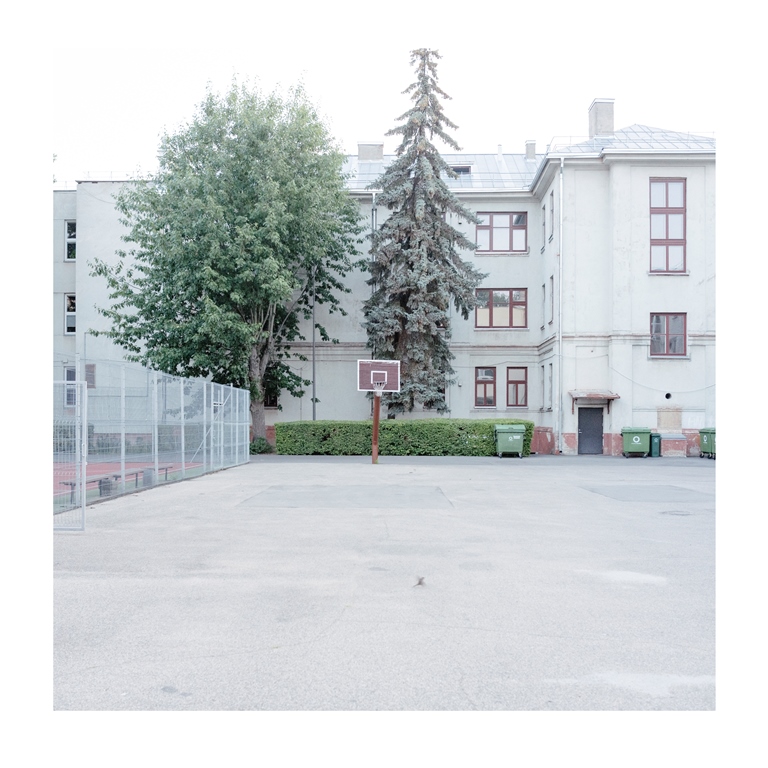
Former ghetto garden20
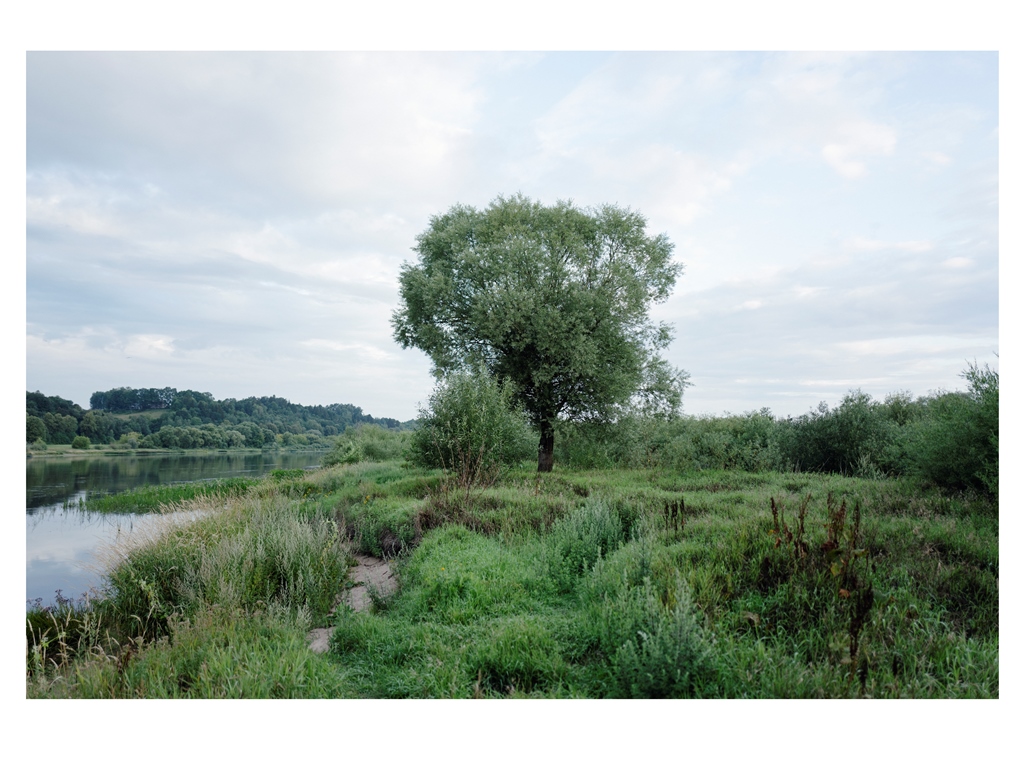
Bridge close to the ghetto 21
Julijana: “I remember being next to the fence, and someone said to me in German: “Liauf” (run). Put me through the fence and said it. Far away, on the other side of the house, in one of the entrances, I saw my mother. And started running. Very fast. My mother told me she could not believe I could run so fast.”
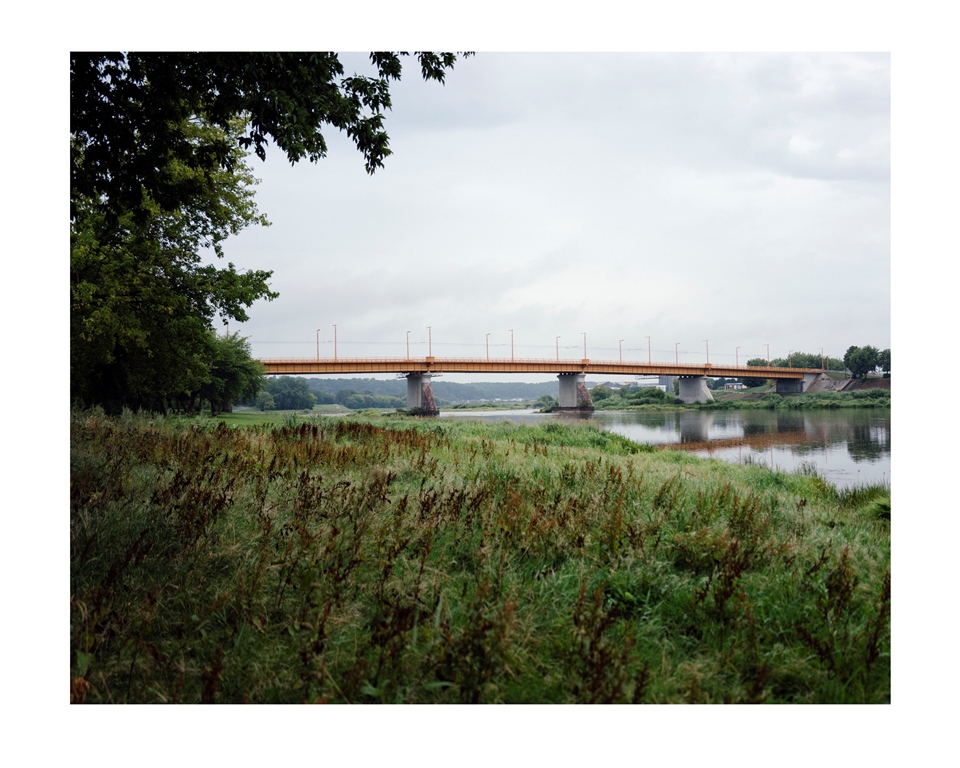
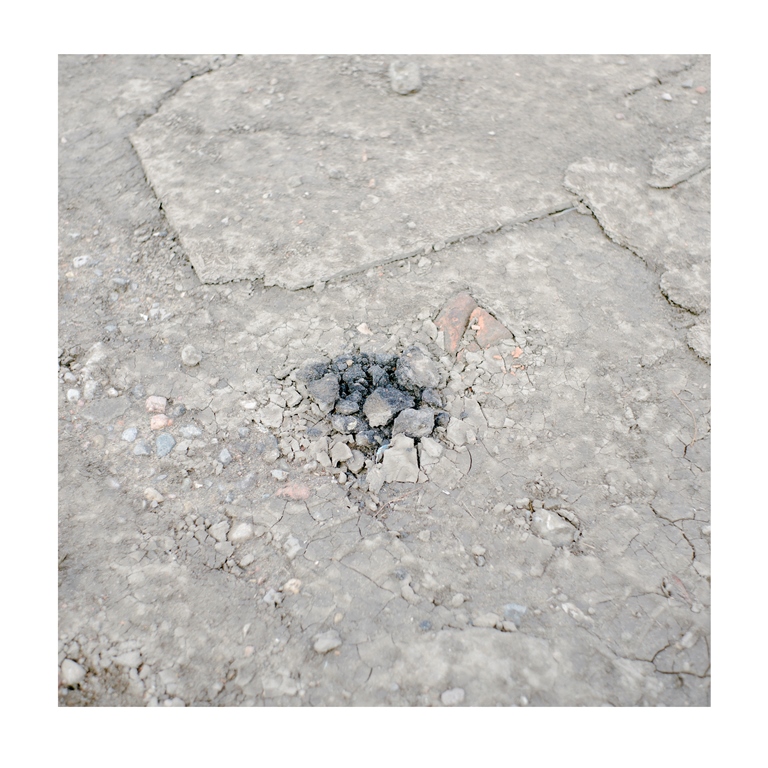
Demokratų Square. Site of The Big Action.22
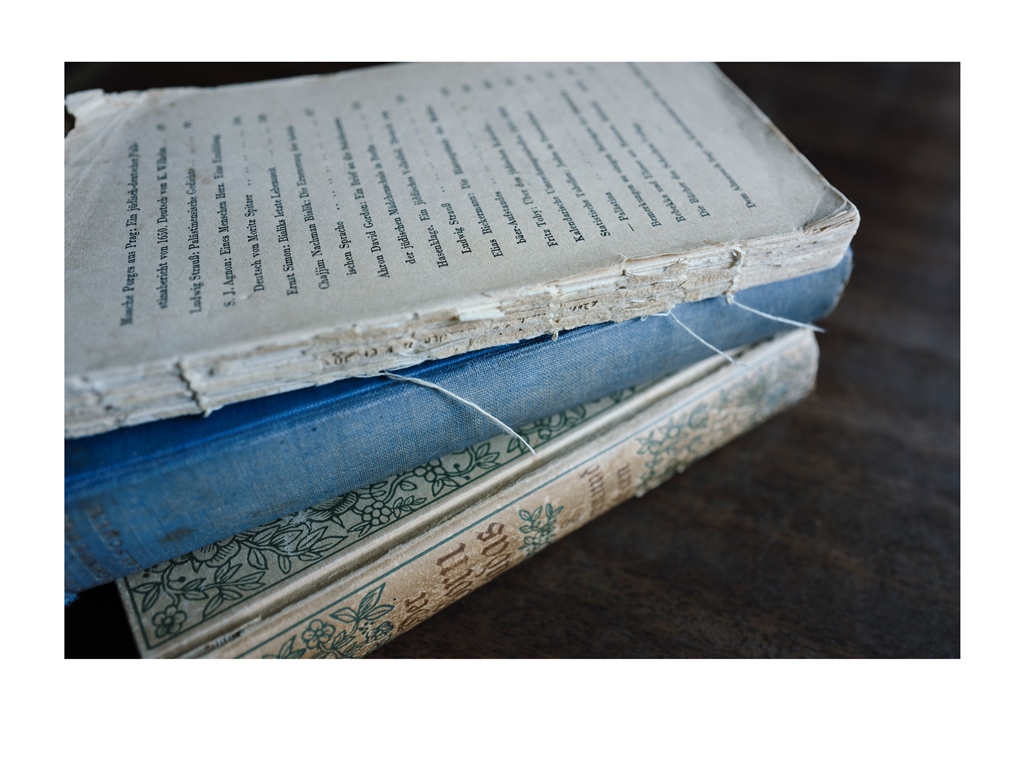
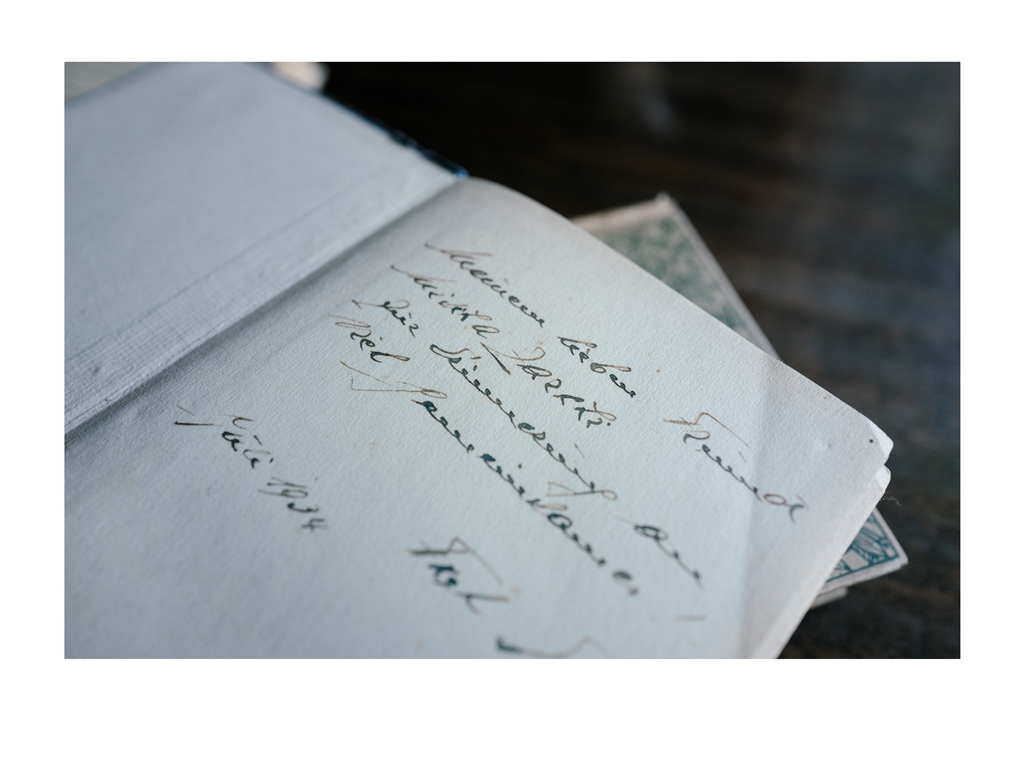
These books saved our lives23
Julijana: “We were going back from hidings in Kulautuva to Kaunas. Soviet army was checking all the bridges. There were some refugees, who did not manage to escape so they were returning. And here, a German woman who only speaks German, with a carriage – full of valuable things, watches, some of them belonged to Fraukon – a wife of a banker from Berlin,we were hiding together. And, my fathers’ books with his surname Zarchi Mauša. Solders opened the bag and said: “You’ve stole saved valuable things, wanted to escape, but didn’t manage.” They started to interrogate her. She did not speak Russian, so they’ve invited a man to translate, and he appeared to be a Jew. He instantly got angry. He accidentally appeared to be my fathers’ co-worker from the Jewish newspaper. Solders put everything back and gave her a note, in order to pass other bridges. It was a miracle.”
Deportation to Tajikistan24
Julijana: “First of all, we were carried northwards. And then, at some point, back. They decided to bring us to Tajikistan, where they irrigated fields. Cotton was the white gold in the Soviet Union. They needed labor force very much. By the way, we were at the wagon in May, when the war finished. It became warmer, children became more interested, because they saw camels and mountains. It was very beautiful, when you think of it…”