
MAGIC MIRROR: CITY MEMORY IN PHOTOS
Chinese magic mirror is an ancient form of art, when one side of a bronze plate is polished so much that it becomes a mirror, and the other one is carved. When bright sunlight or other bright light reflects onto the mirror, it seems to become transparent, and if that light is reflected from the […]
Read moreMAGIC MIRROR: CITY MEMORY IN PHOTOS
Chinese magic mirror is an ancient form of art, when one side of a bronze plate is polished so much that it becomes a mirror, and the other one is carved. When bright sunlight or other bright light reflects onto the mirror, it seems to become transparent, and if that light is reflected from the […]
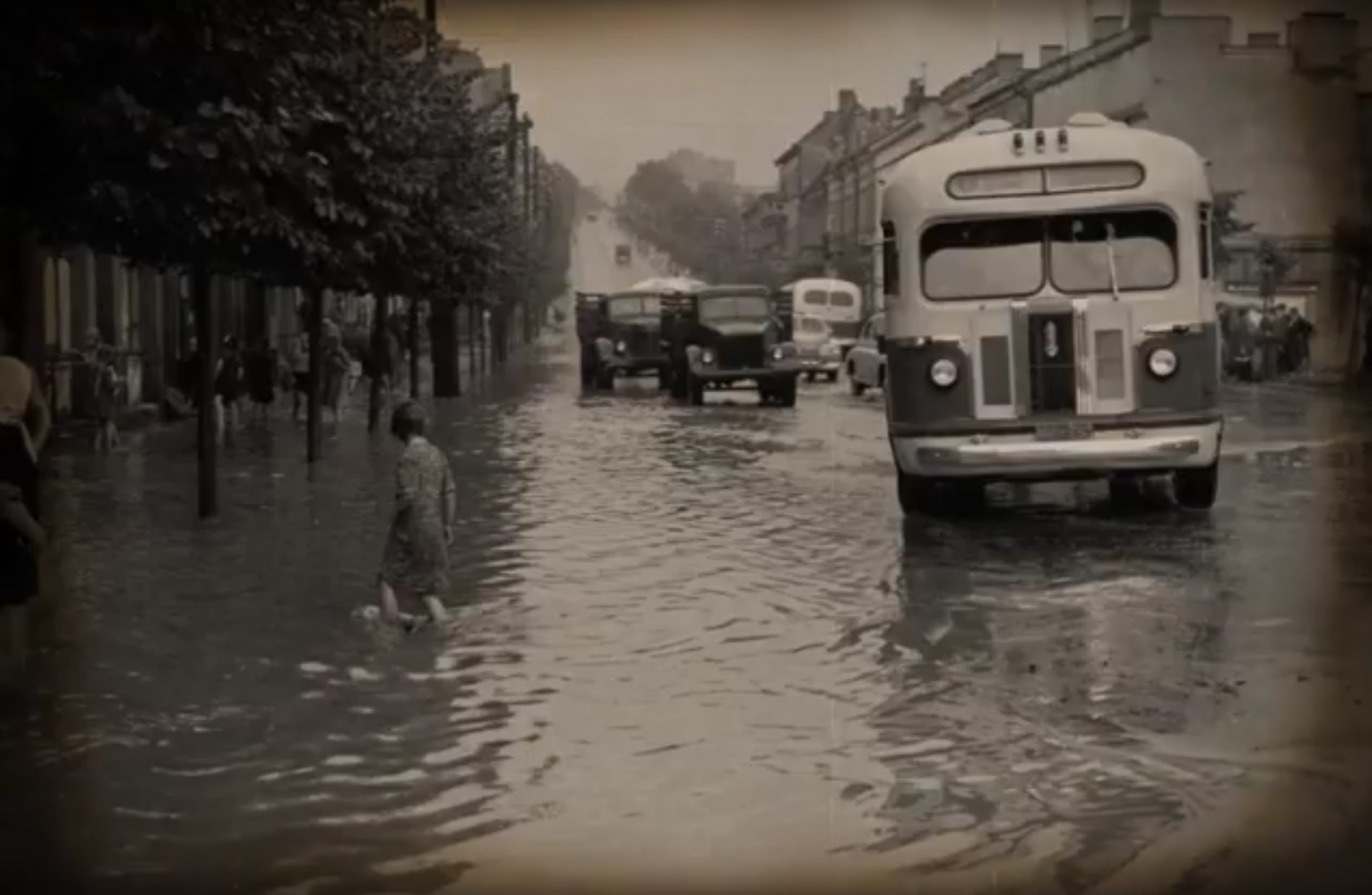
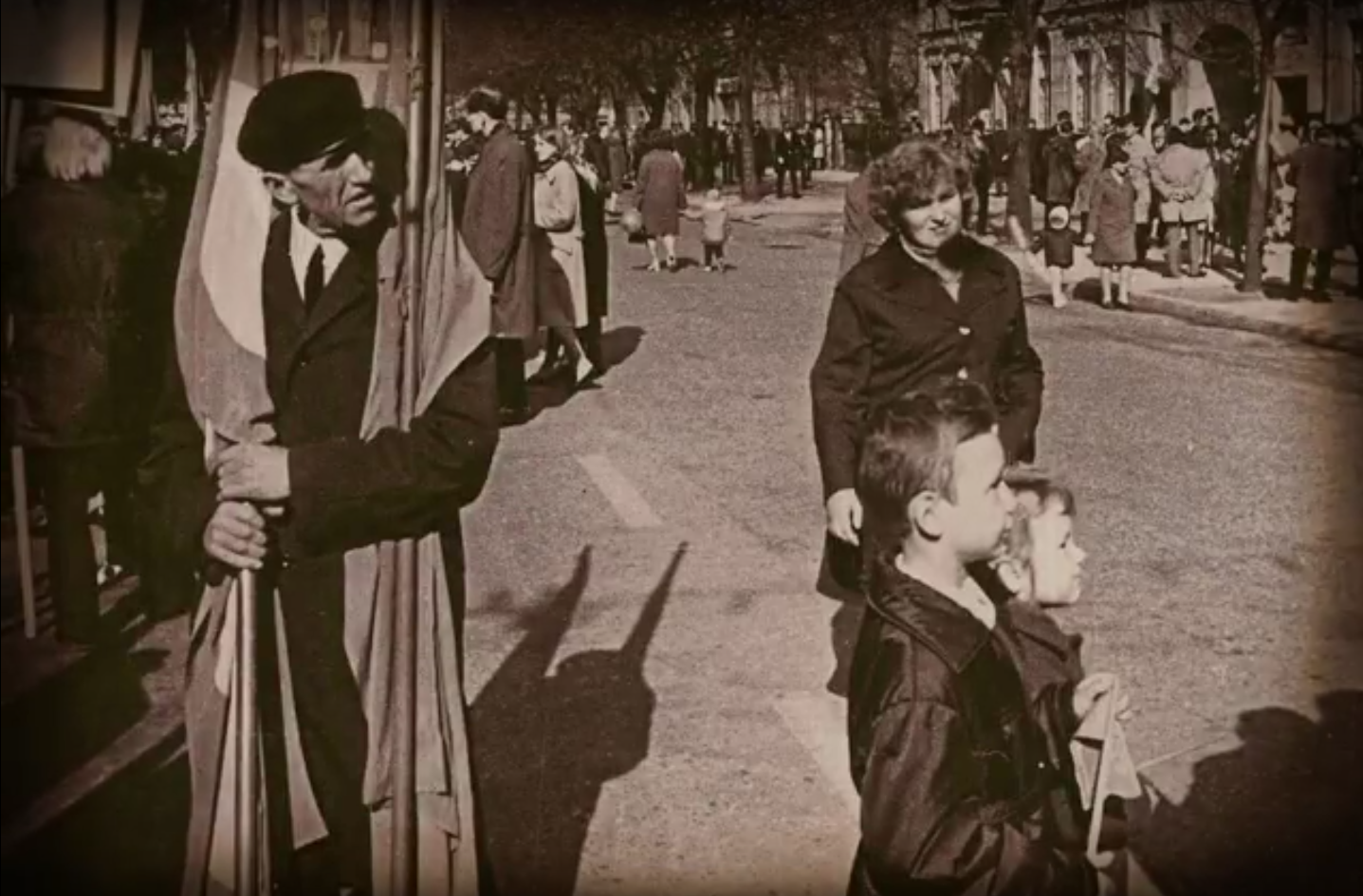
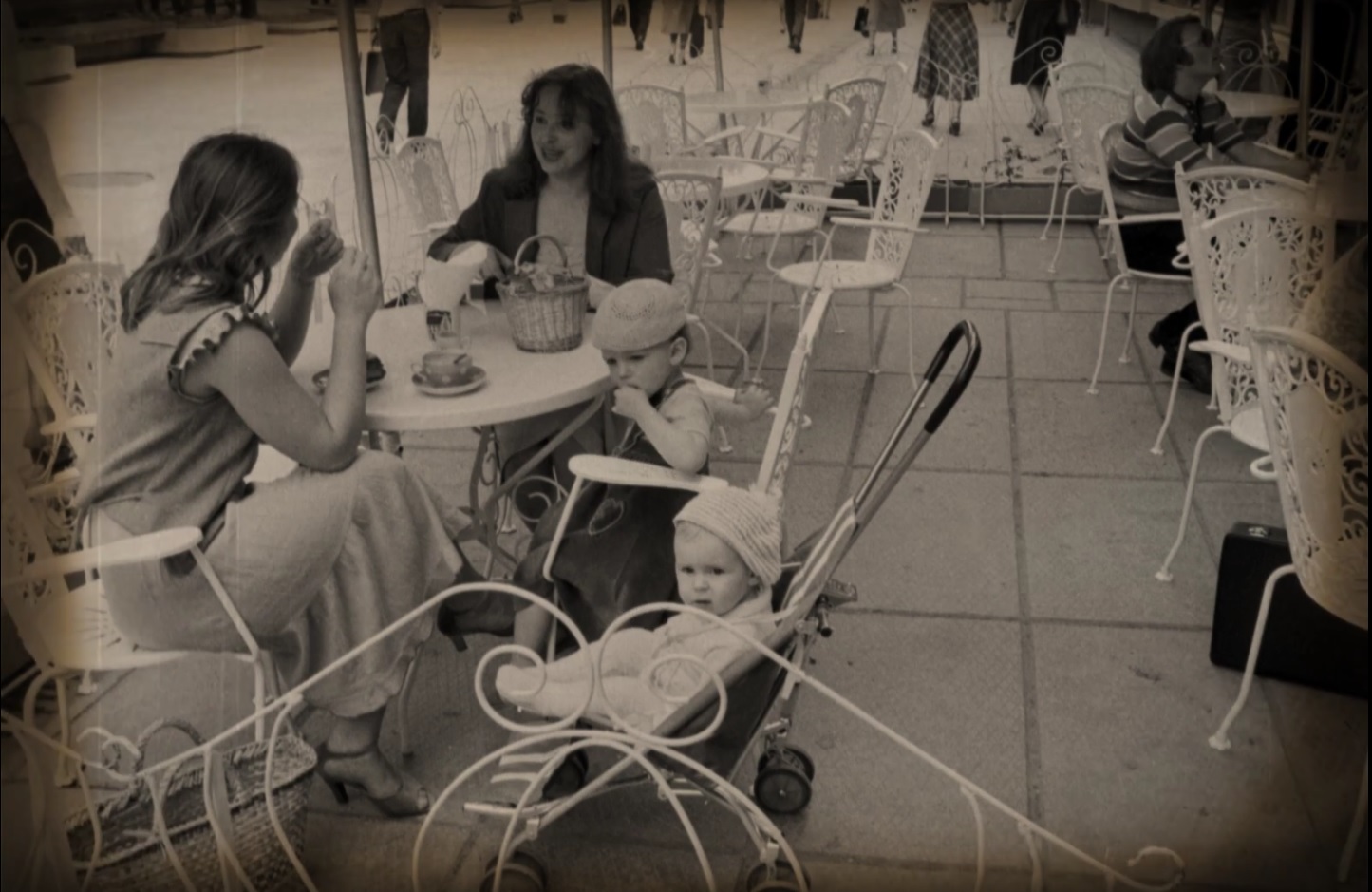
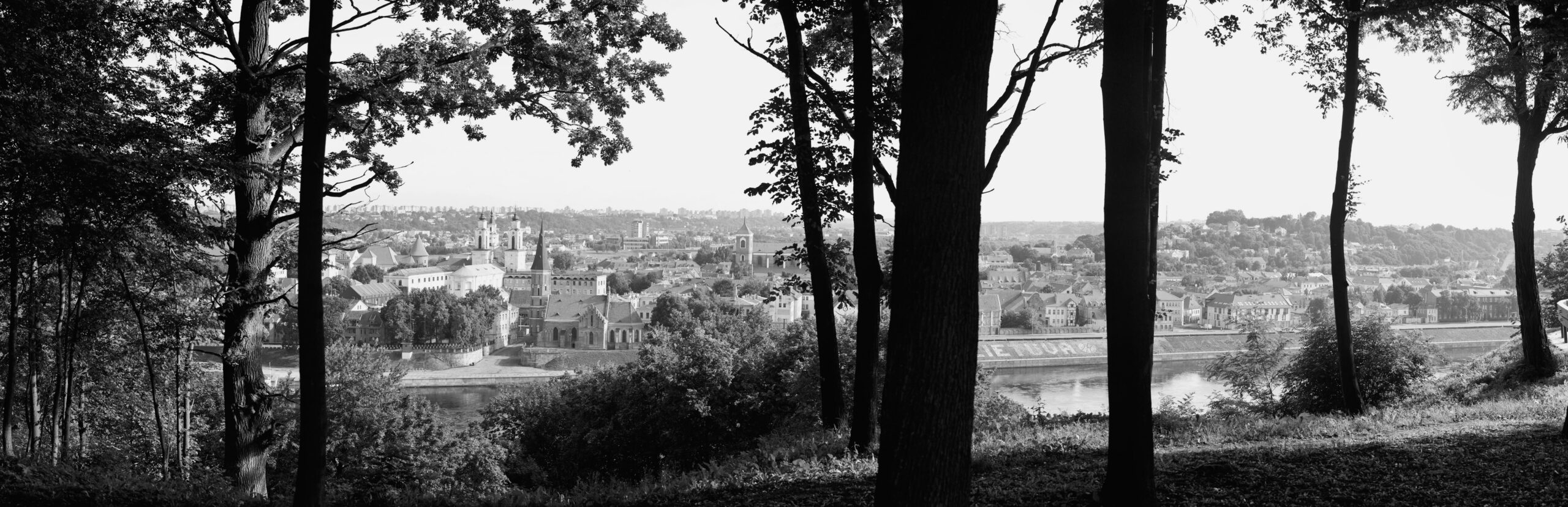
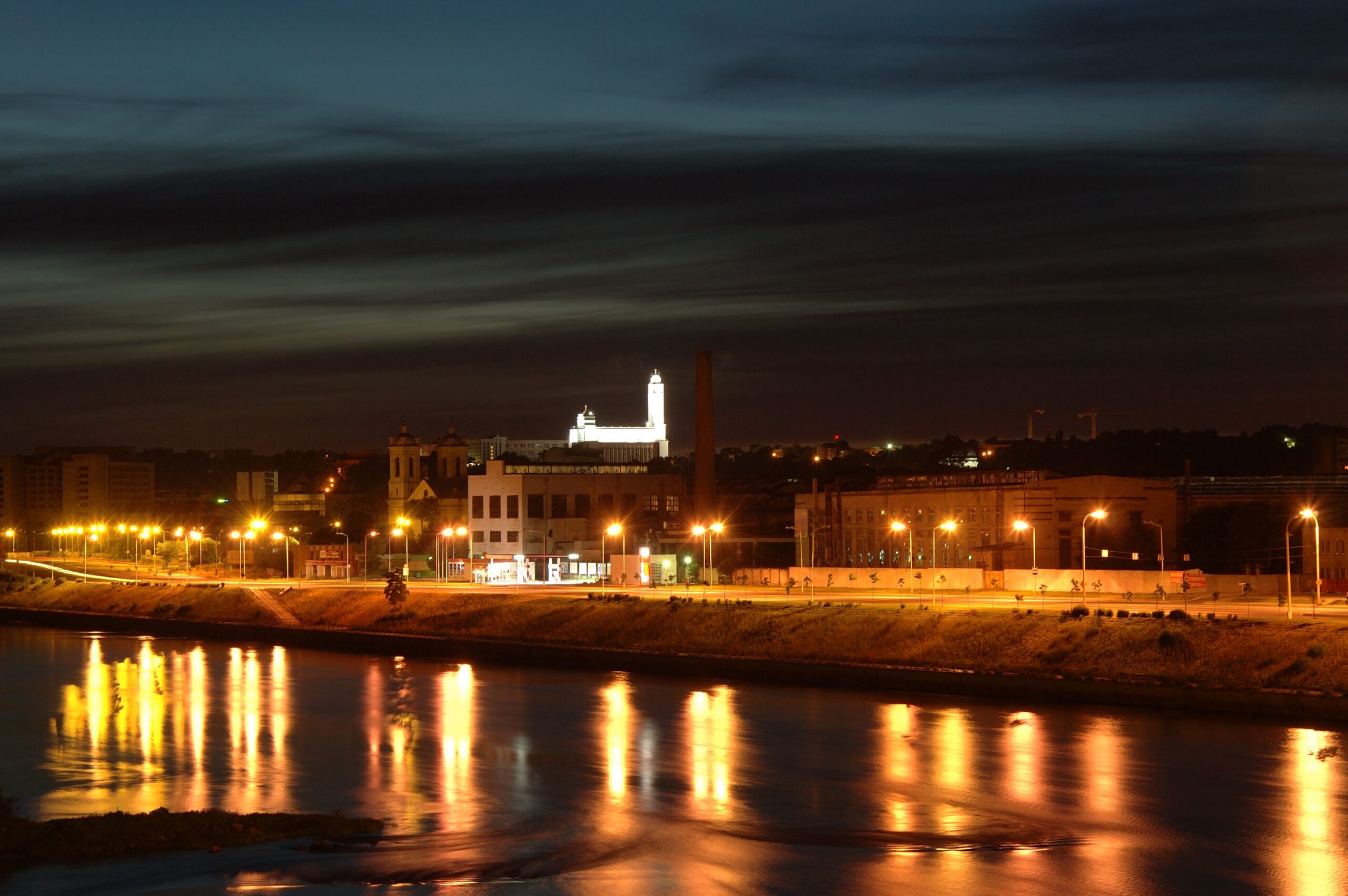
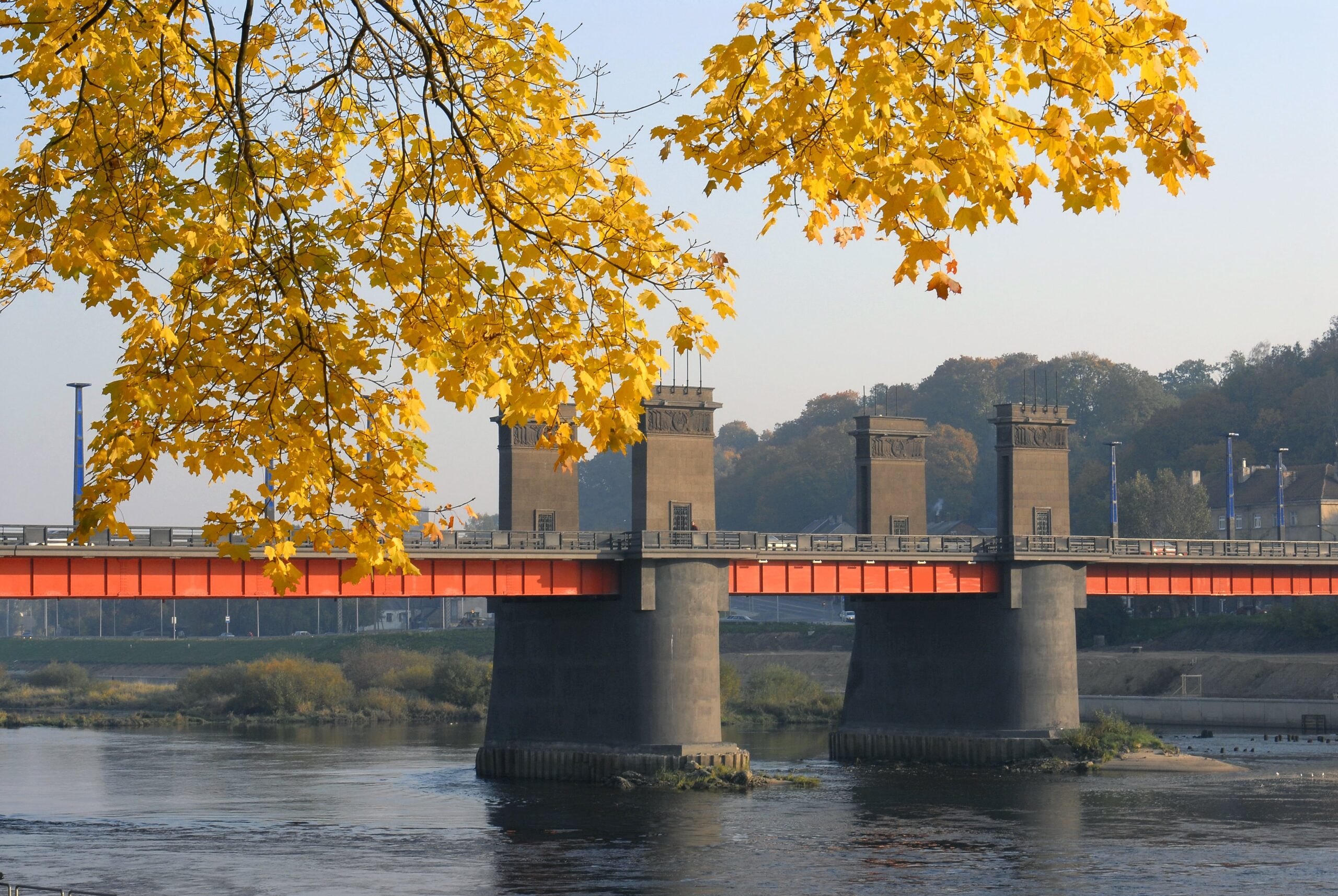
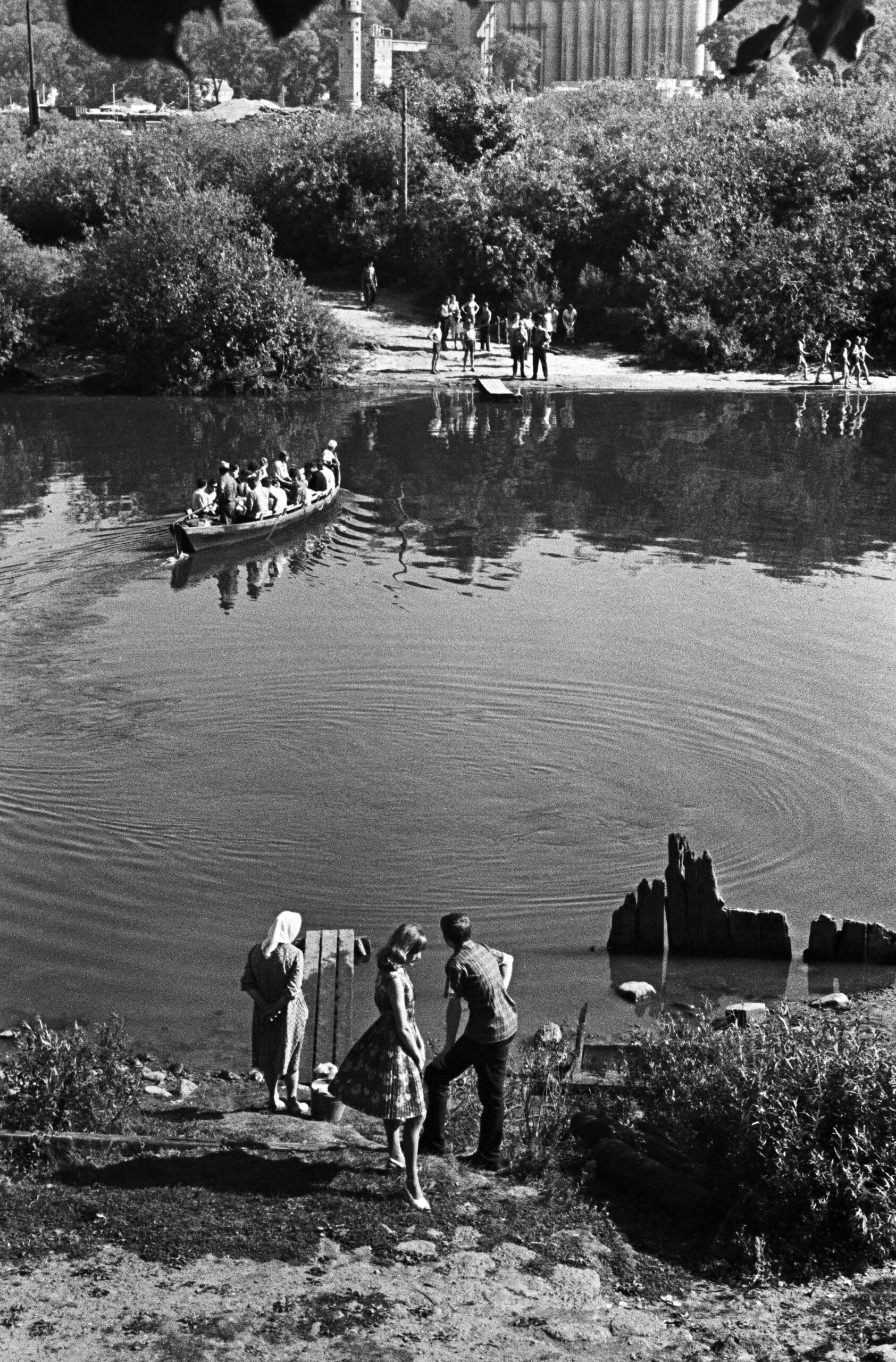
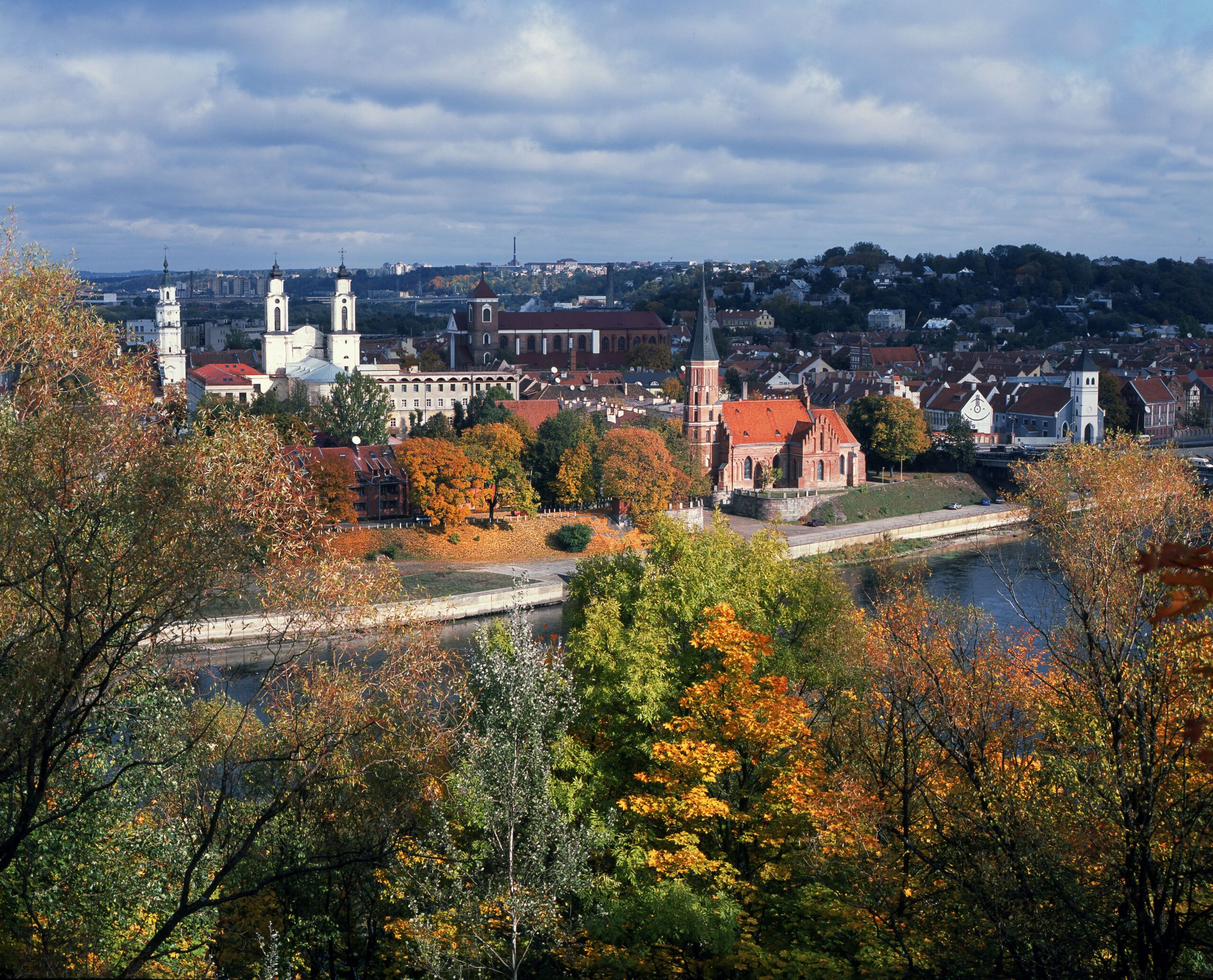
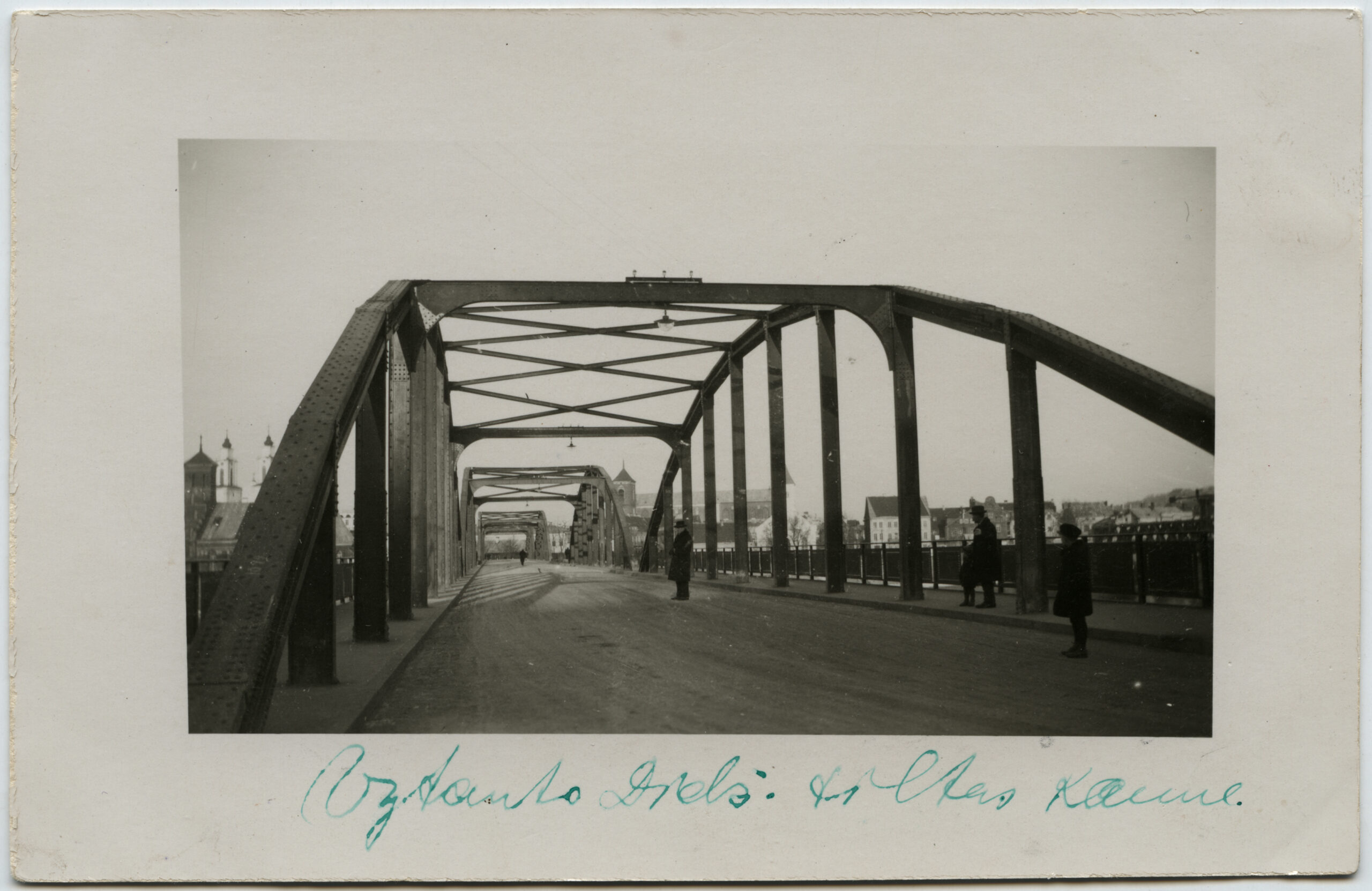
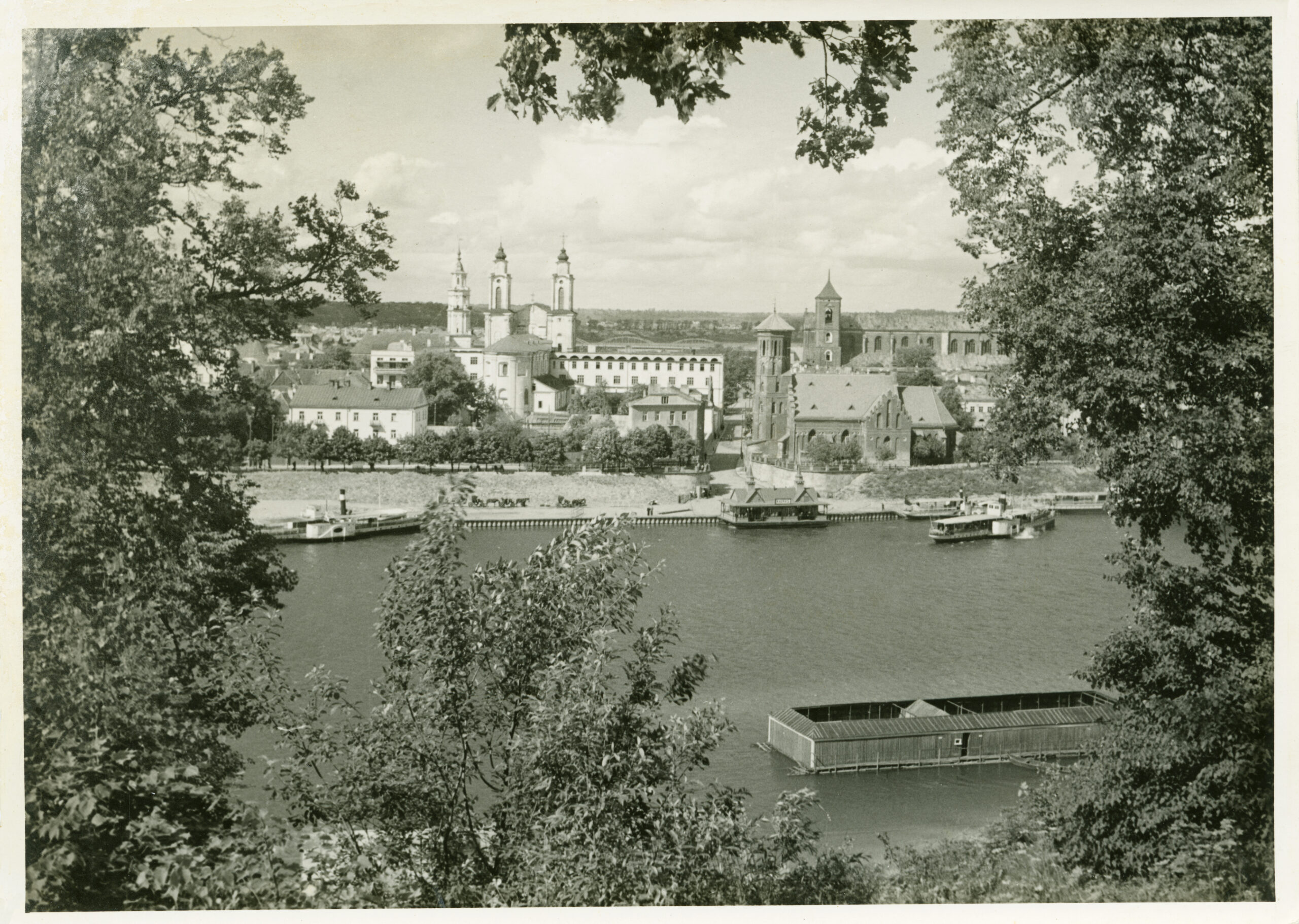
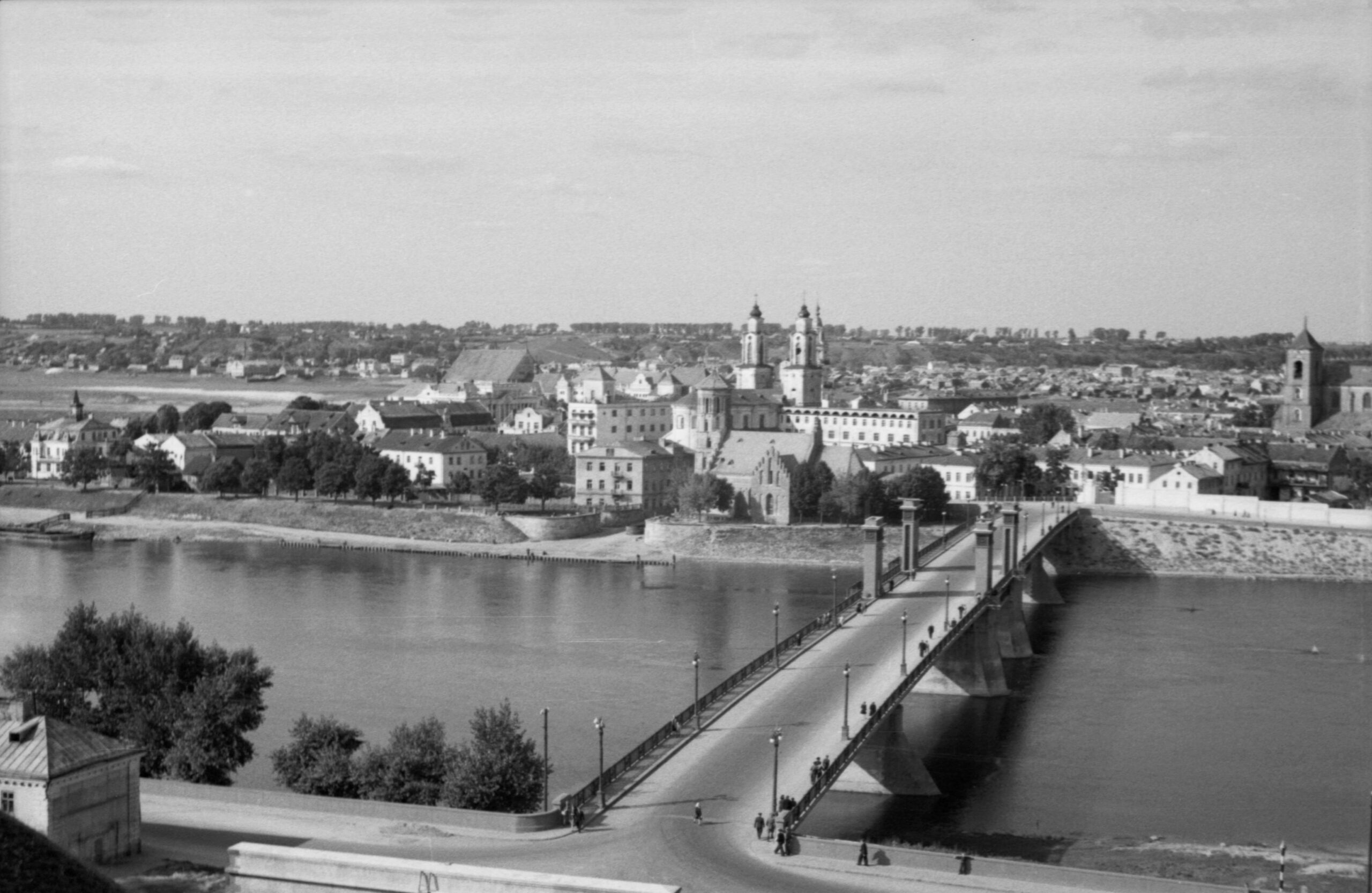
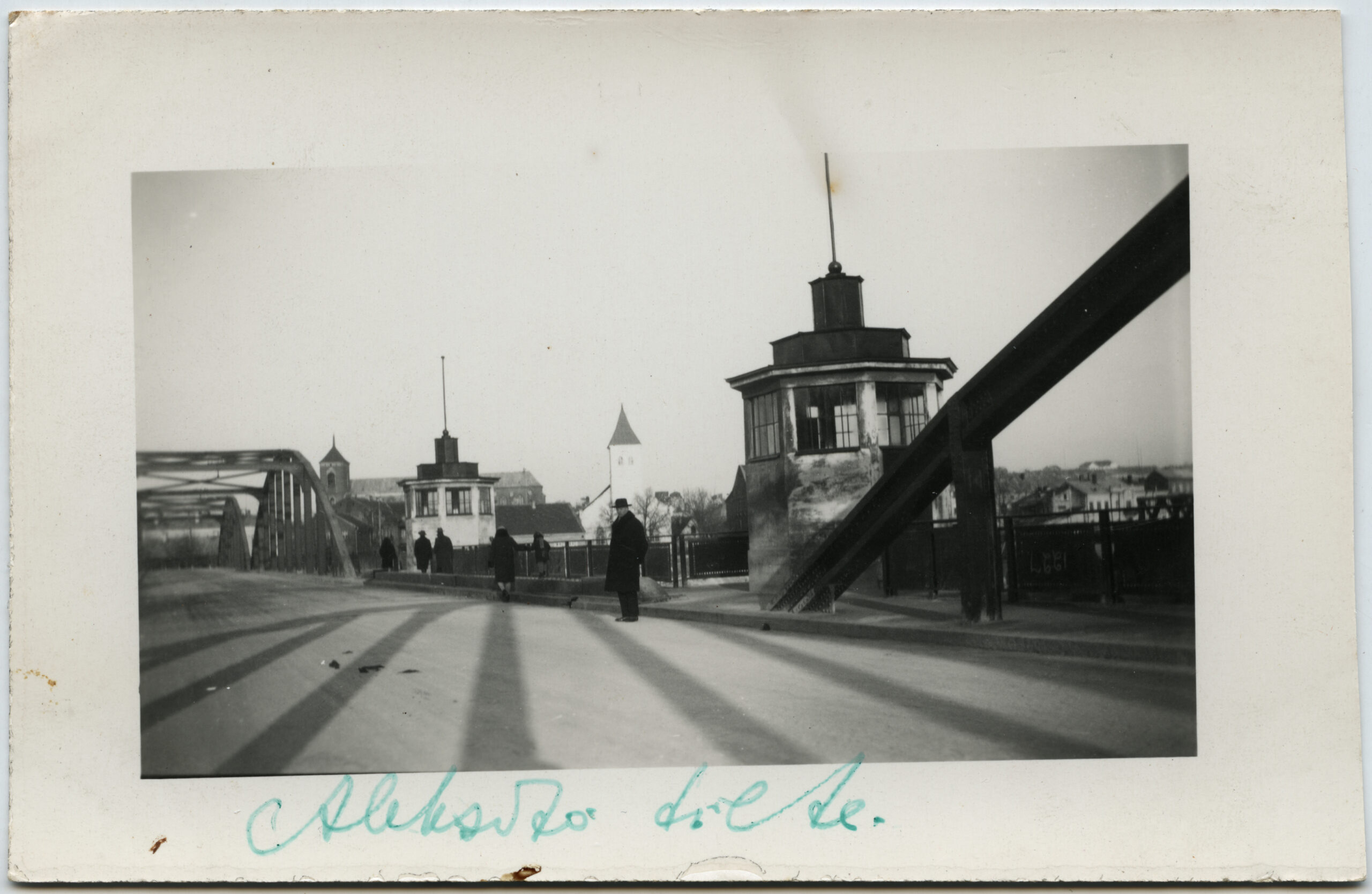
Landscape of Aleksotas / River1
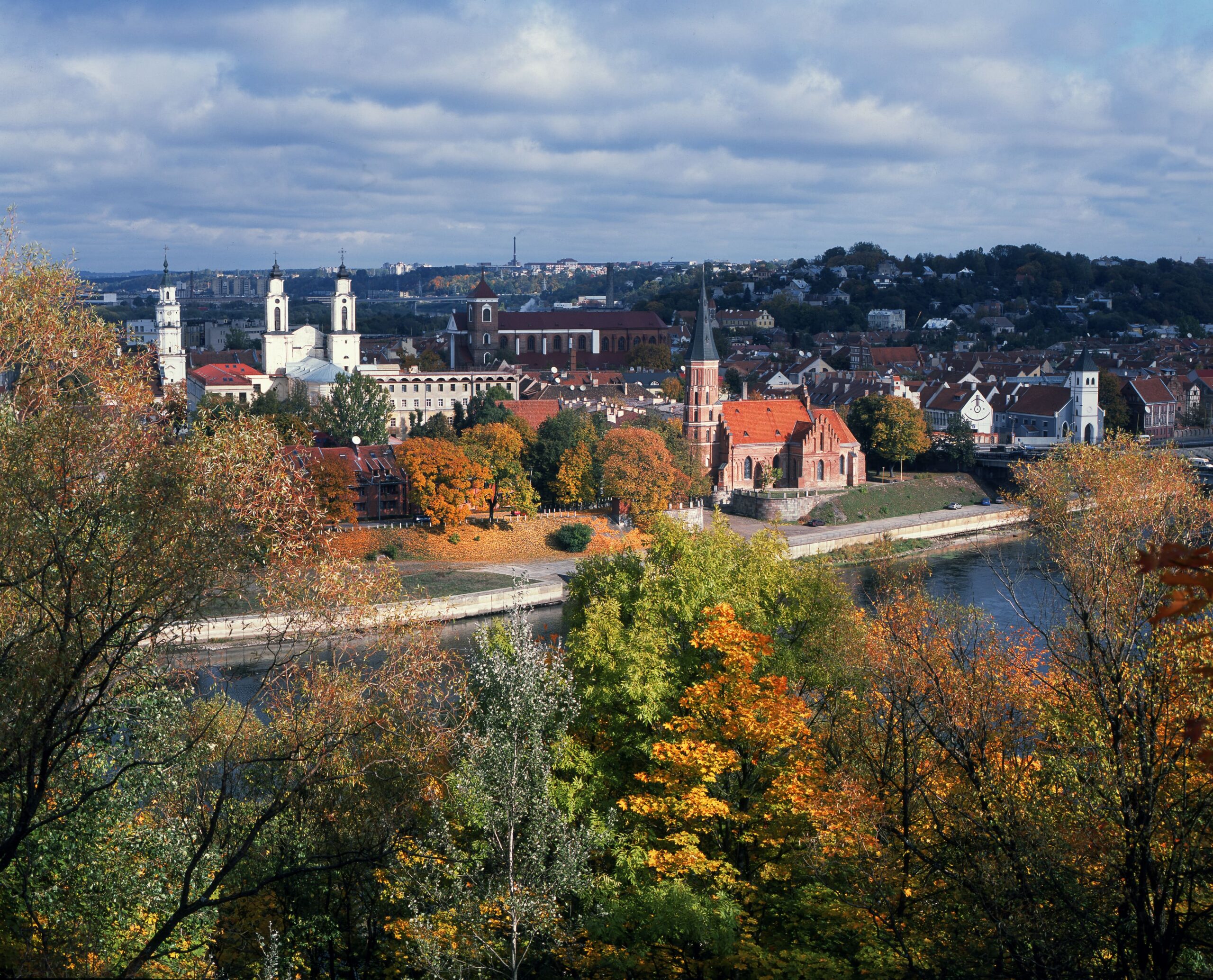
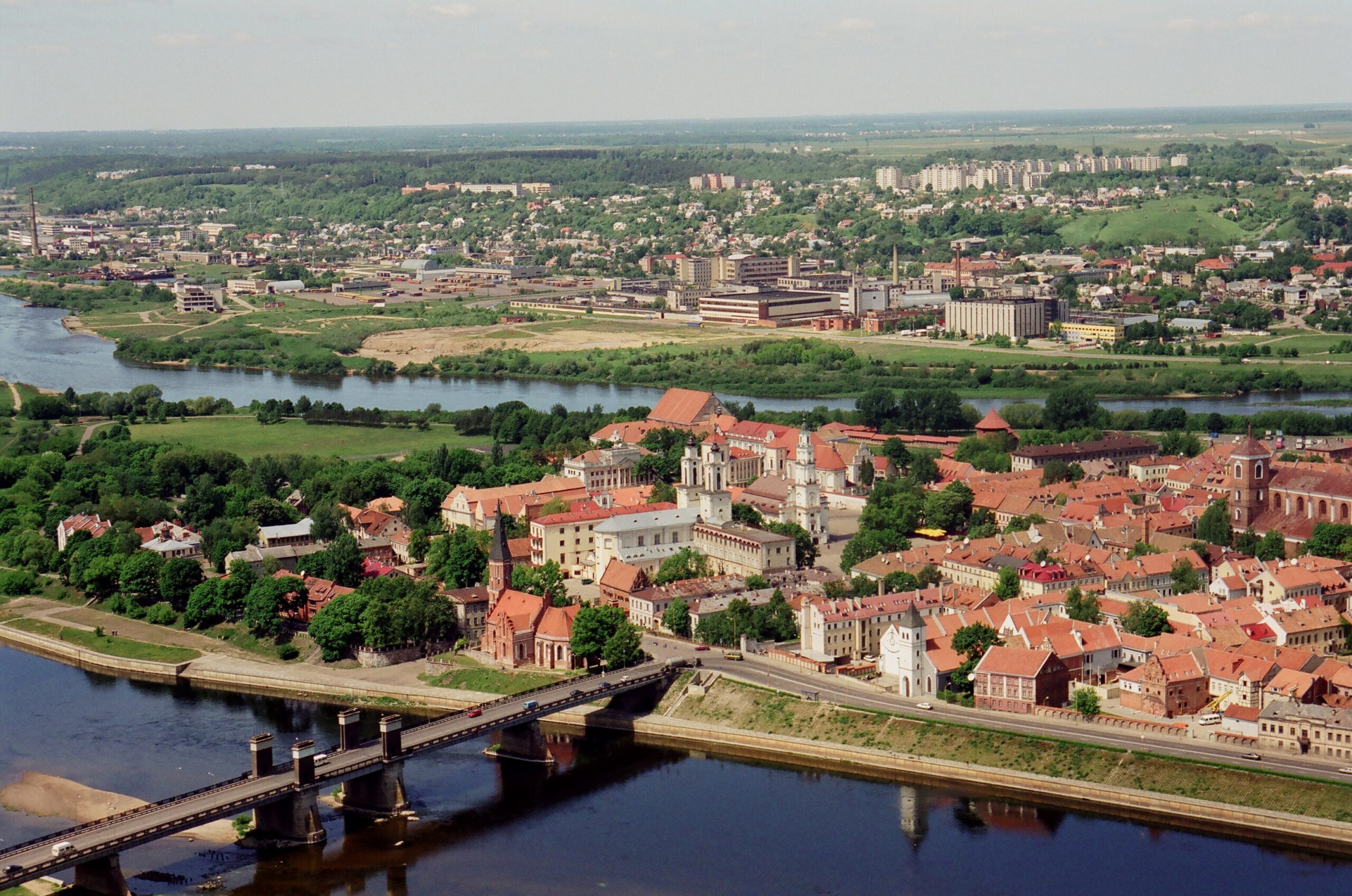
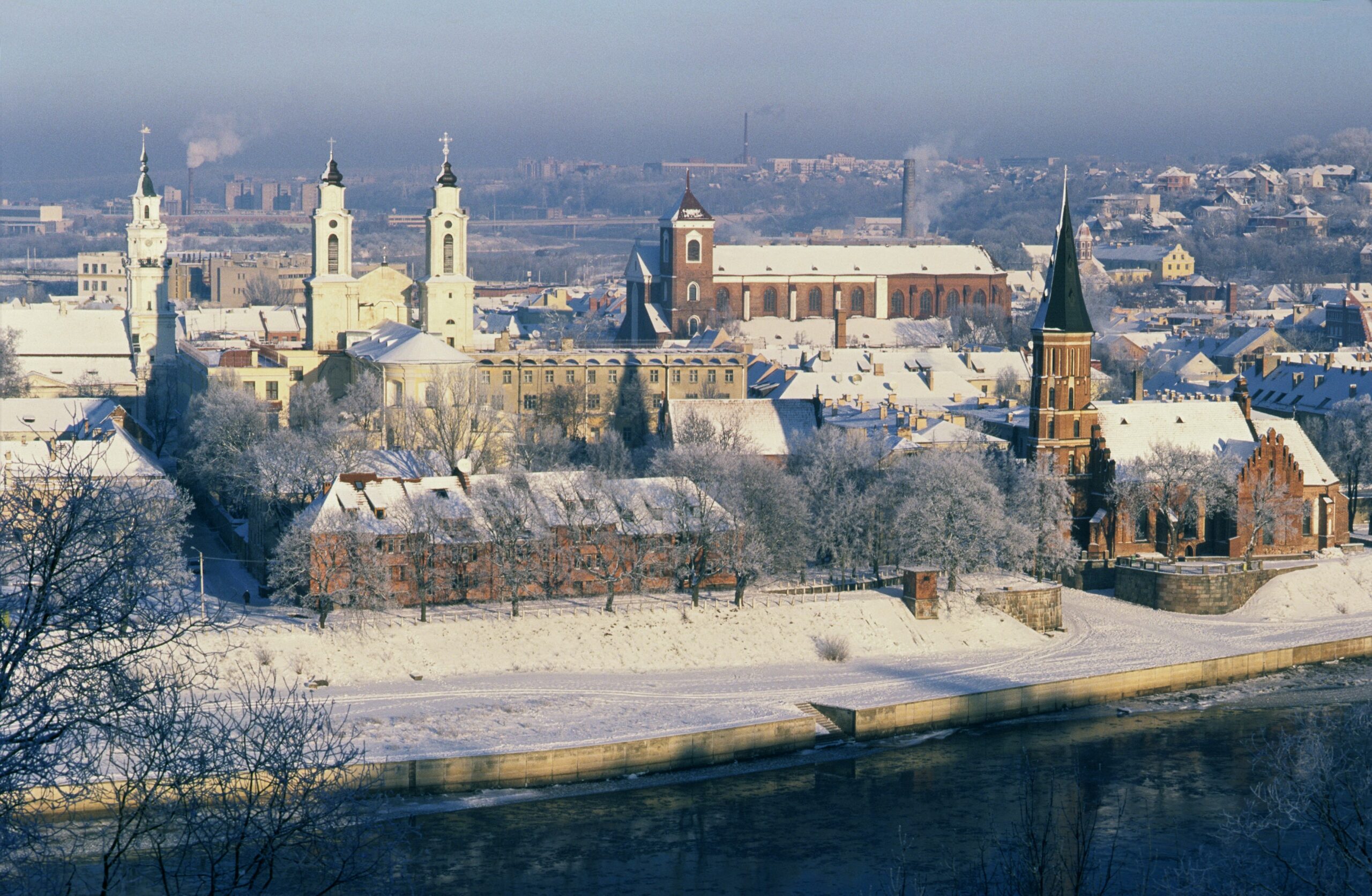
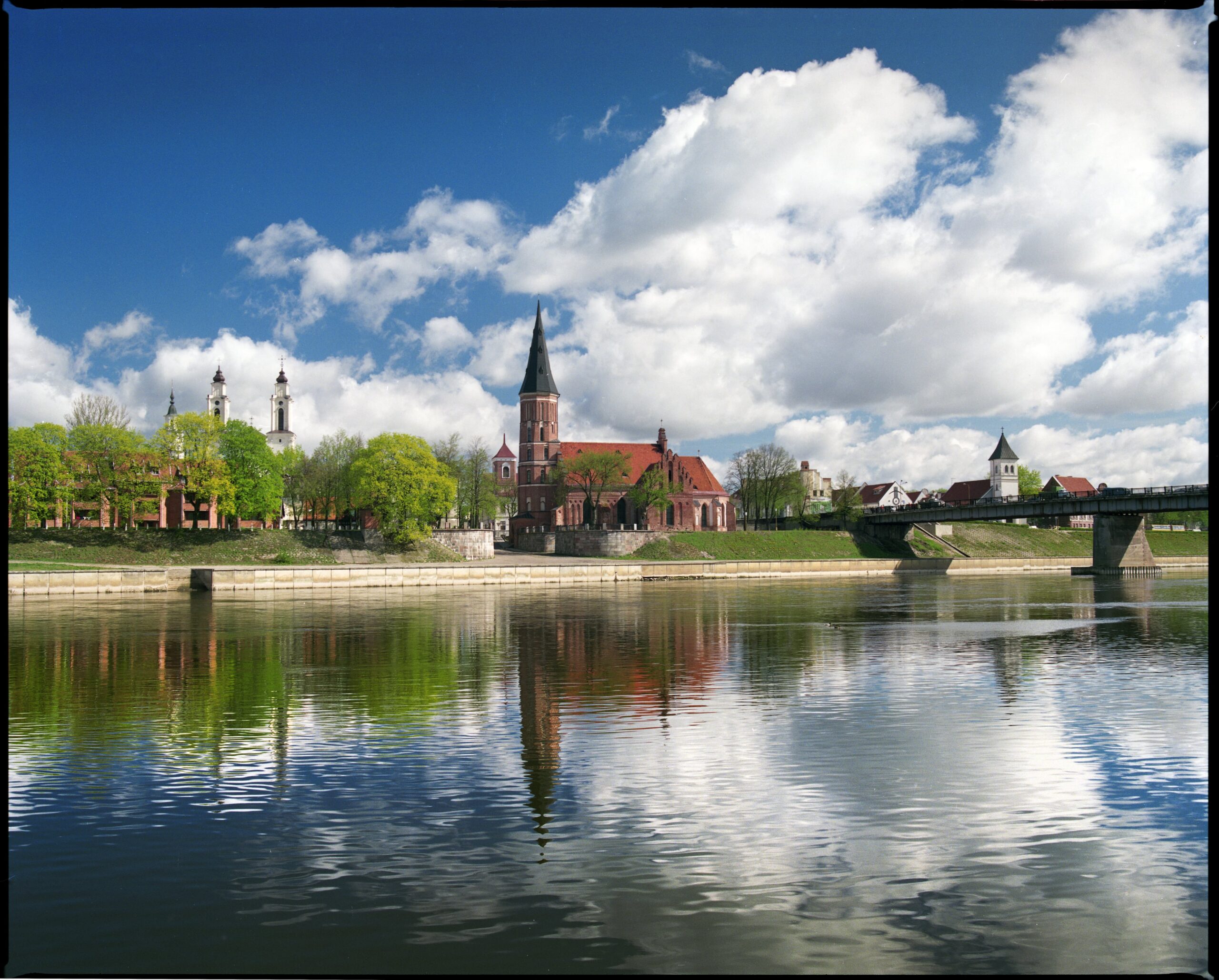
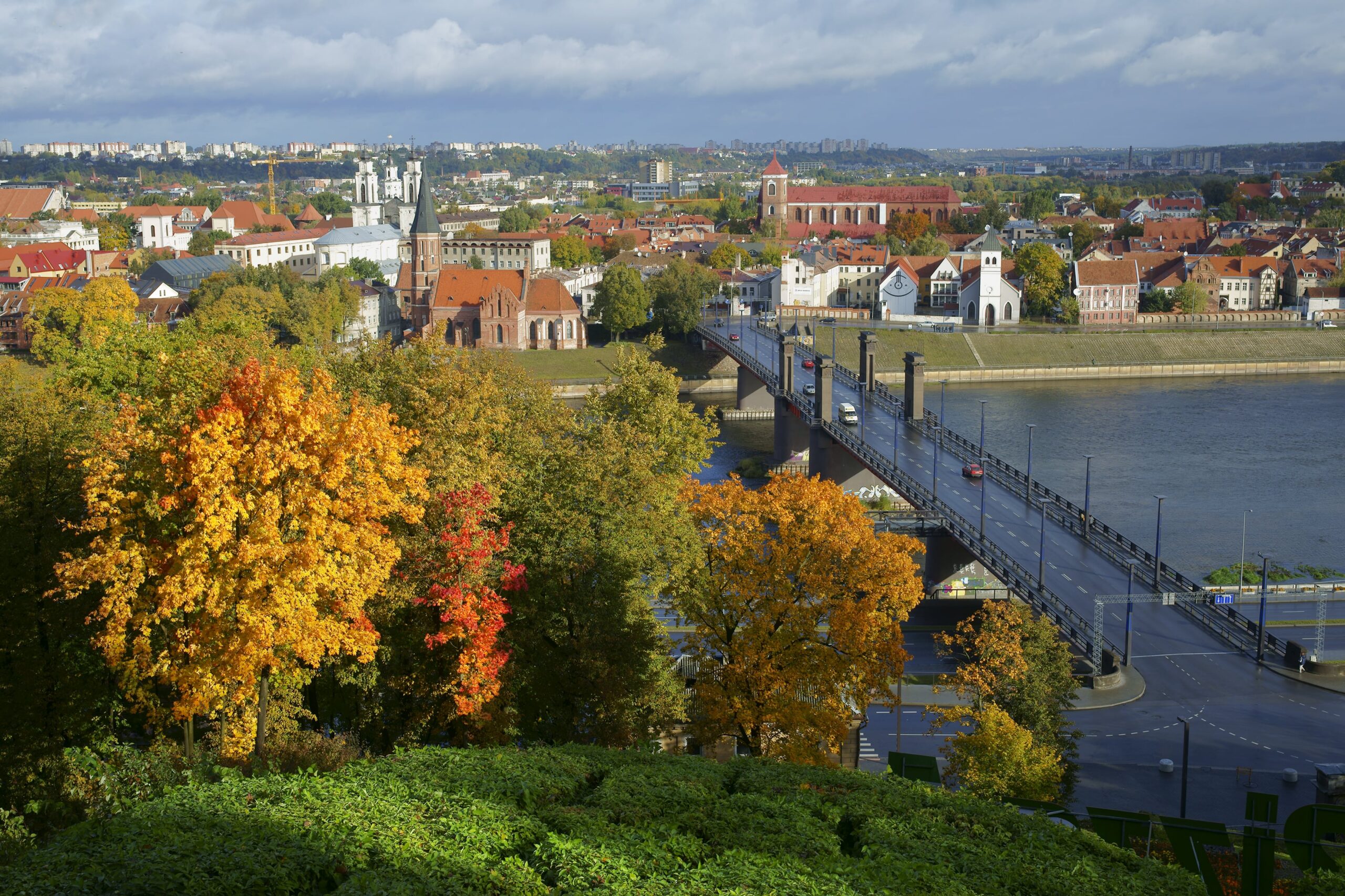
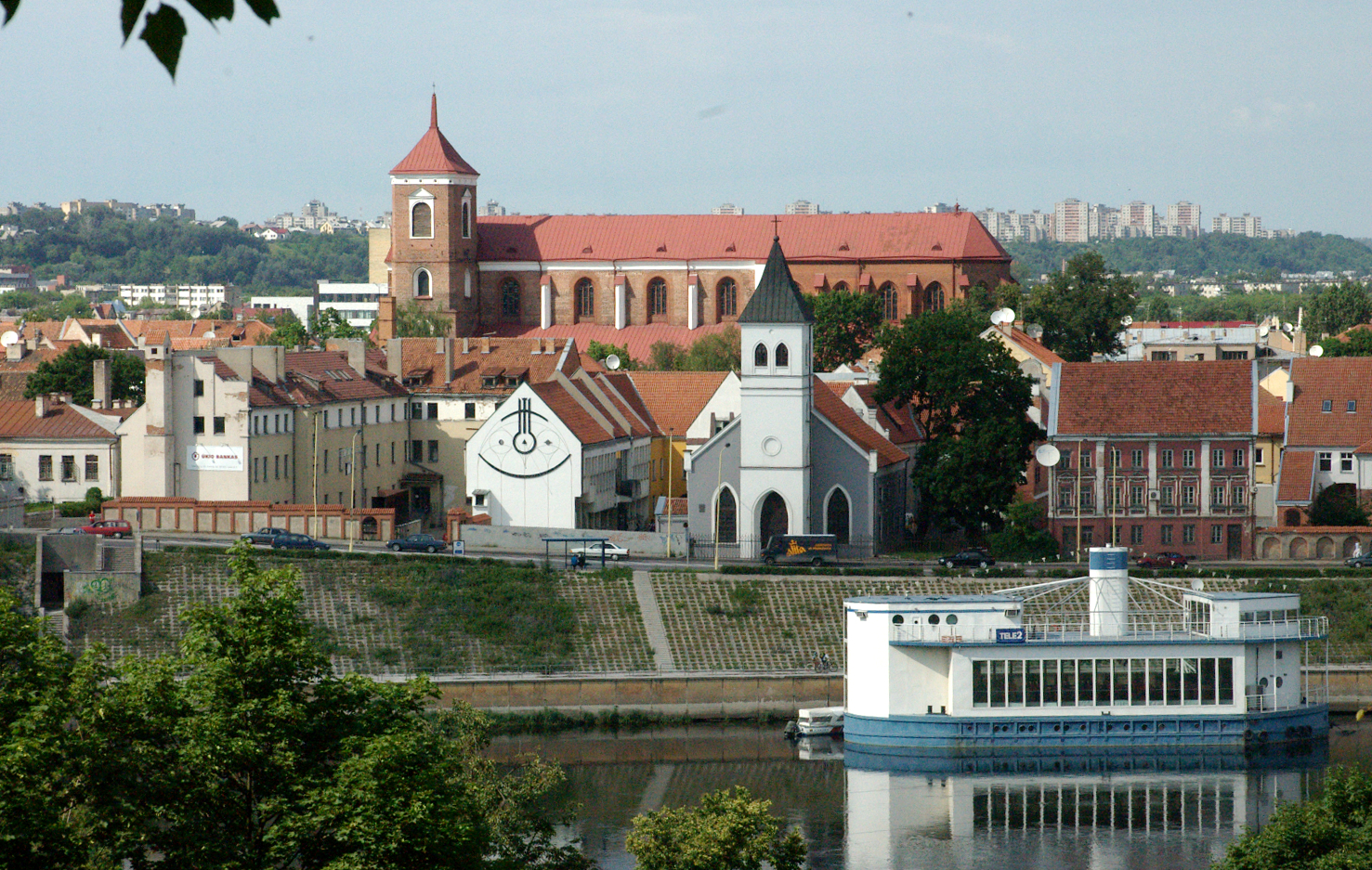
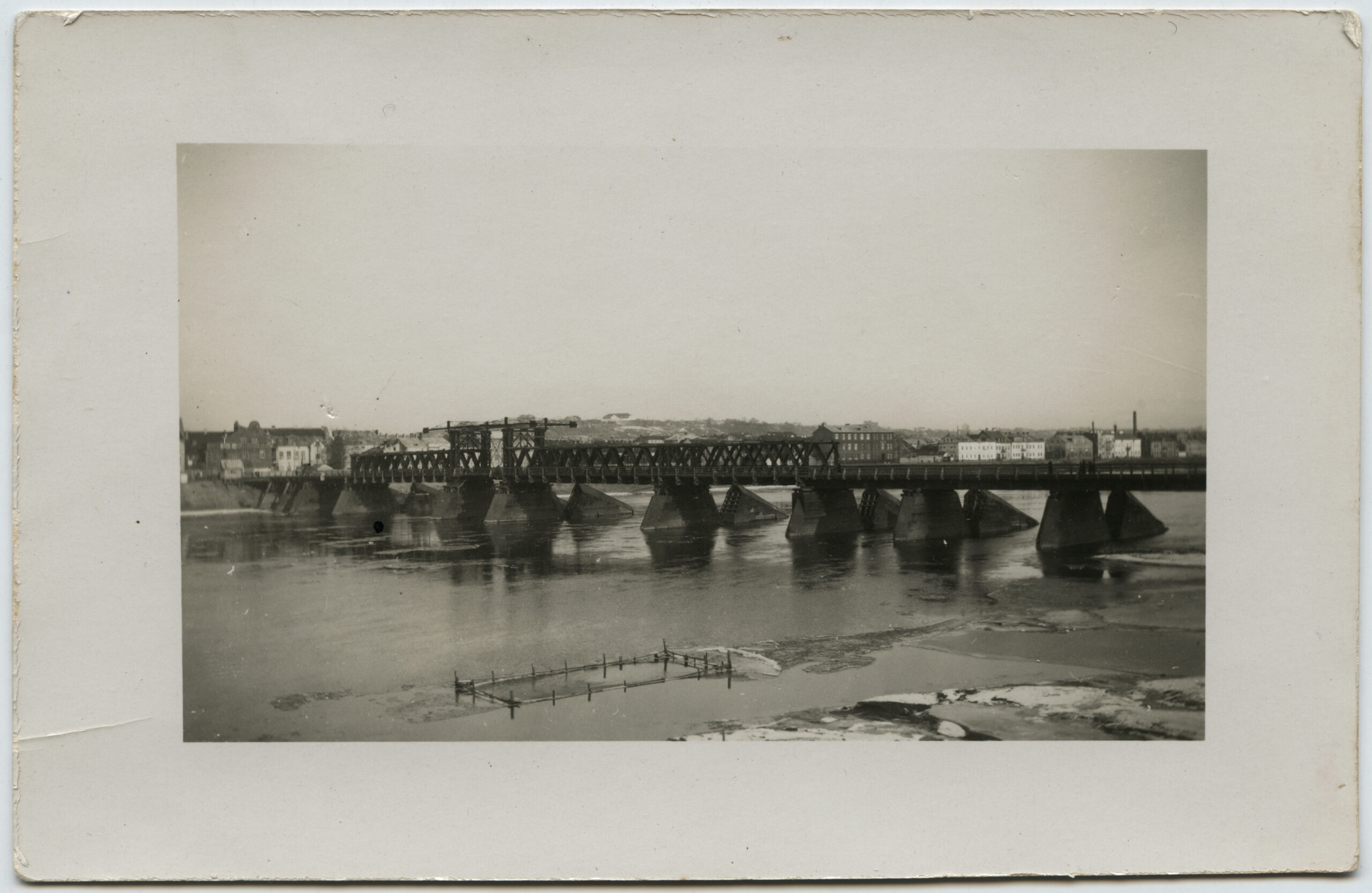
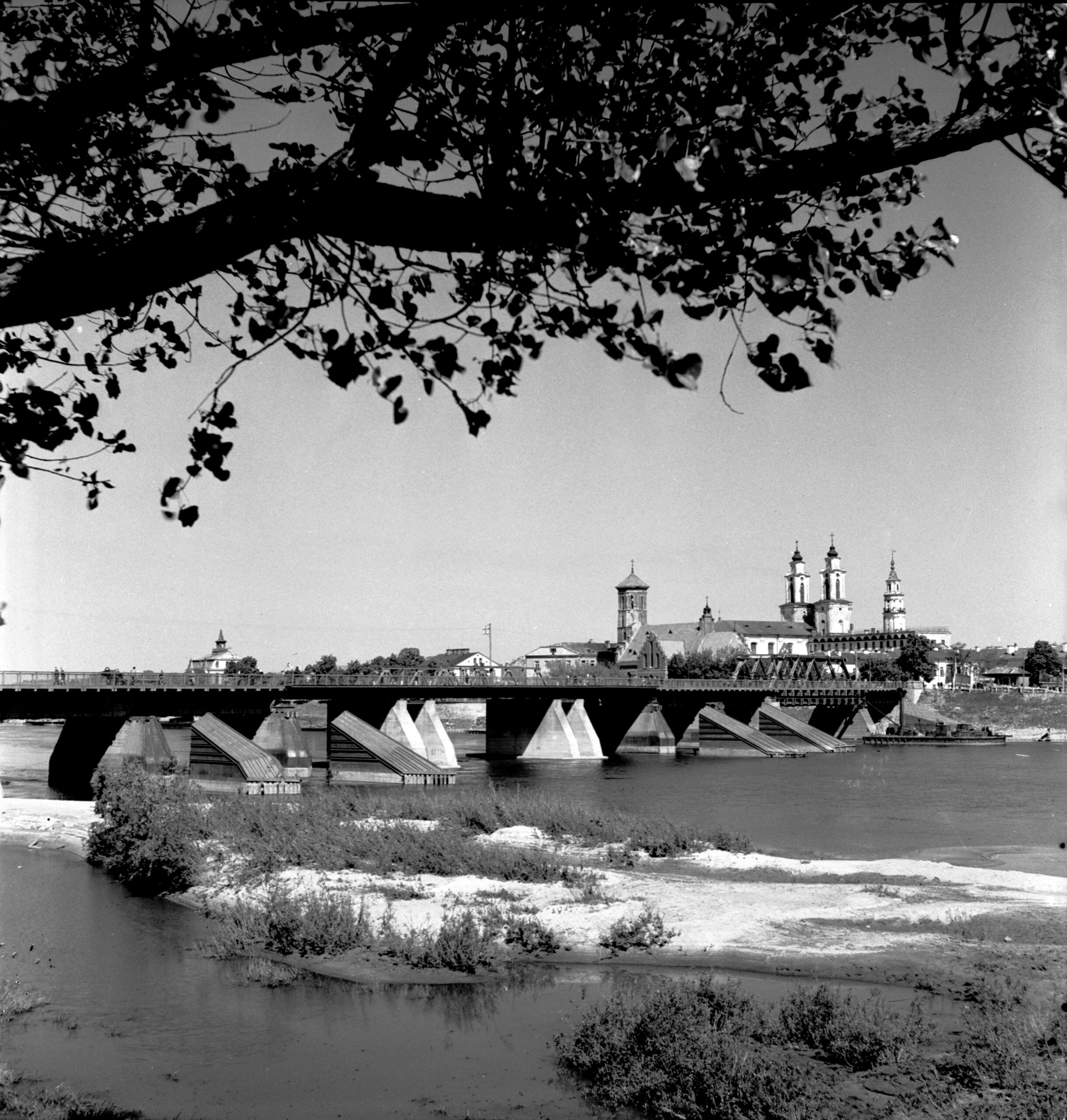
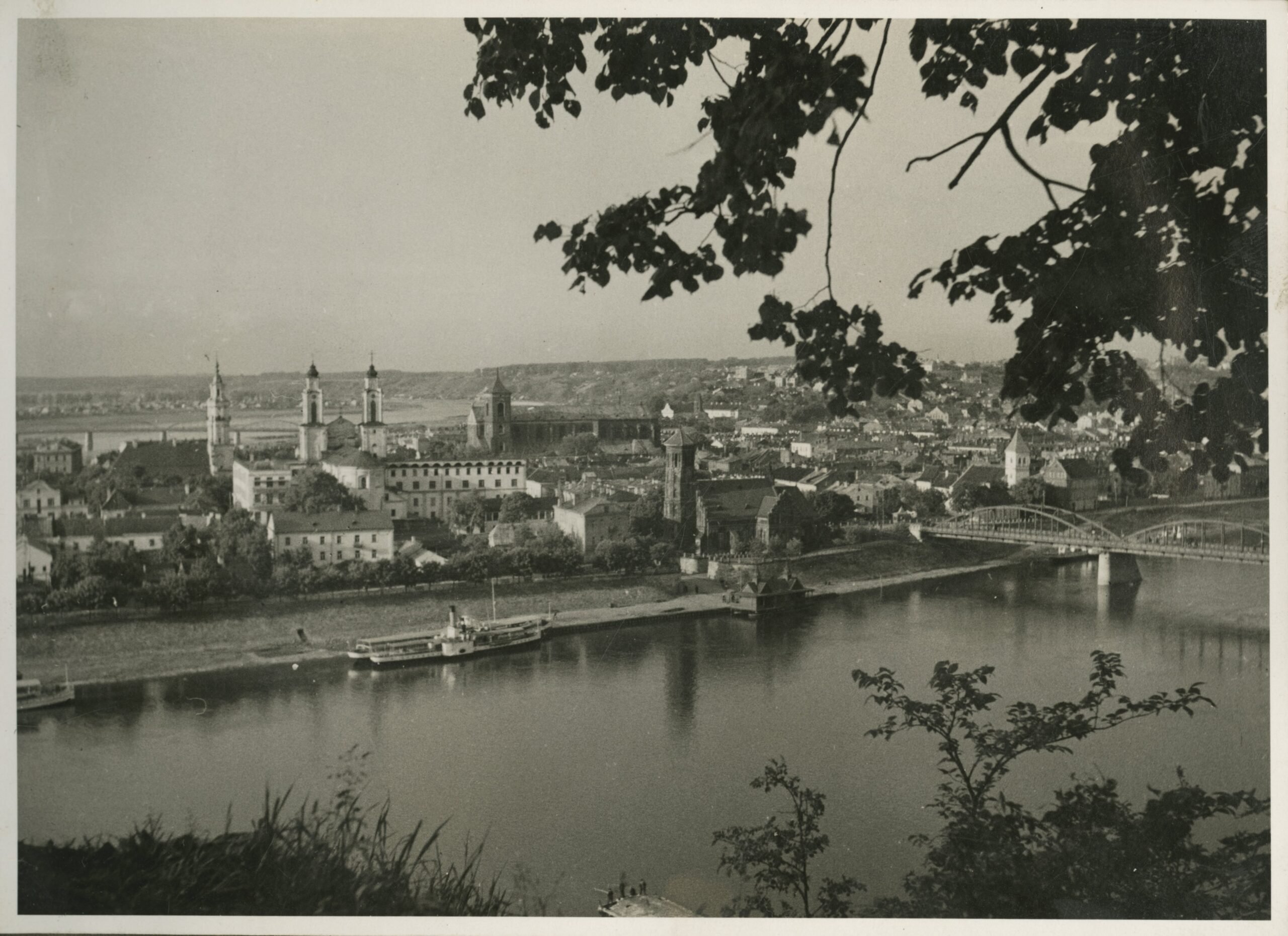
Kaunas is established at the confluence of Nemunas and Neris rivers. The old centre of the city is surrounded by these two rivers. Since the beginning of the 15th century, it has gradually expanded and reached the place which is now called Miesto Sodas (City Garden). Up until the 19th century, the most important political, cultural and economic processes of the city life took place there. Later, with the expansion of Kaunas, the New Town became more important, yet the unique rhythm of the Old Town remained upbeat by the surrounding rivers and the harbour, while the towers of the Old Town and churches, as well as other old buildings, remained as important landmarks of the city.
Town Hall Square2
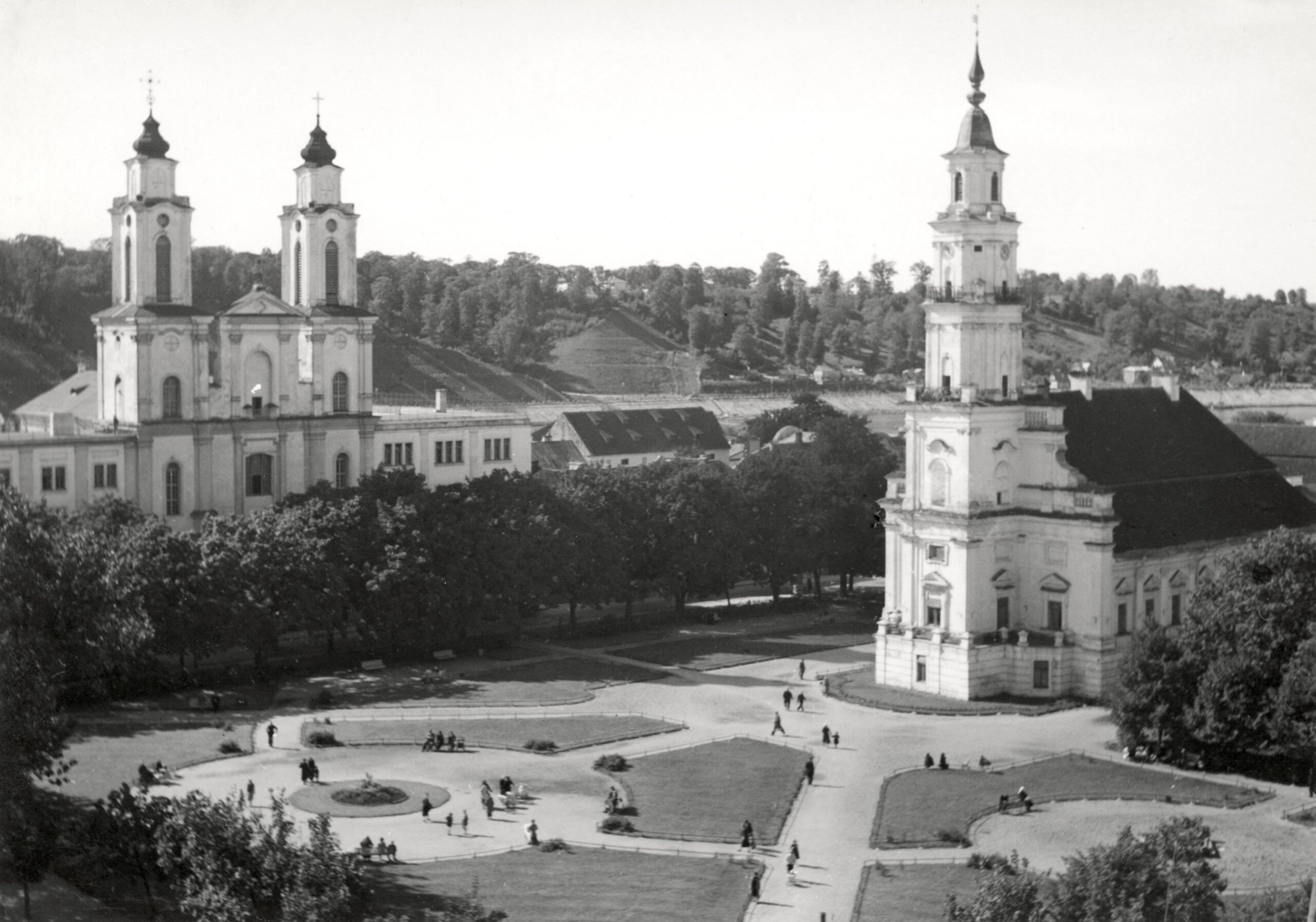
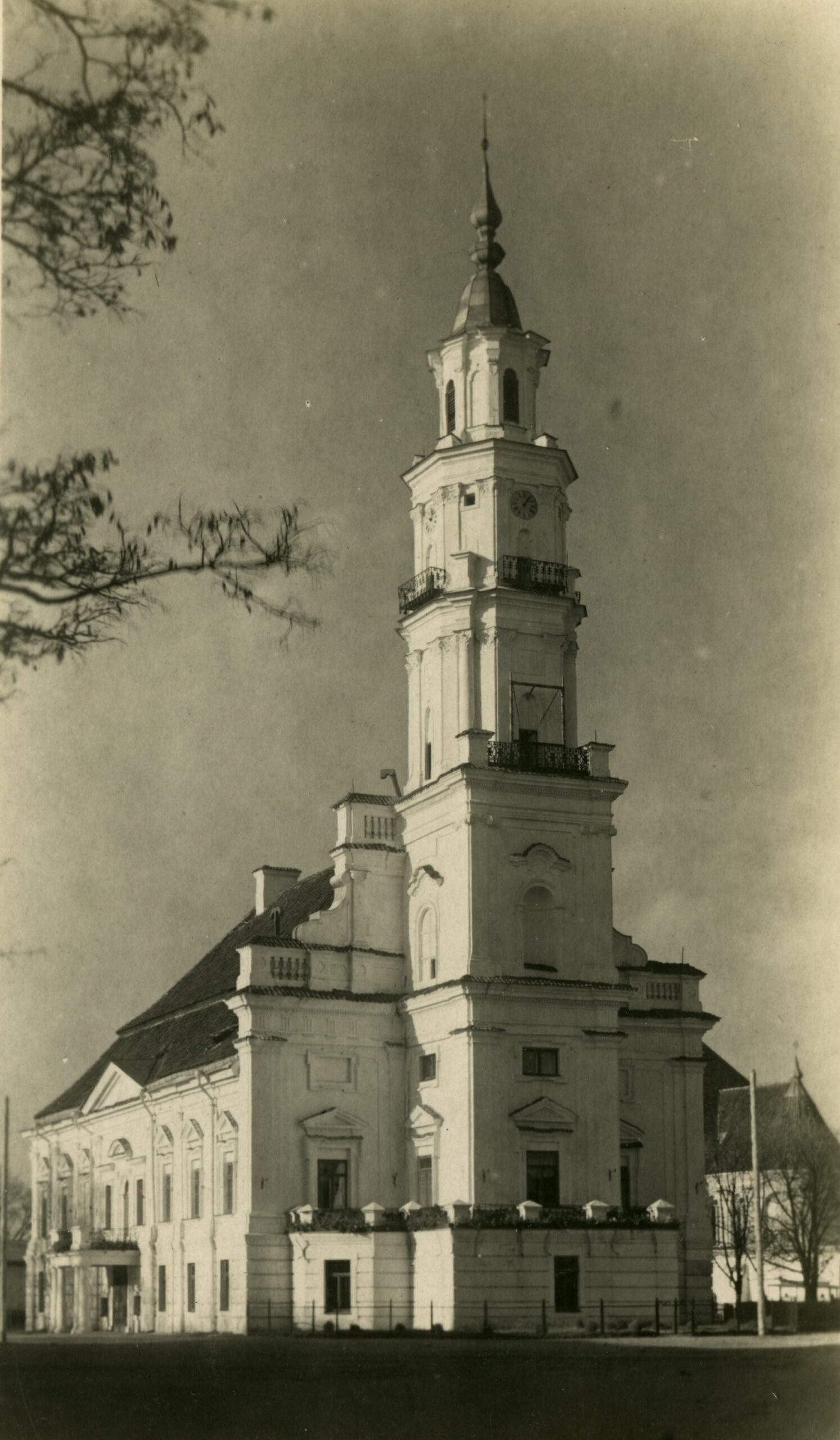
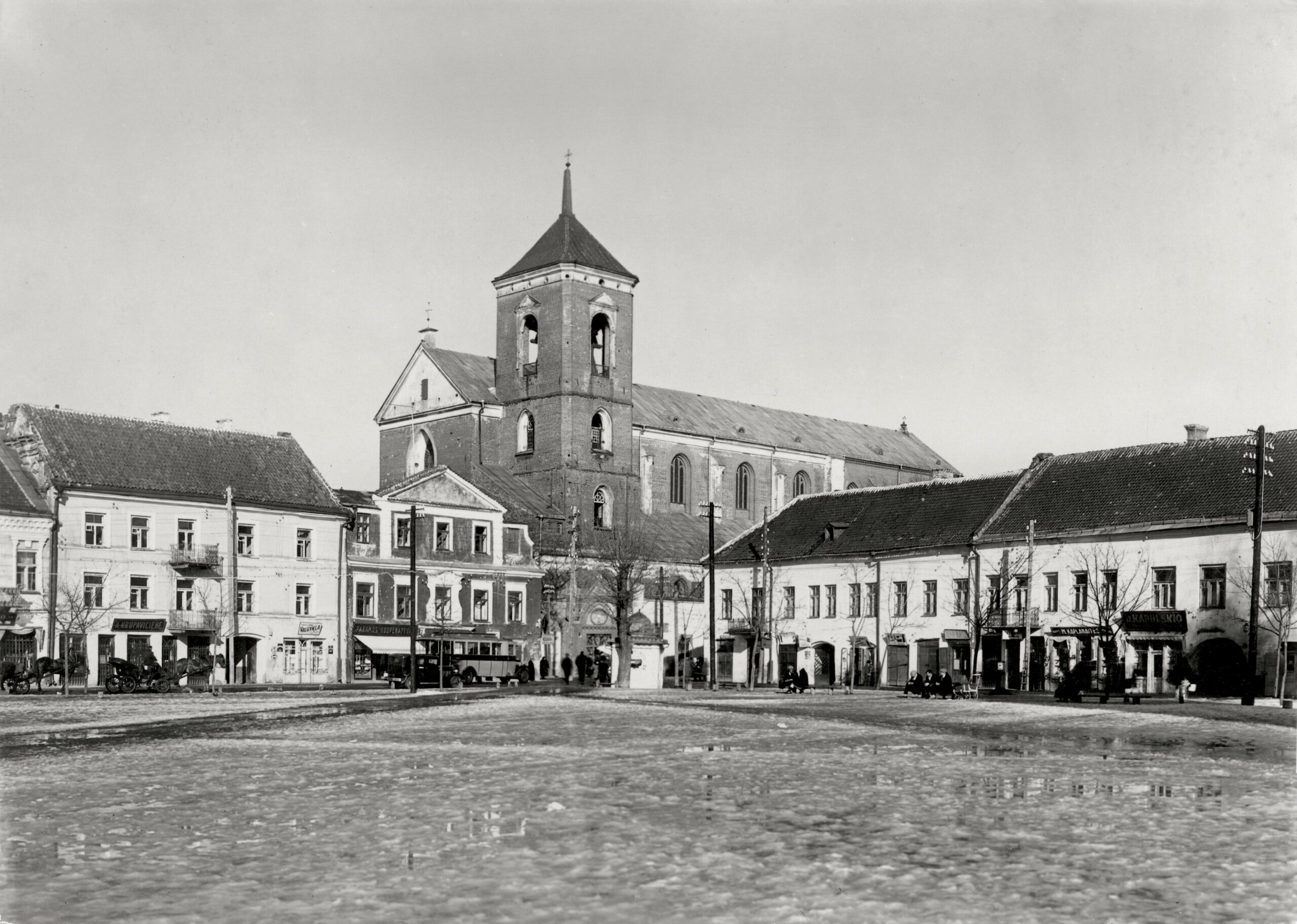
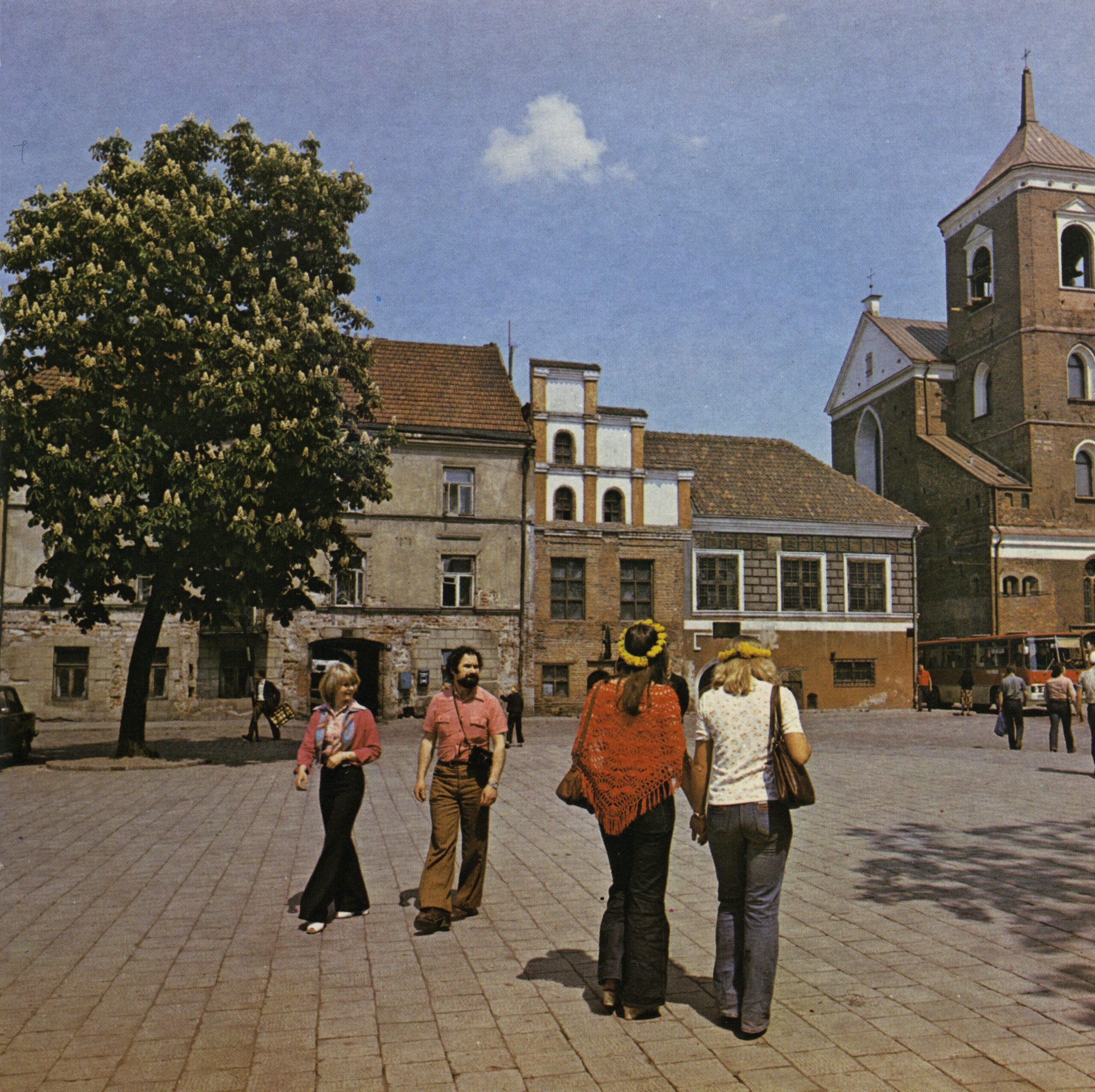
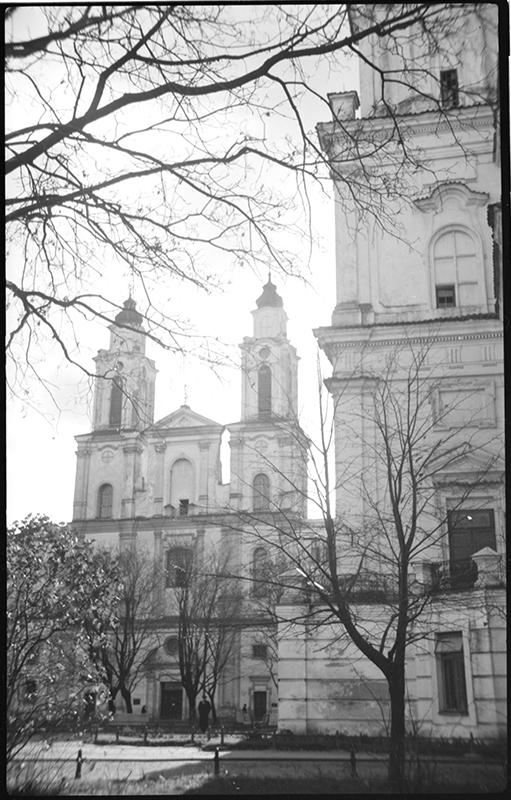
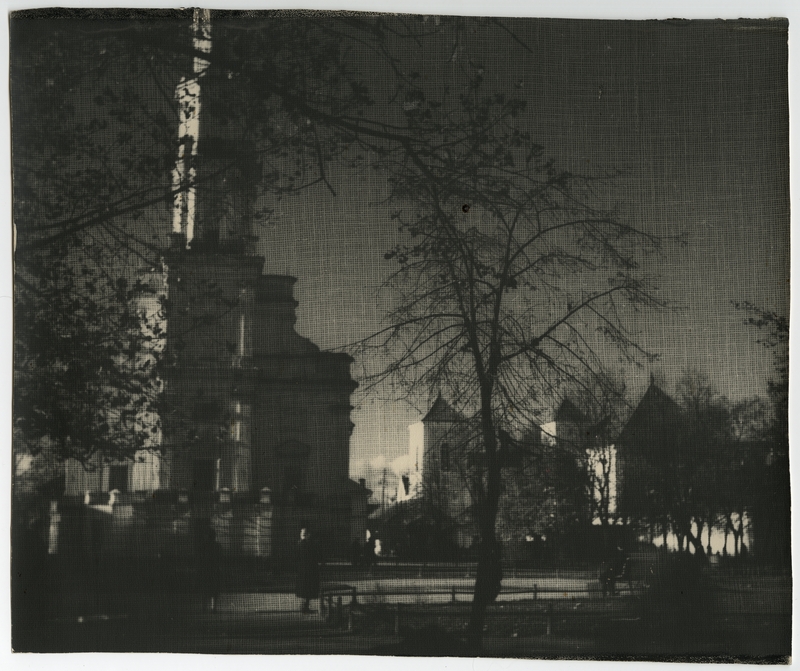
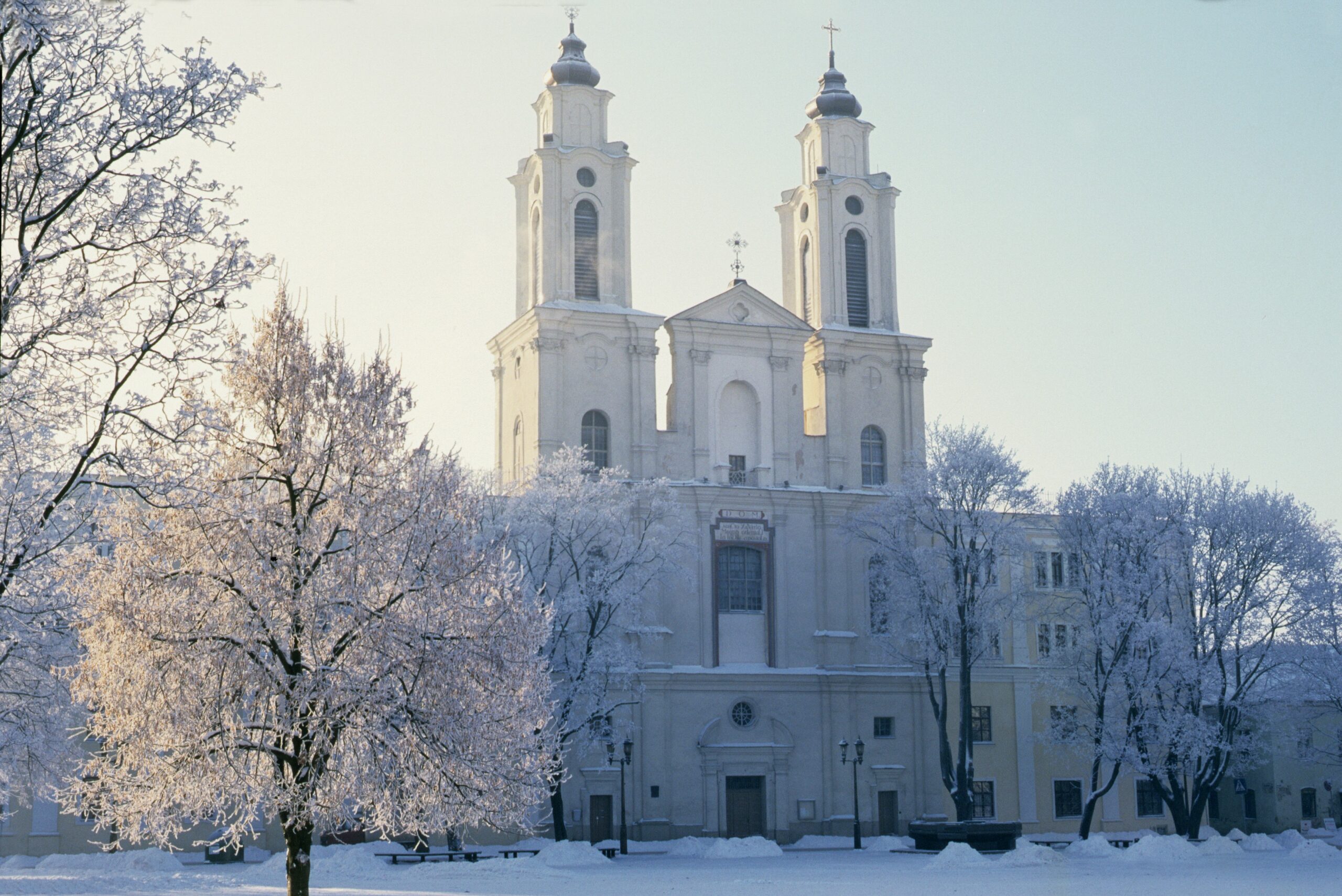
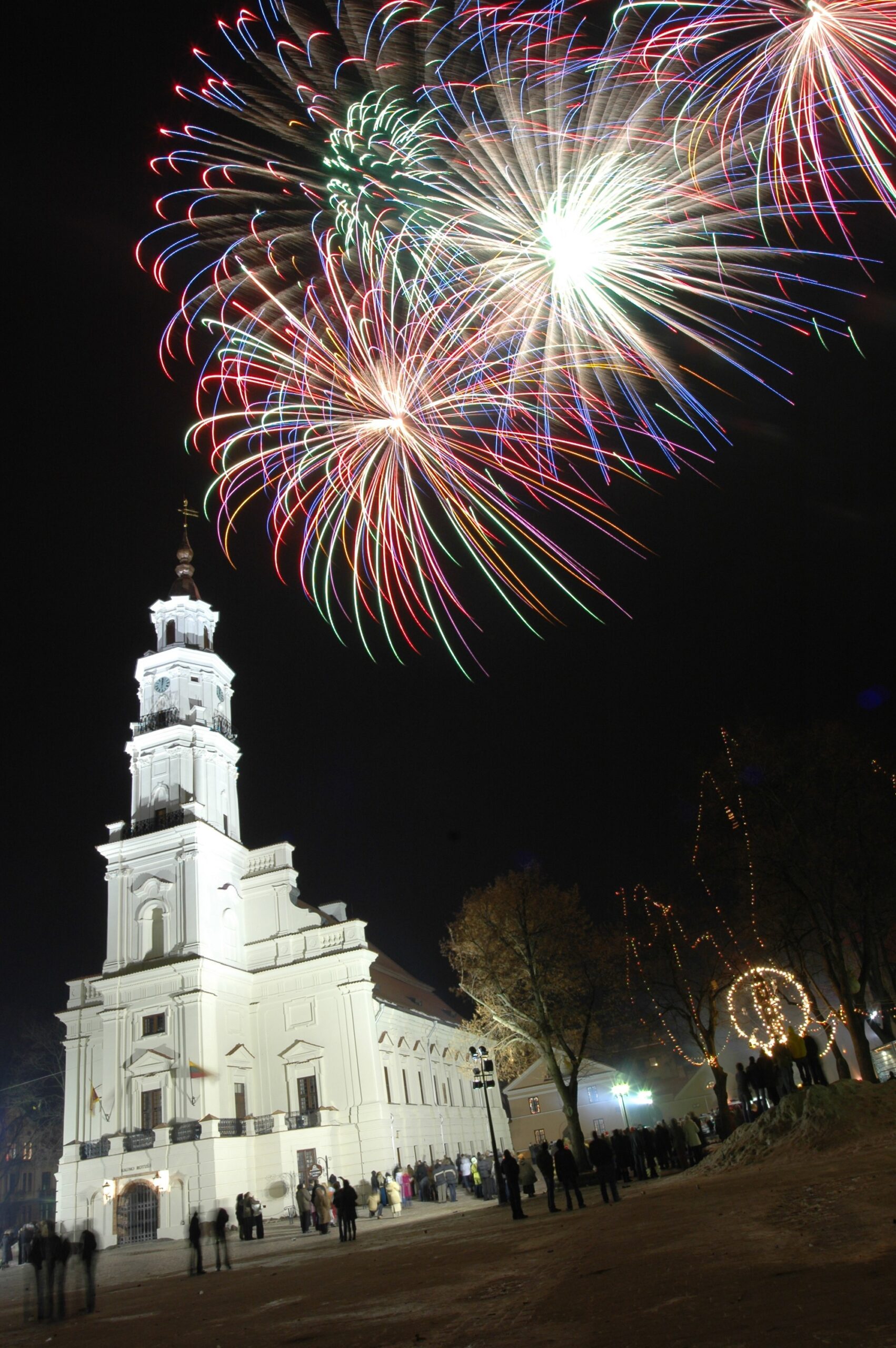
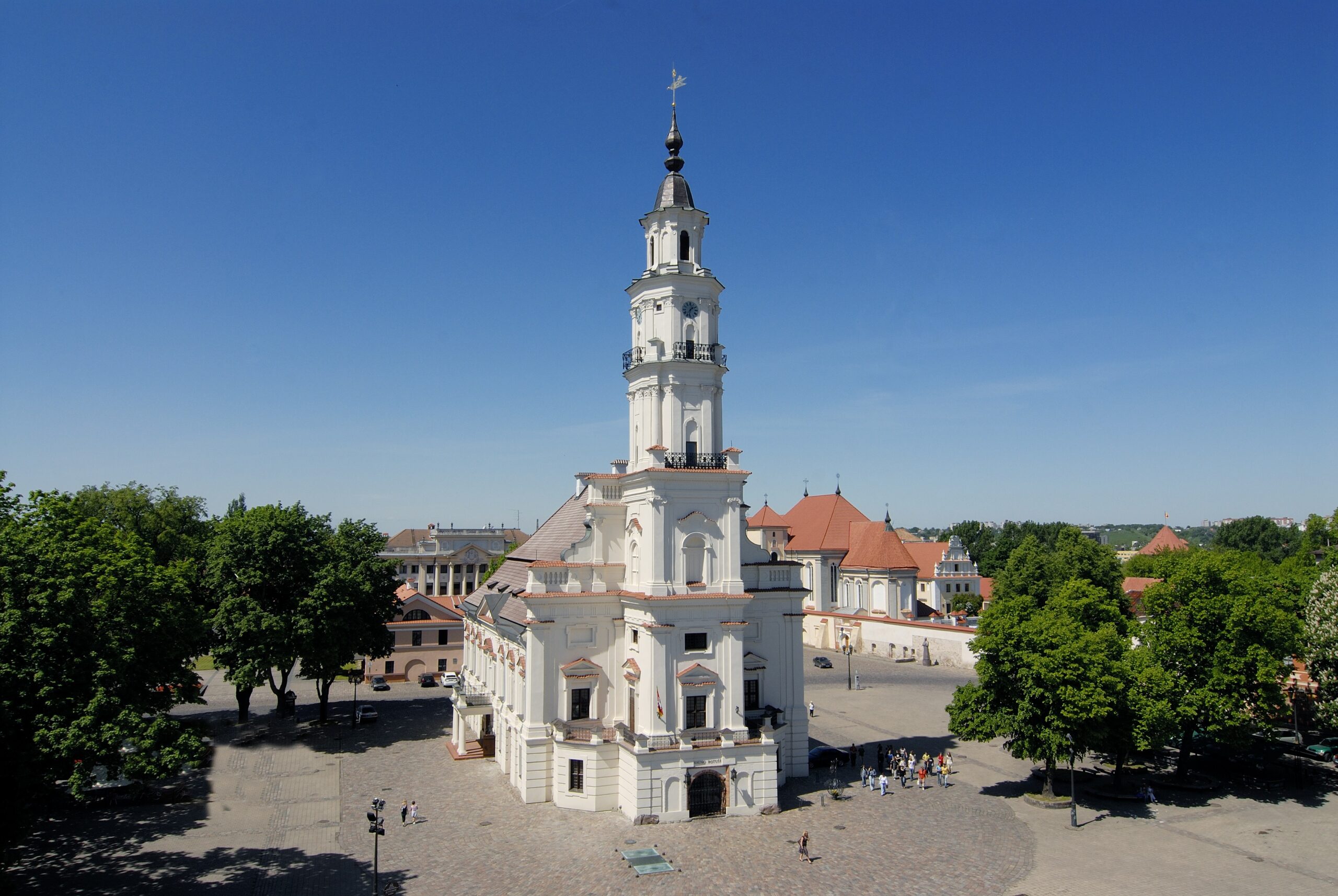
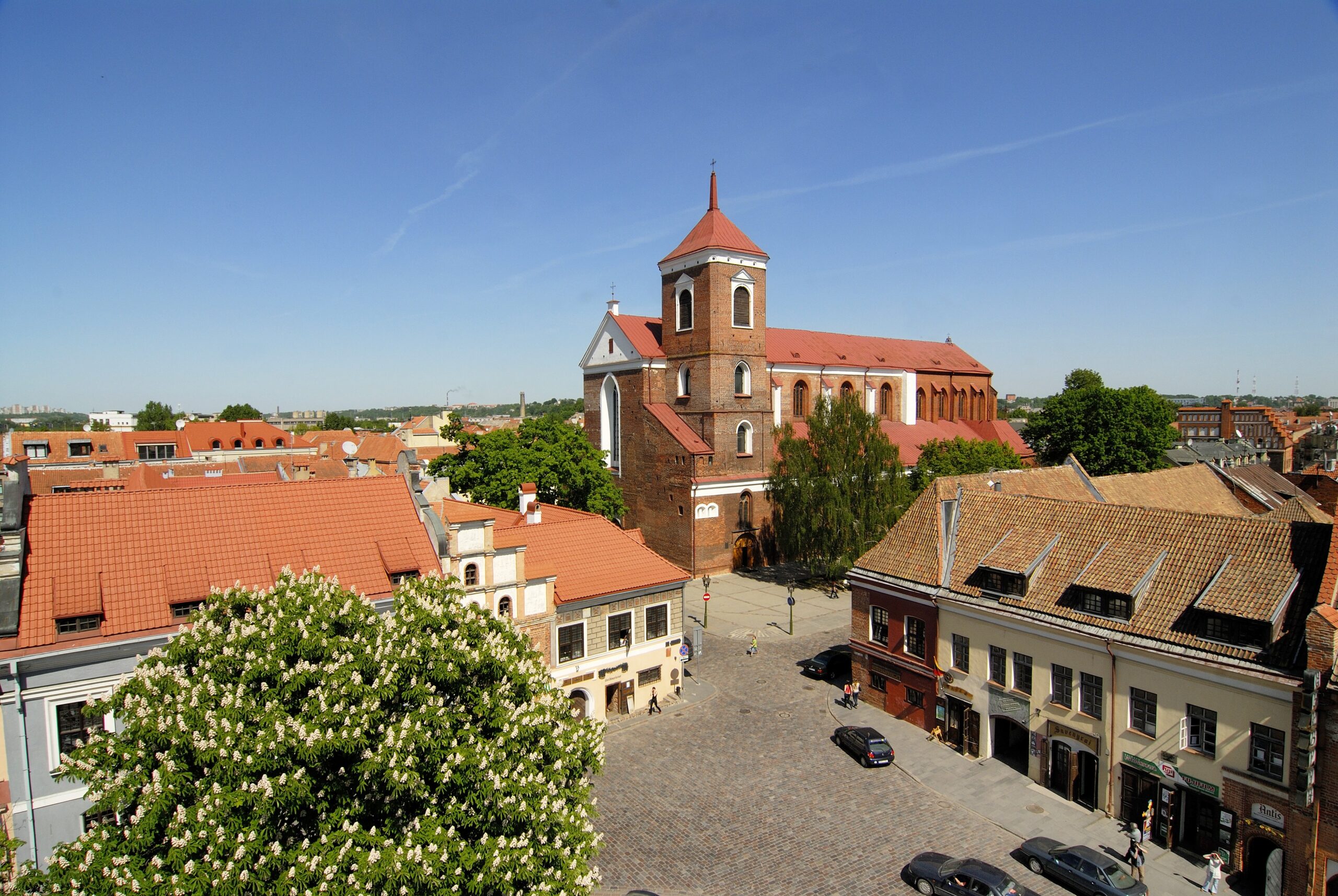
Town Hall Square is the oldest square in Kaunas. Since the 15th century, it has been the market place. For a long time, it was the only larger space in Kaunas city, so this was where various parades and other celebrations took place. The Town Hall was built in this square in the 16th century, but its current appearance has been the result of a makeover that took place in the 18th century. The square changed its name more than once; in the second half of the 19th century, it was called the Soboro Square, when the Jesuit church was converted into the Alexander Nevsky Sobor (Orthodox Cathedral). It became more attractive during the Interwar Period, as various plants and flowerbeds made it more appealing to the residents as a place to spend their free time in it.
Kaunas Castle3
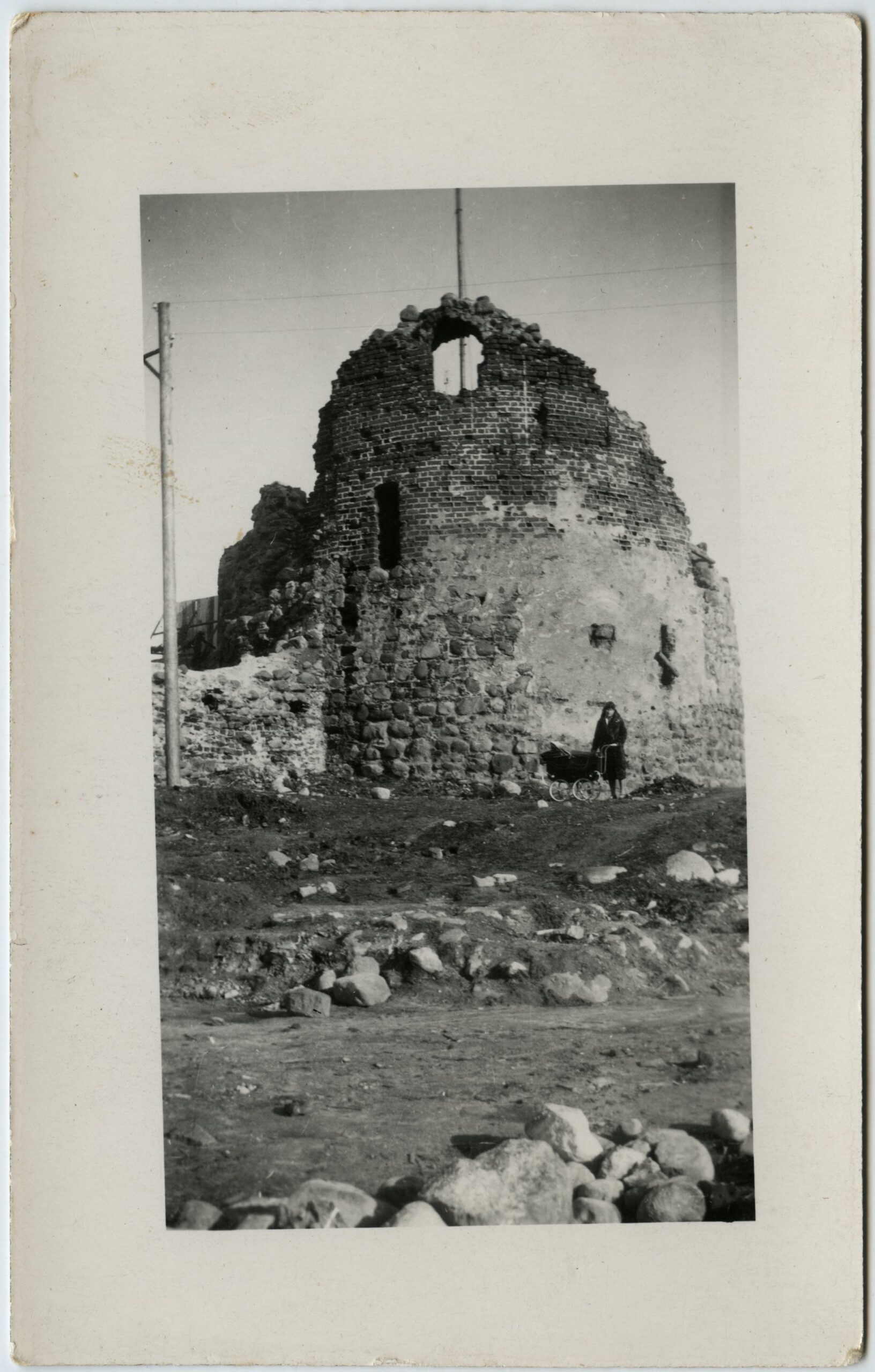
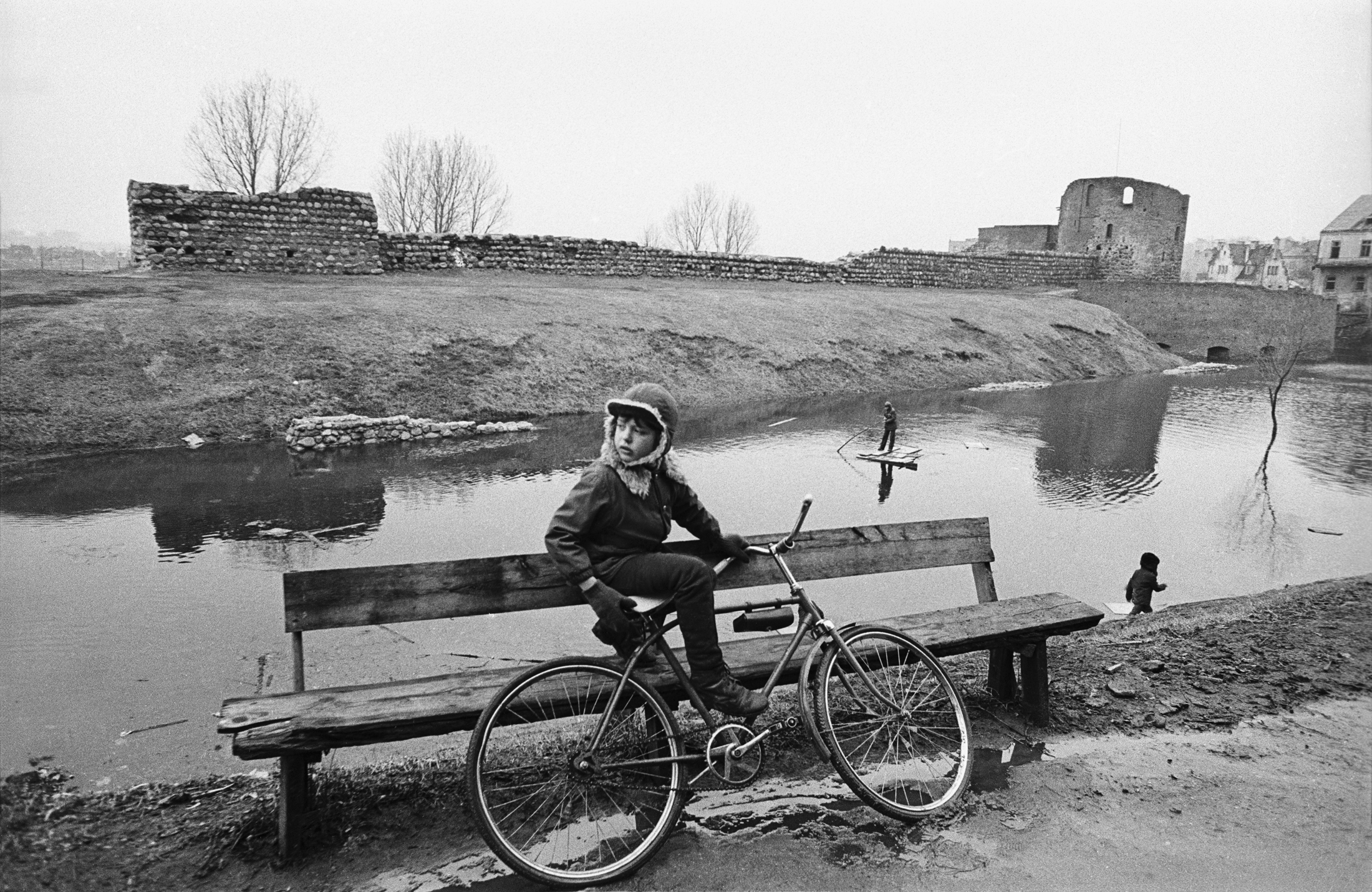
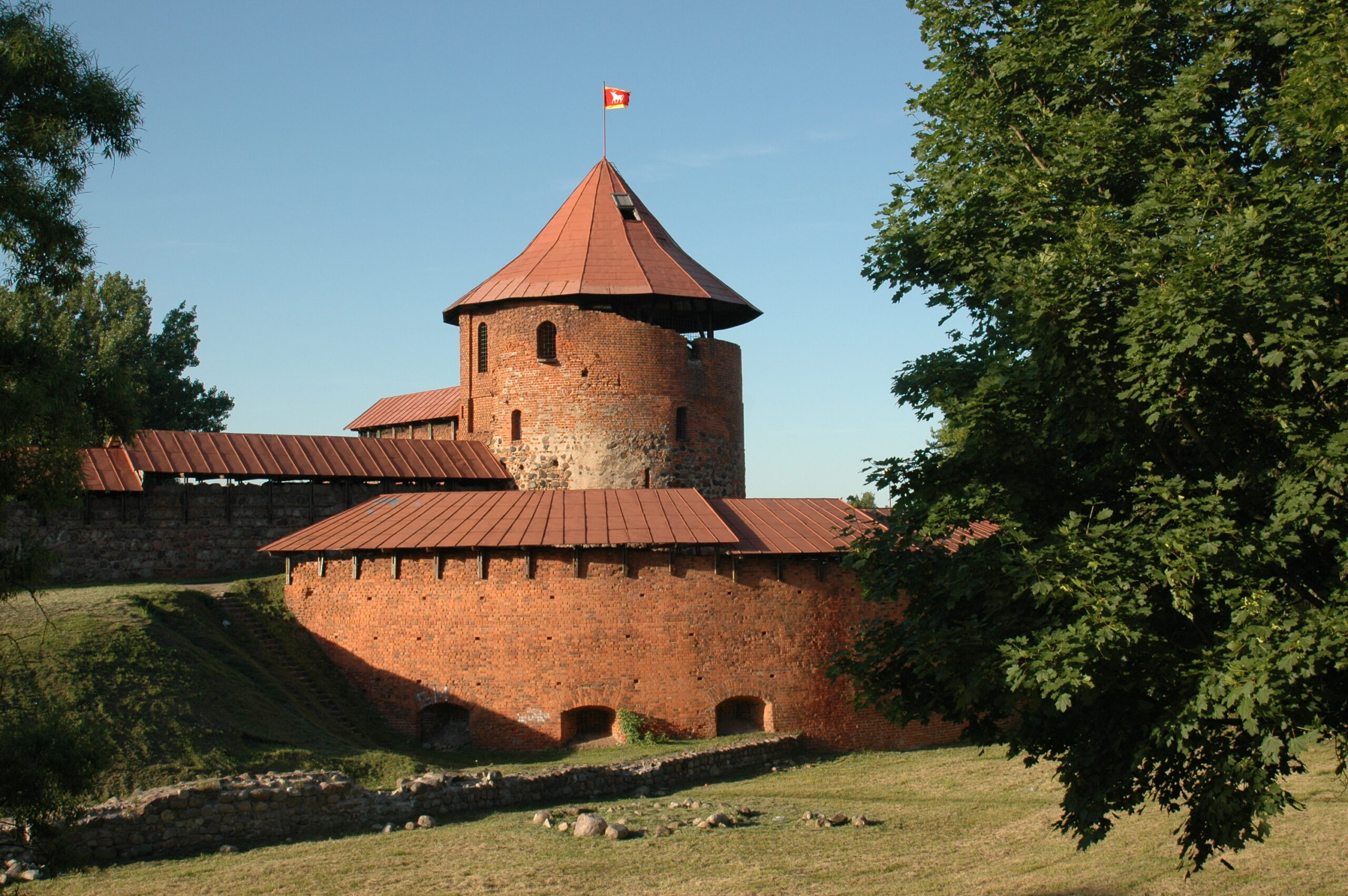
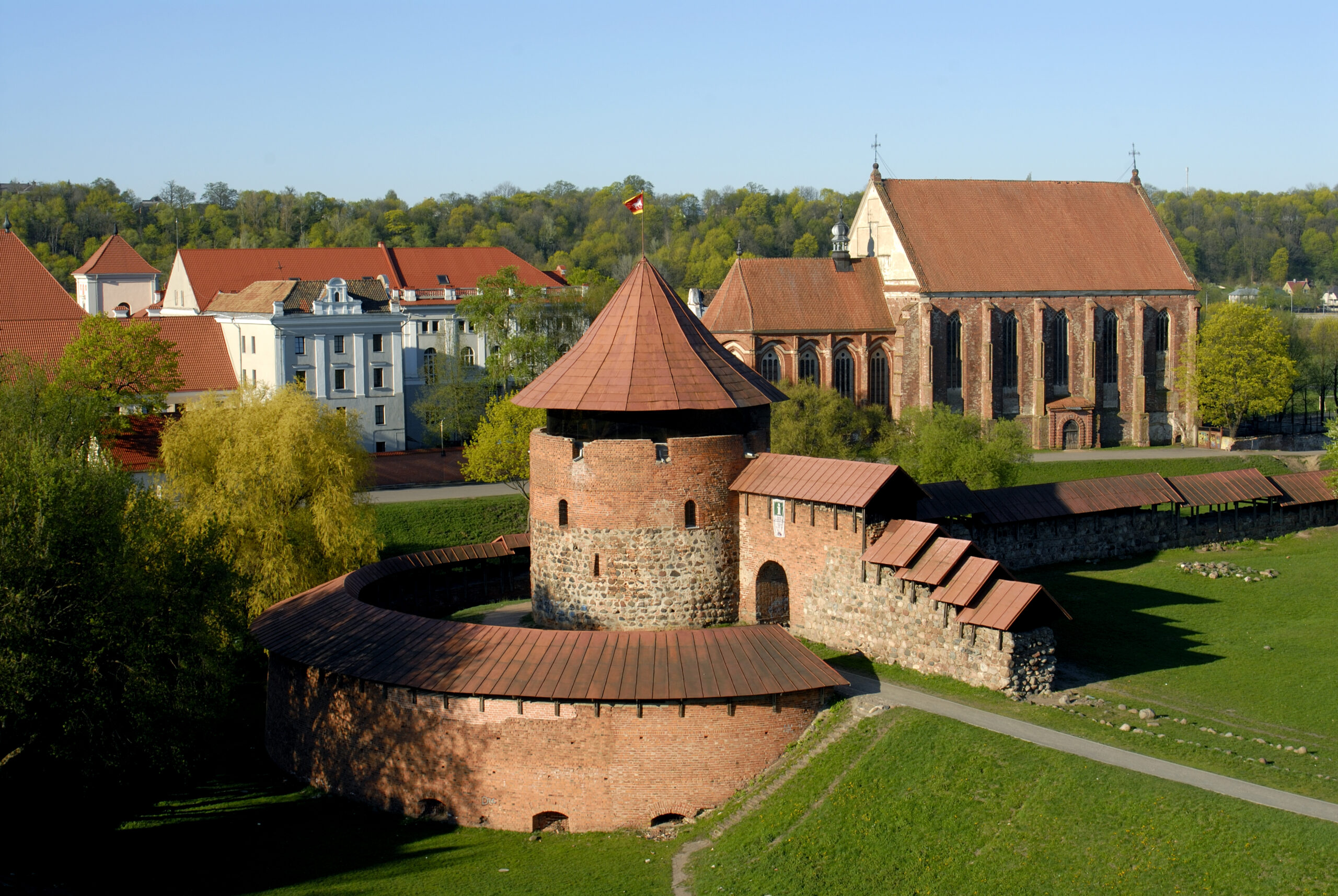
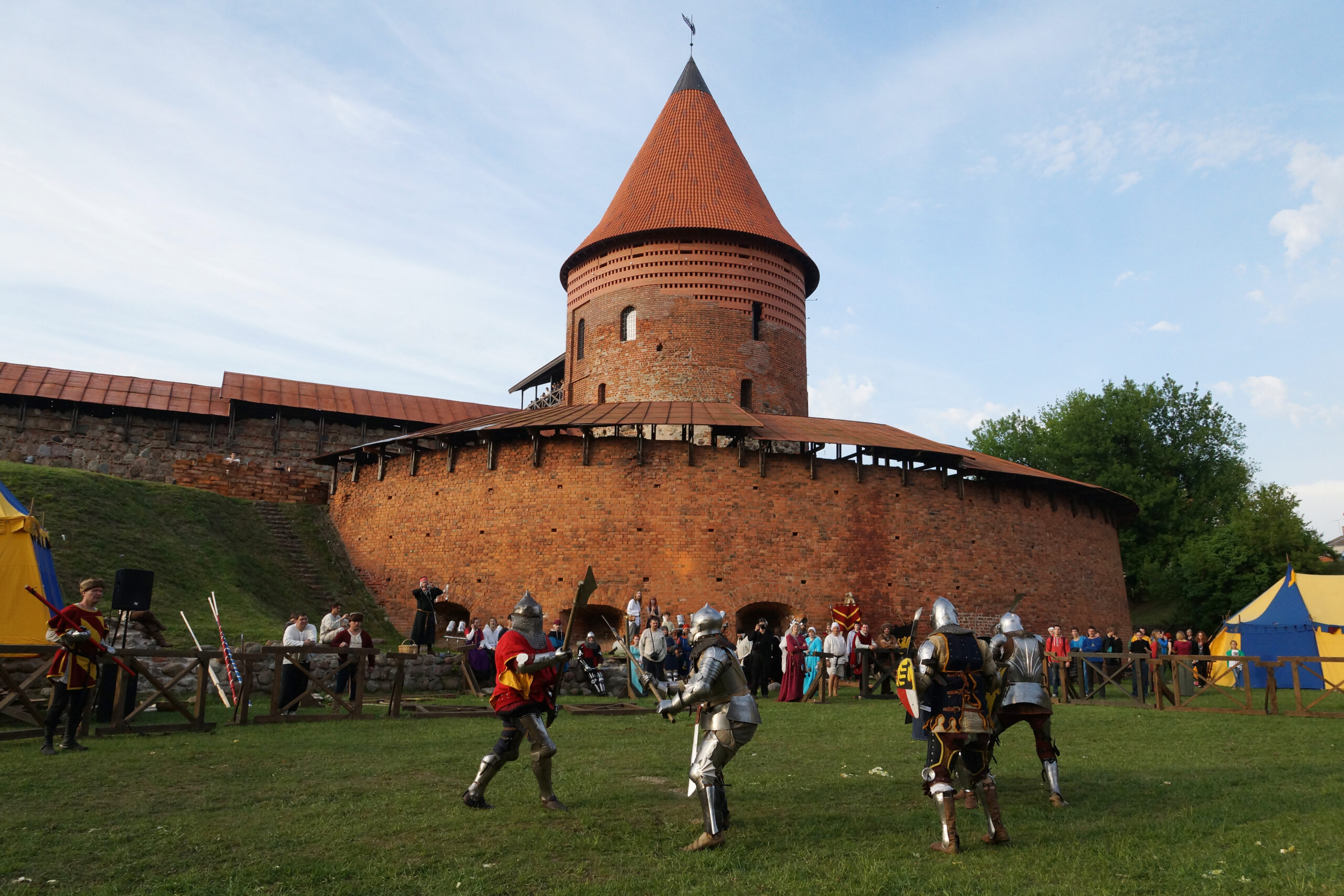
Kaunas Castle was first mentioned in the historical sources in 1361. We know that the first castle has been destroyed during the fights with the Teutonic Order. The current remnants of the castle belong to the second Kaunas Castle which was constructed in the 14th–15th century. However, its importance was already diminished and after the war with Moscow in 1655, it was no longer used for the defence of the city. However, Kaunas Castle suffered not only from the enemy attacks; a considerable part of it was destroyed by Neris River. During the second half of the 19th century, wooden houses were built around the castle and it gradually turned into a shantytown. The necessity to restore or even rebuild the castle became relevant in 1930, during the commemoration of Vytautas Magnus. However, it was only possible to carry out tower preservation works. Conservation of the castle and fore-work was continued during the Soviet times, when it was also partially restored. Kaunas Castle changed its appearance again after the controversial reconstruction works in 2010–2011.
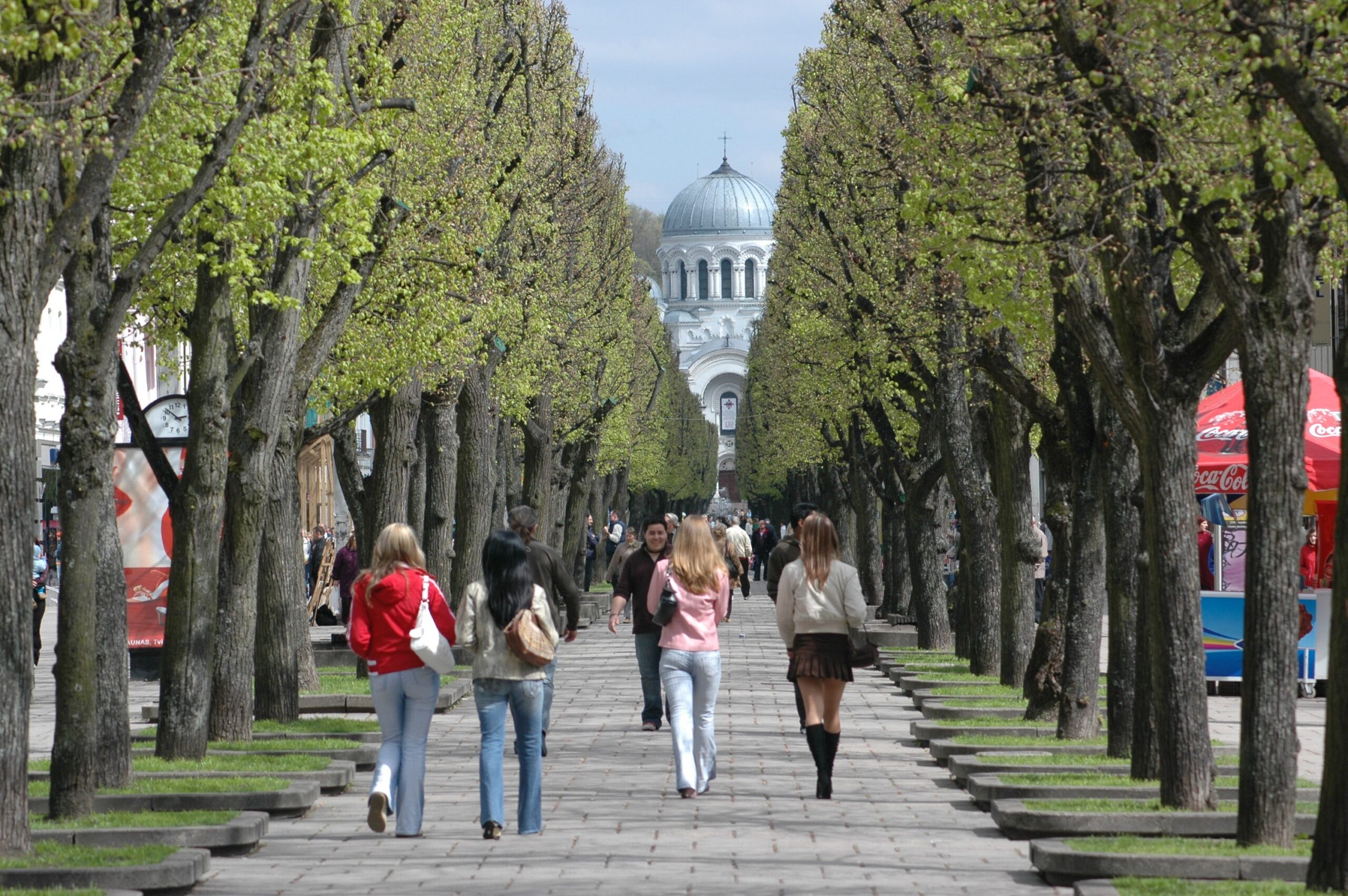
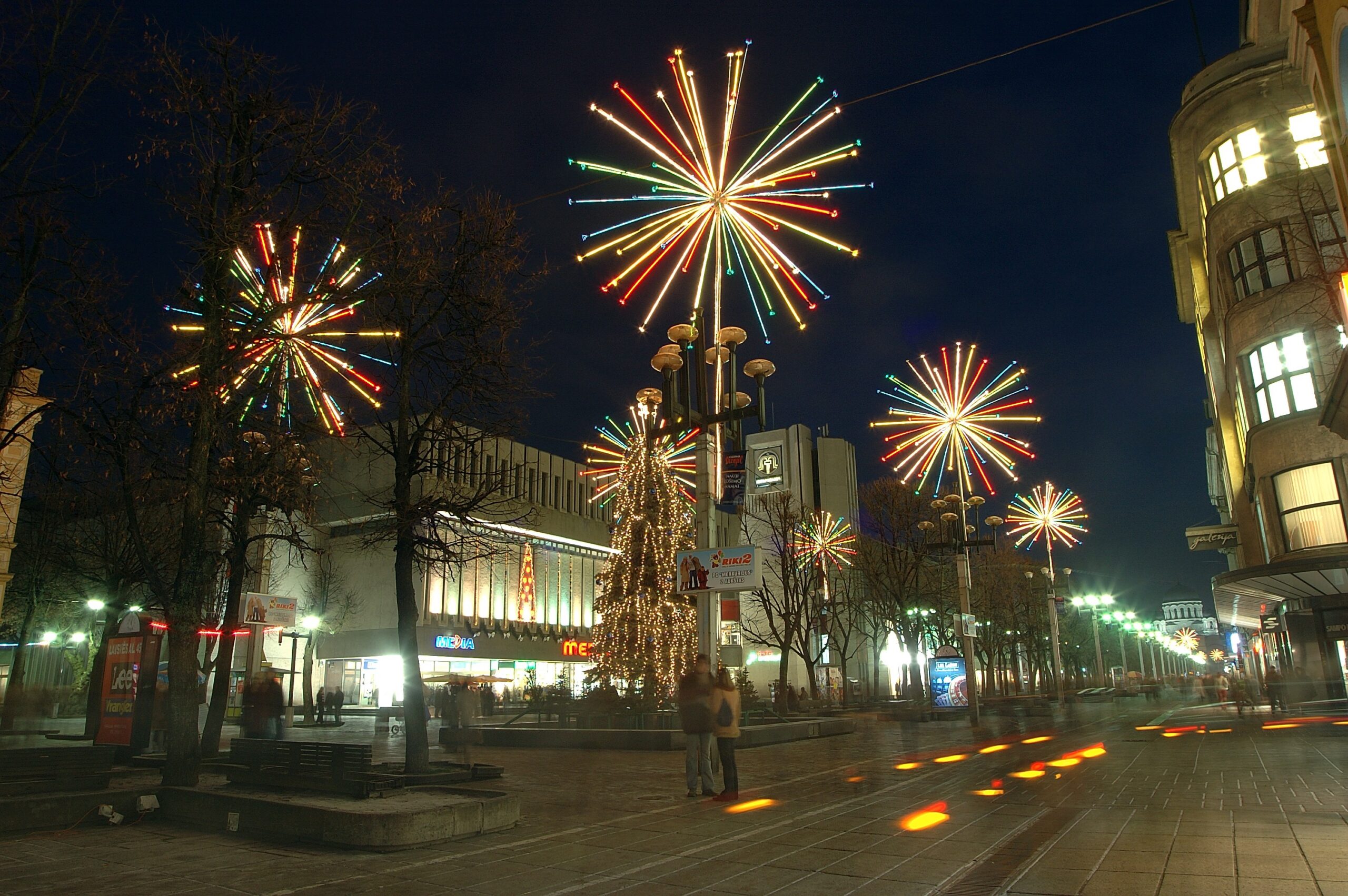
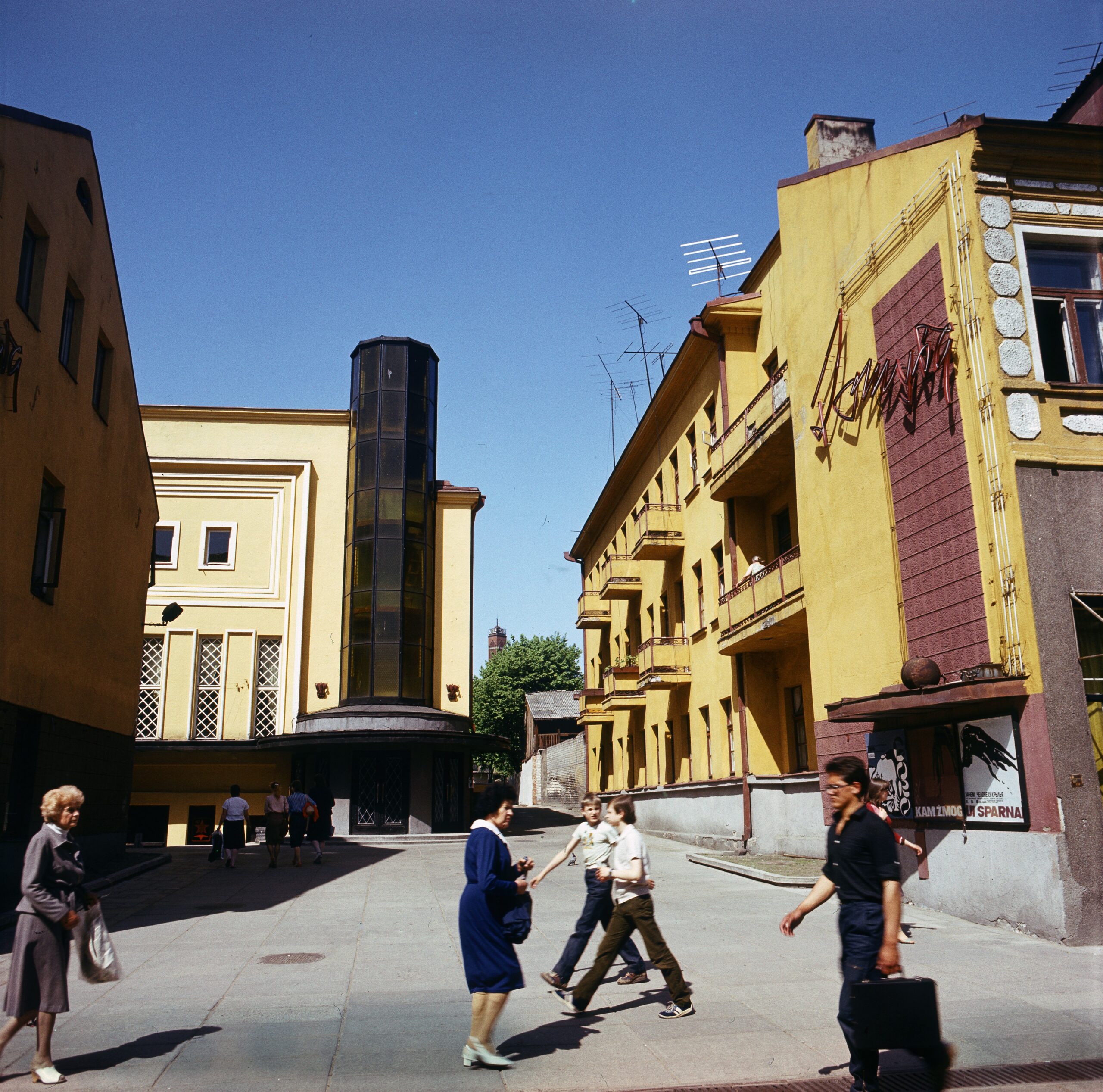
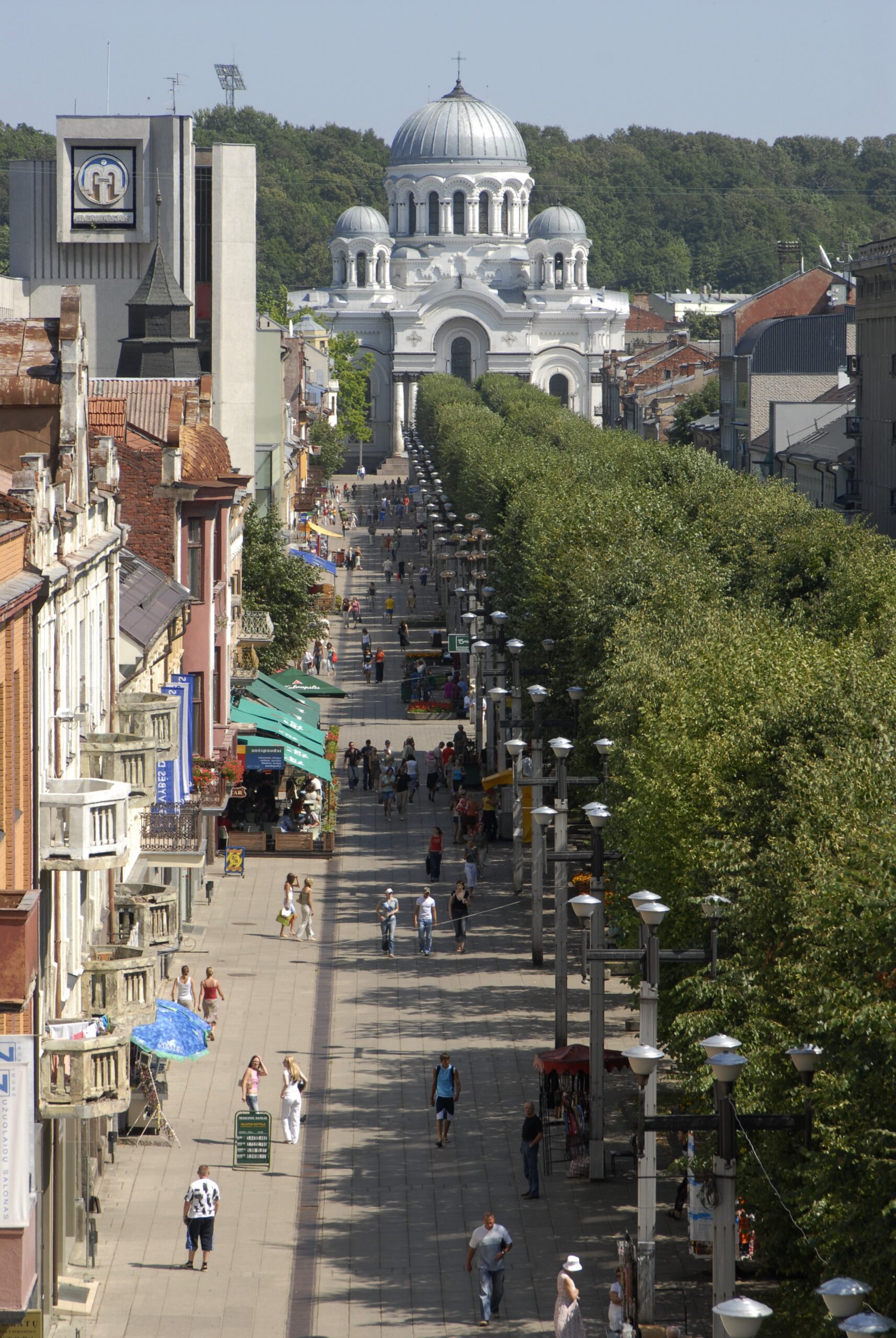
Laisvės alėja (Freedom Avenue)4
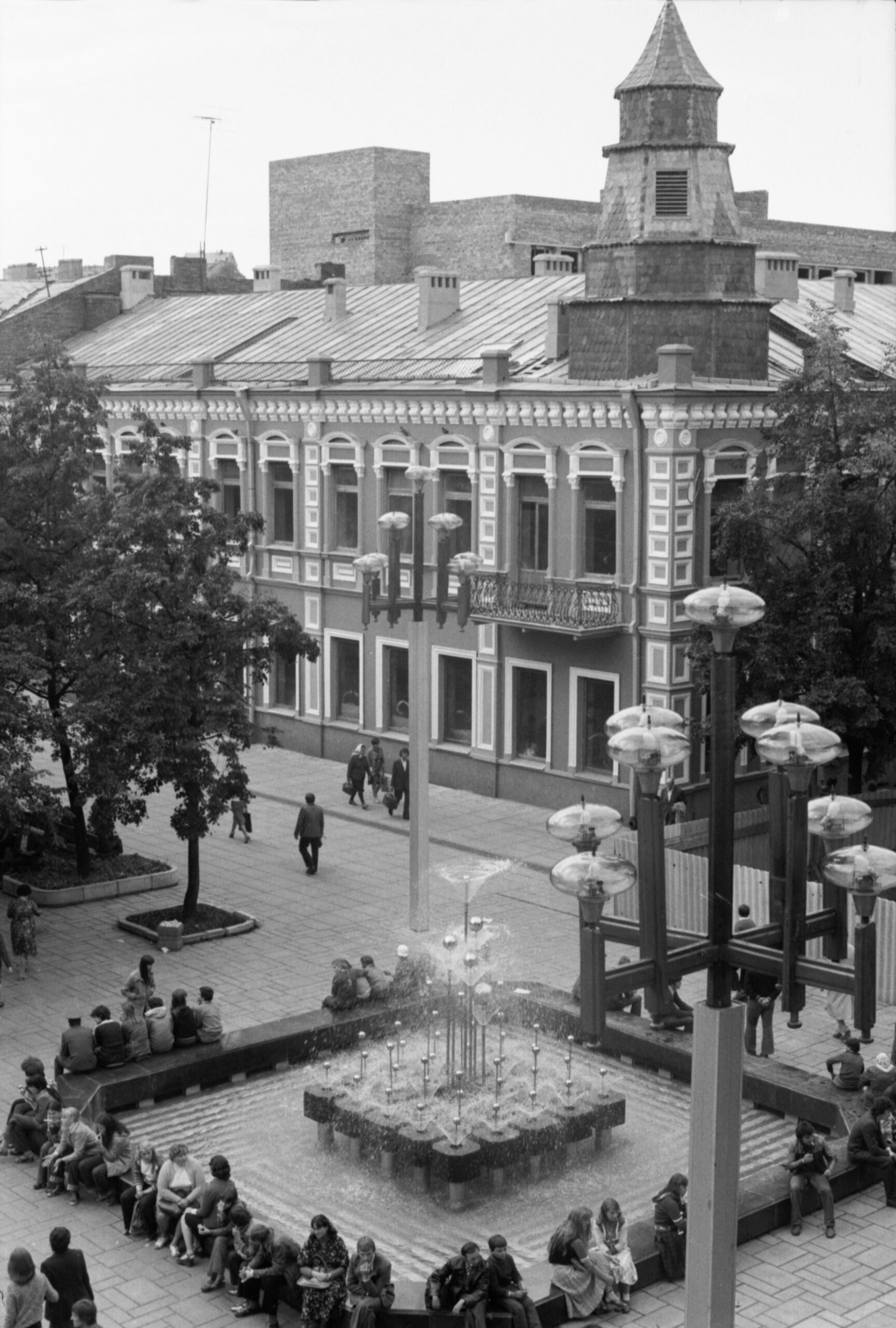
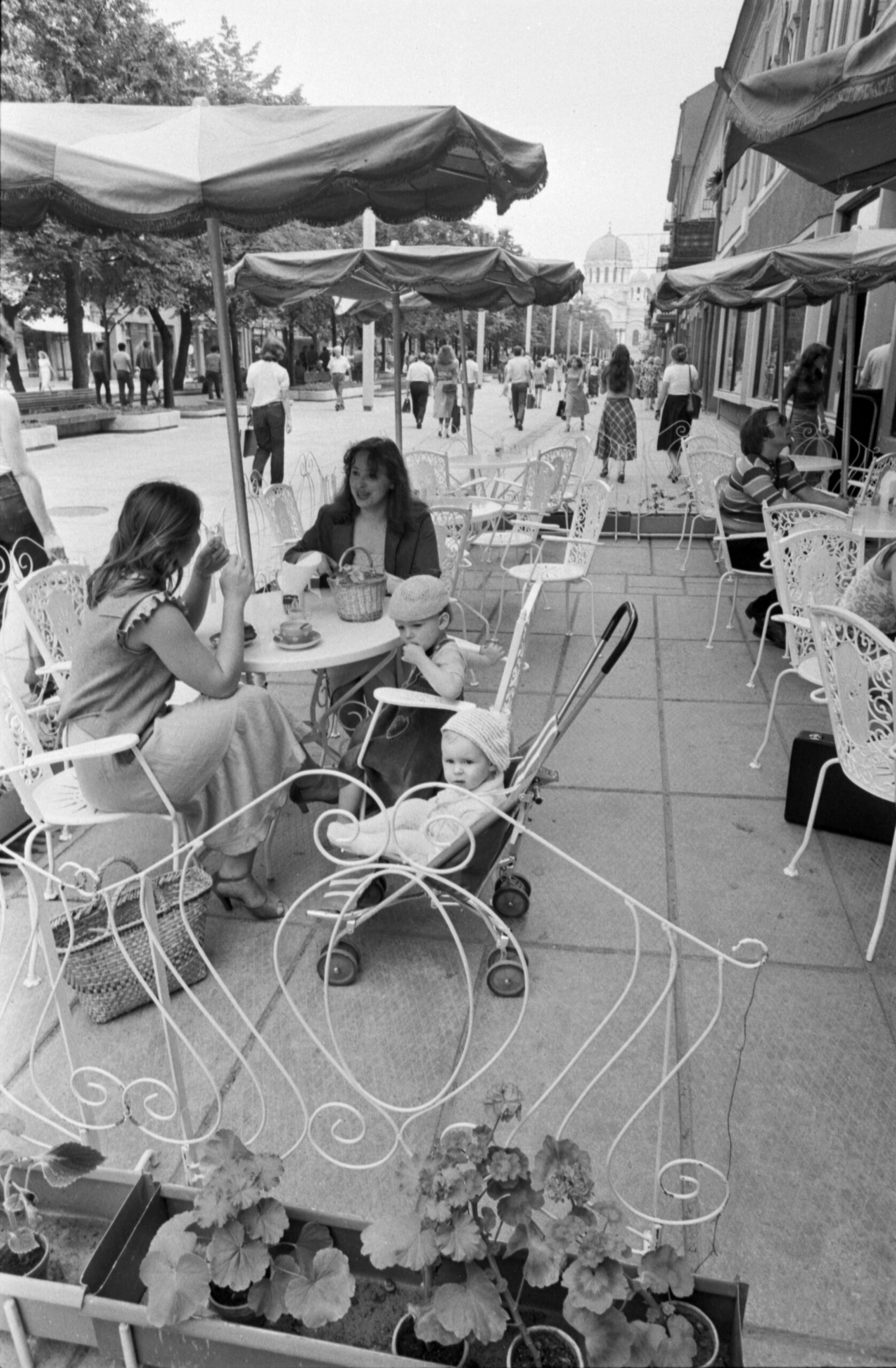
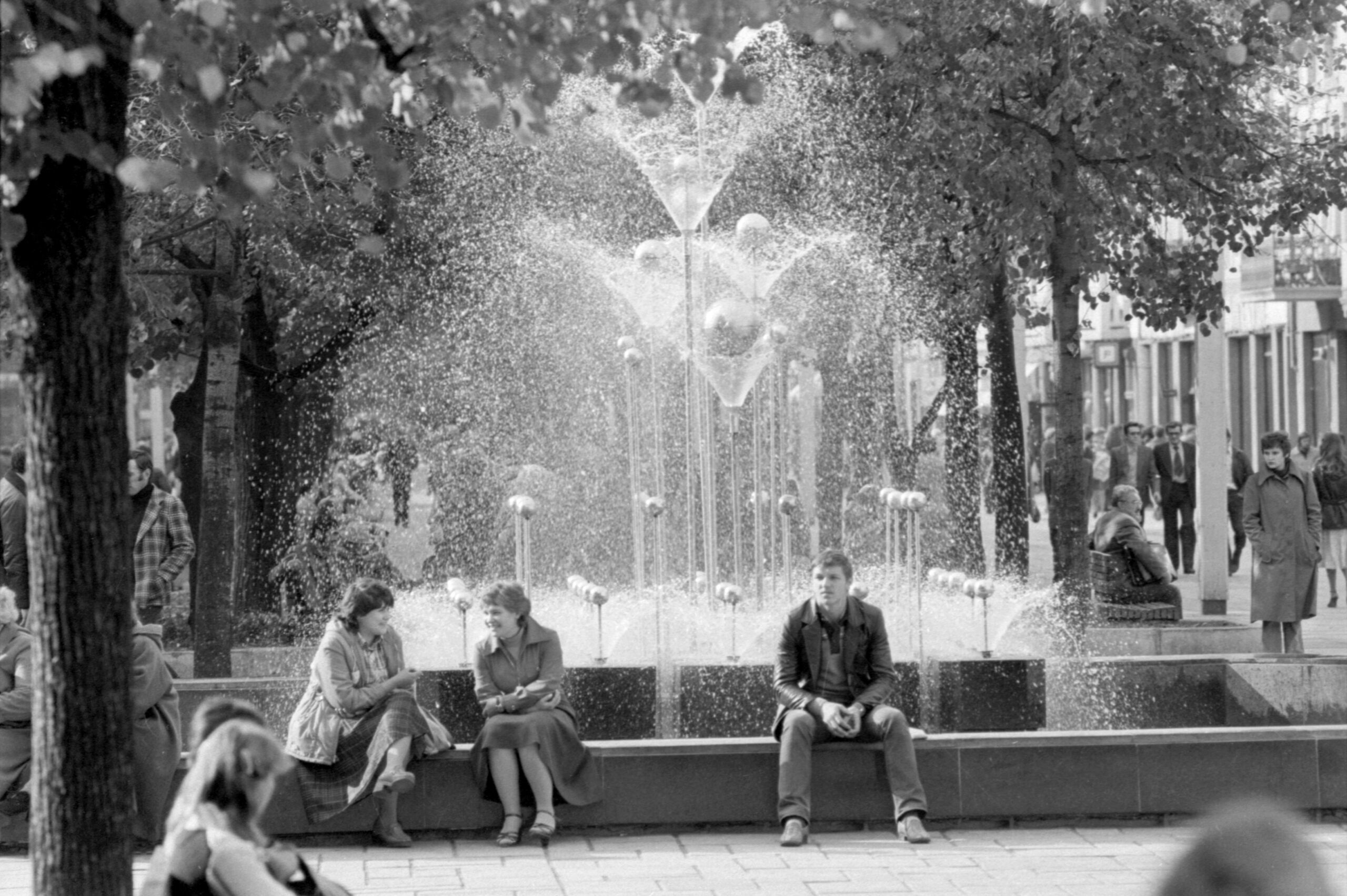
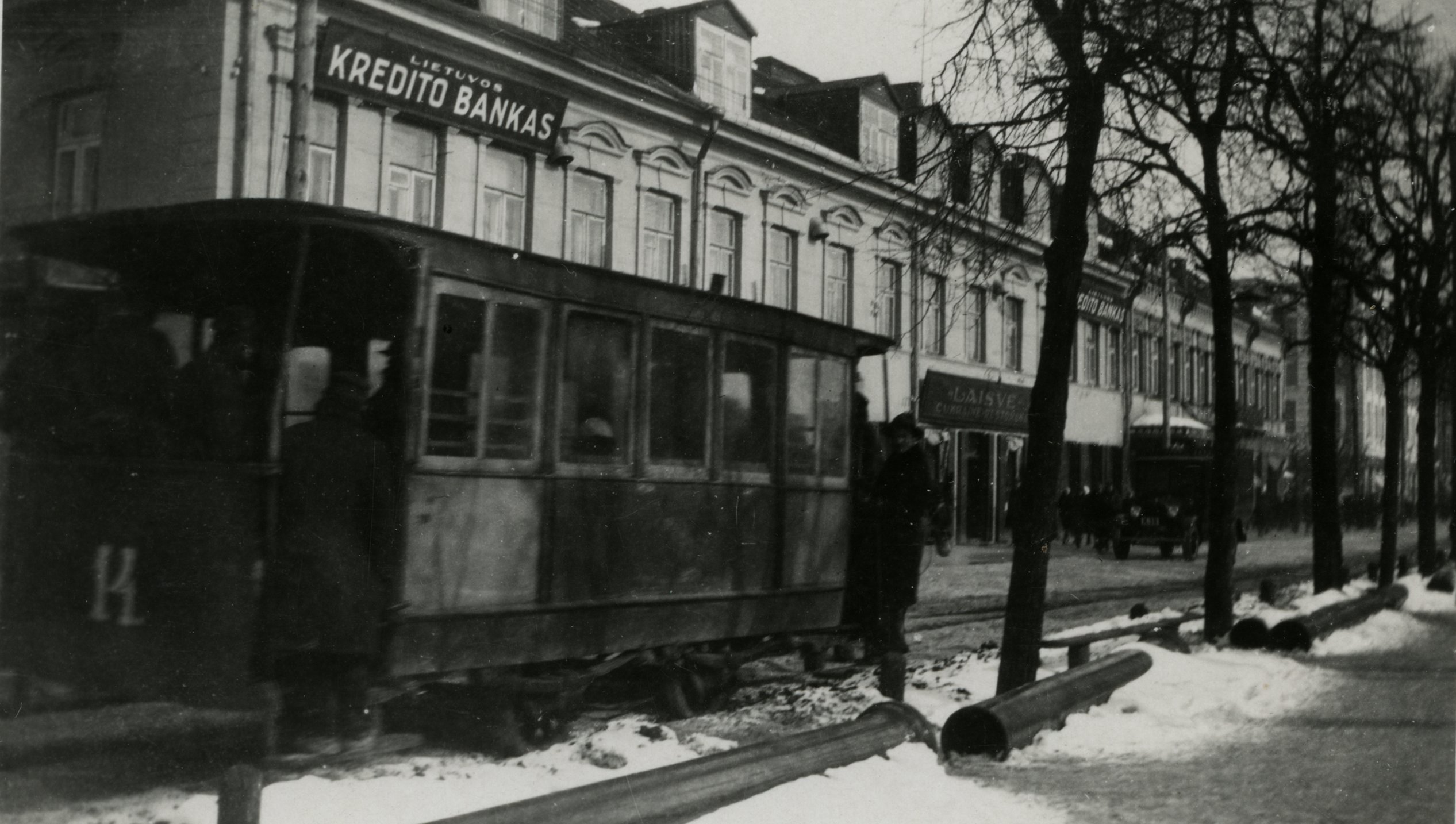
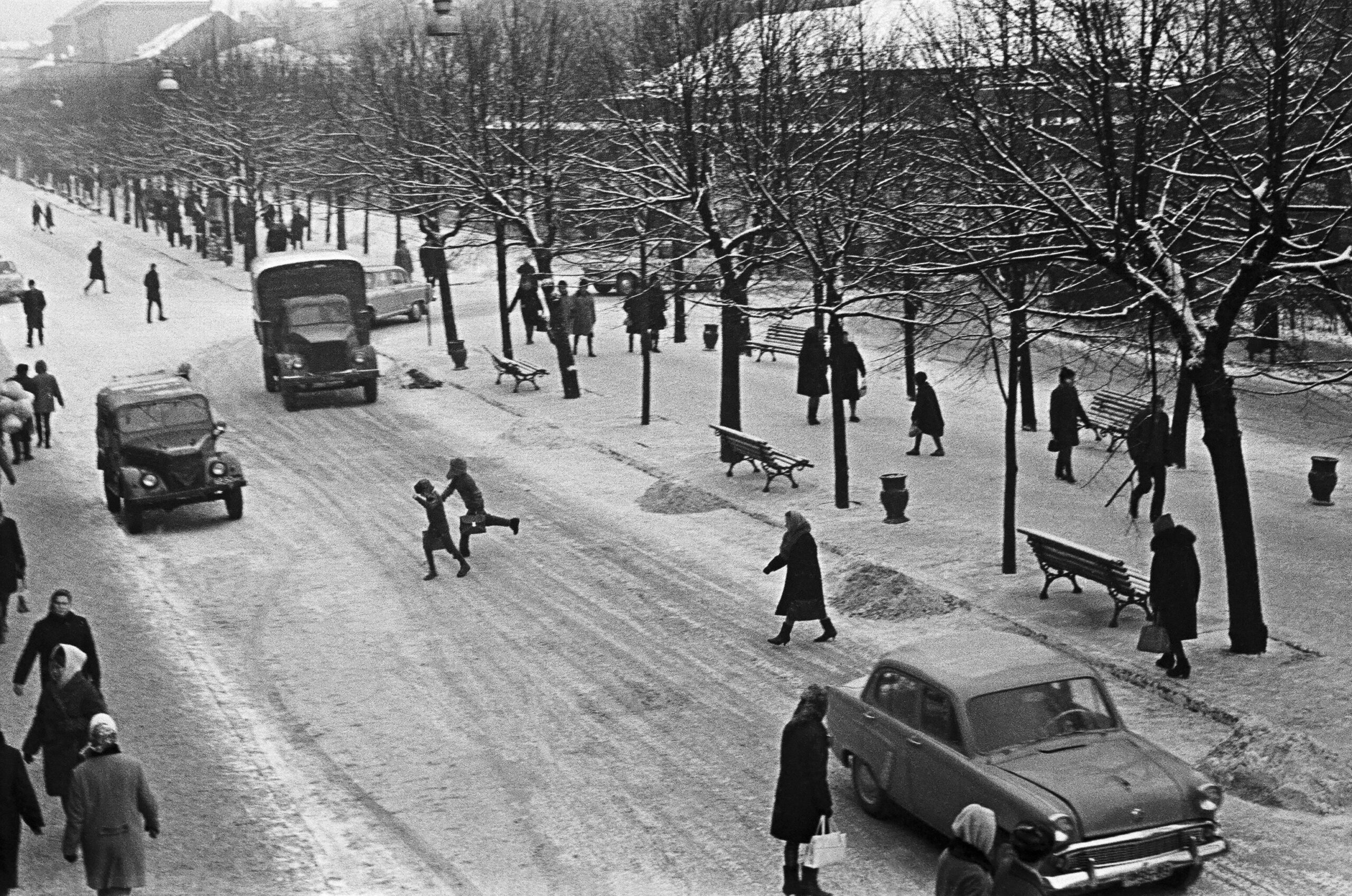
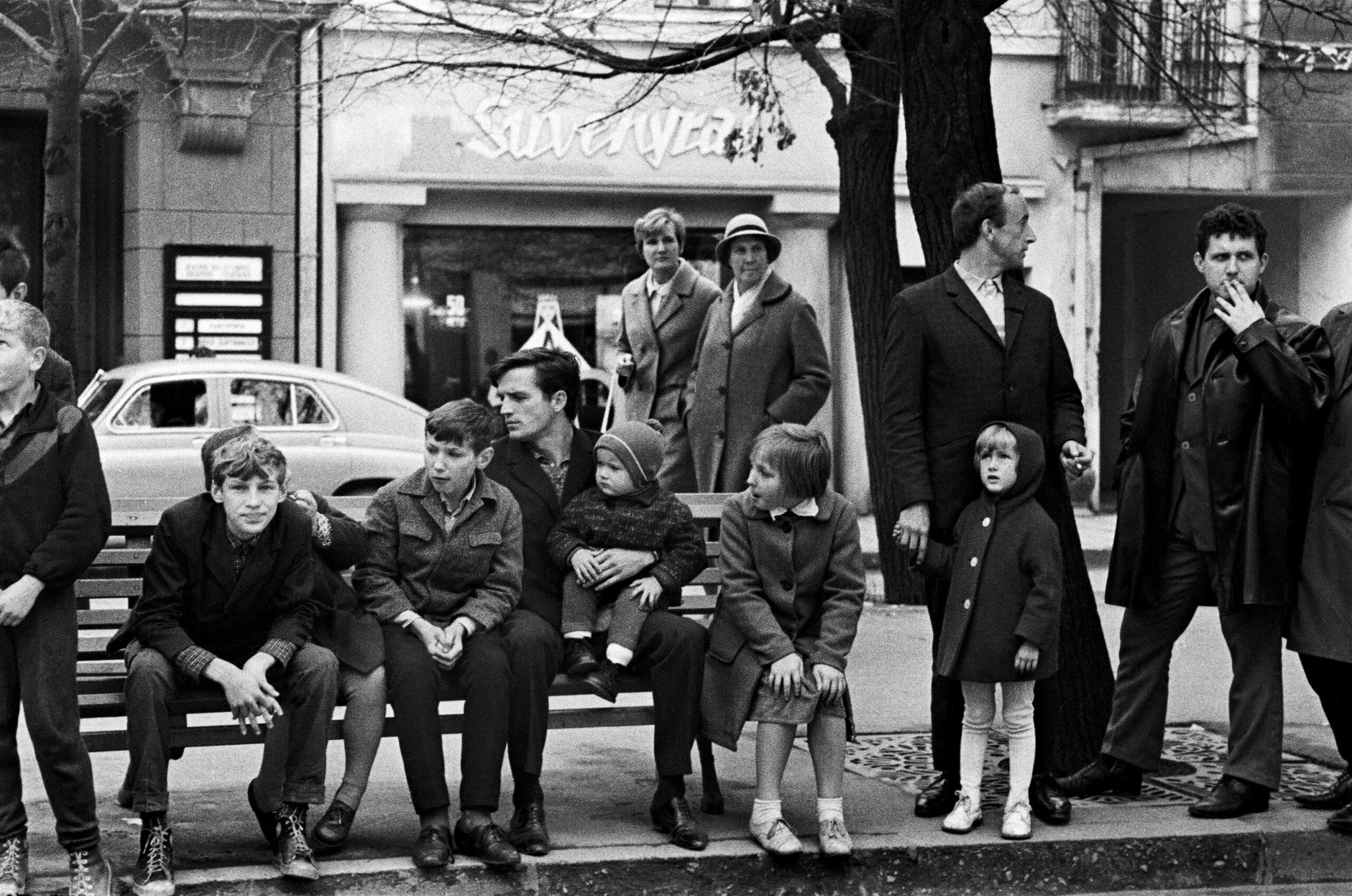
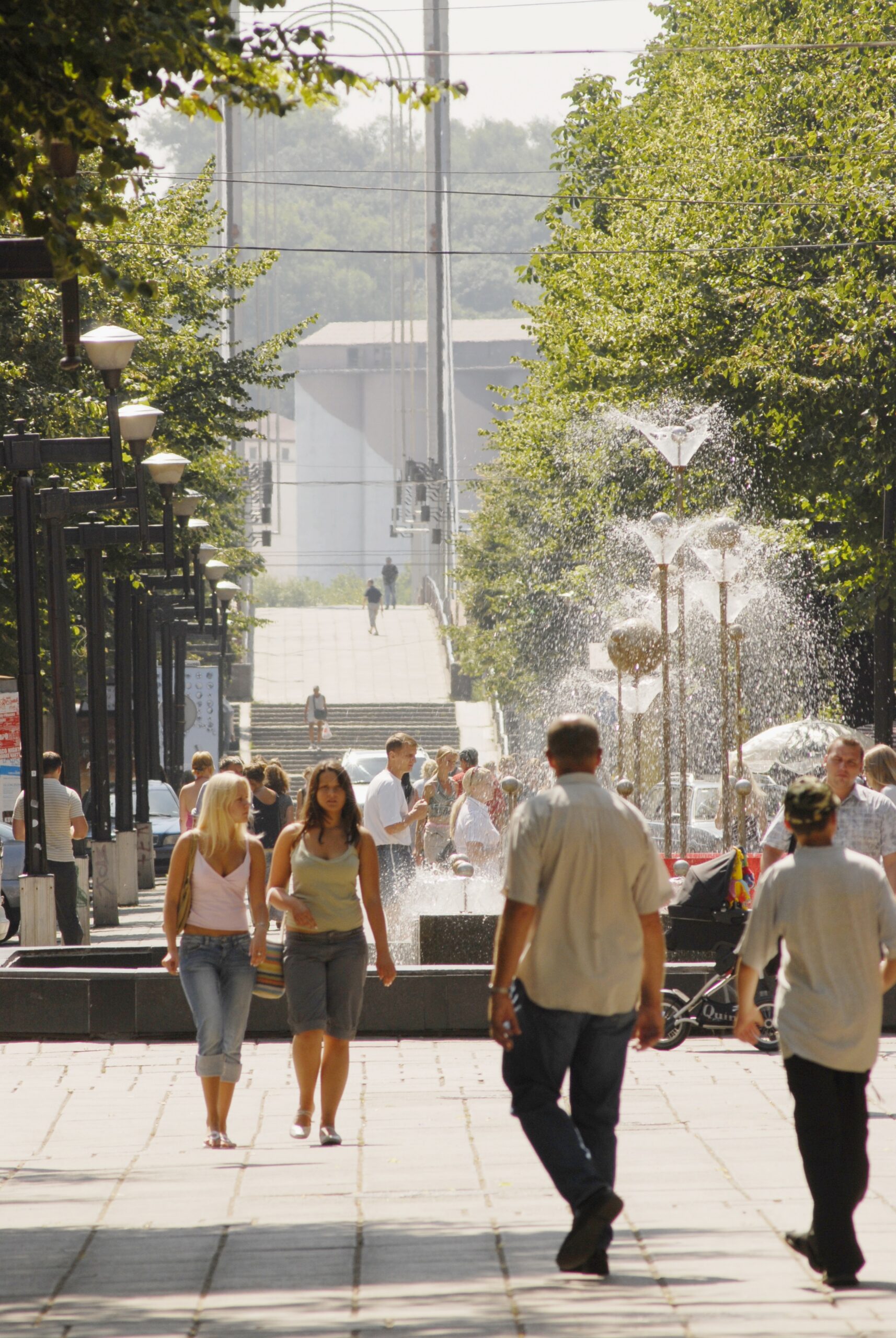
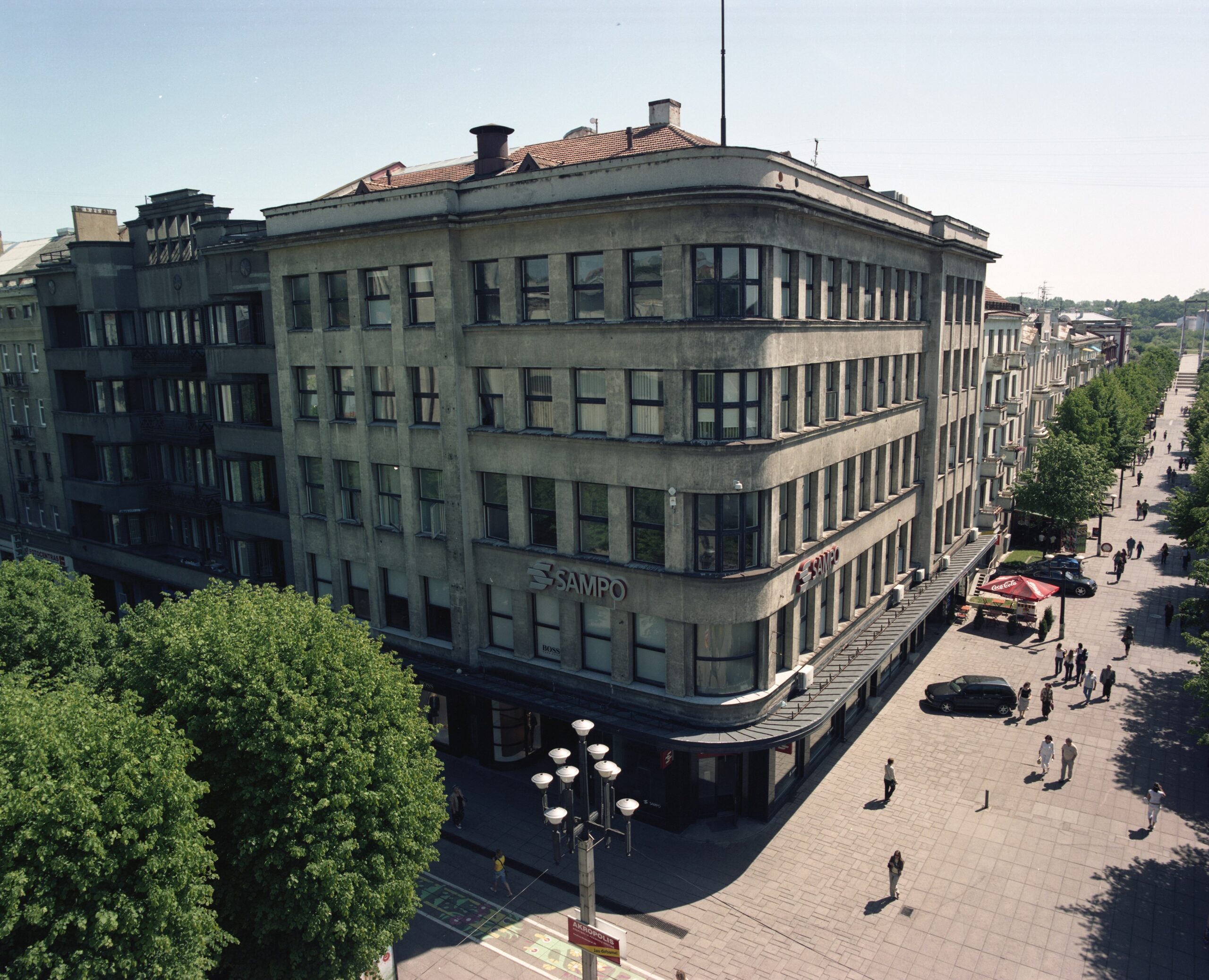
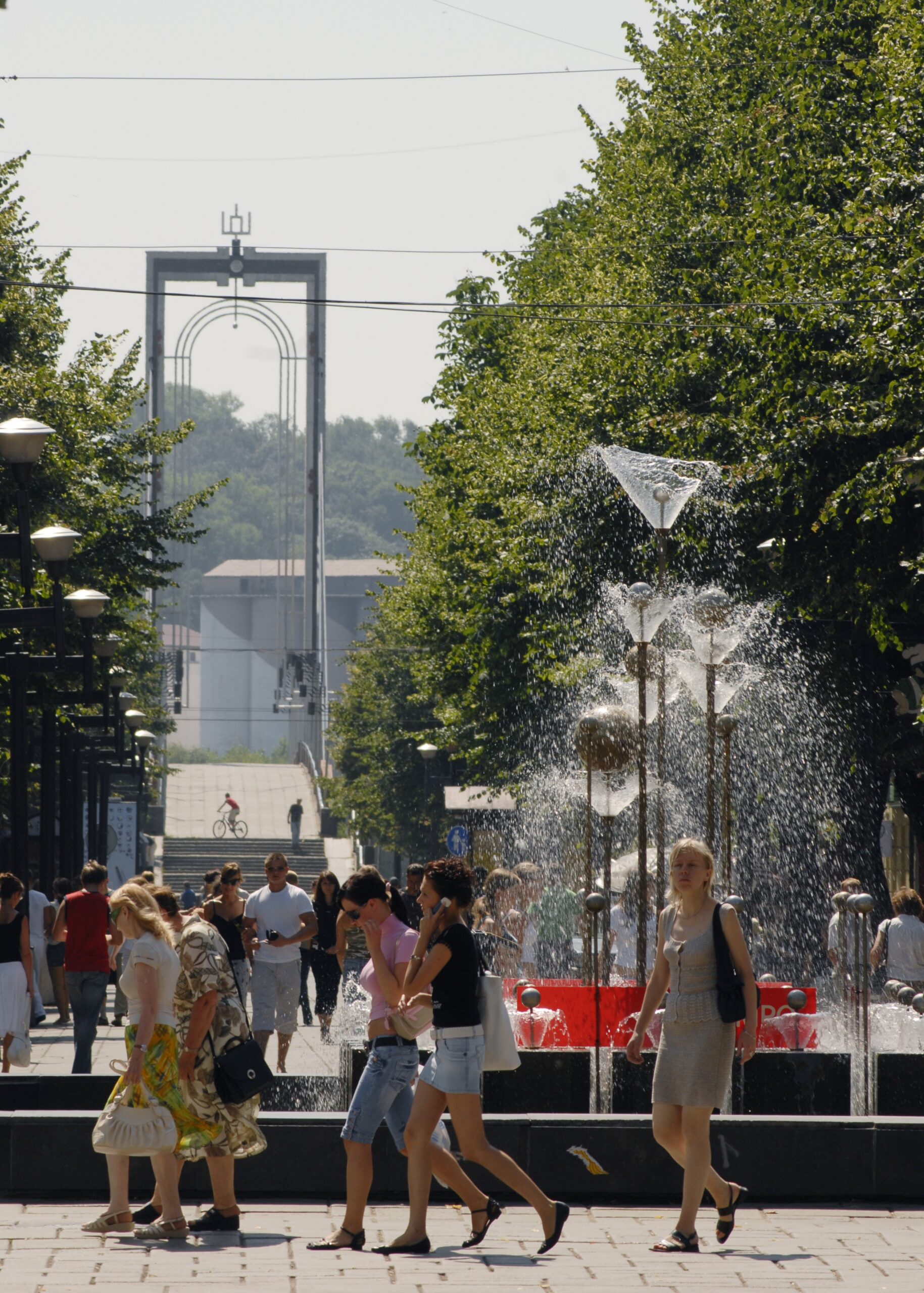
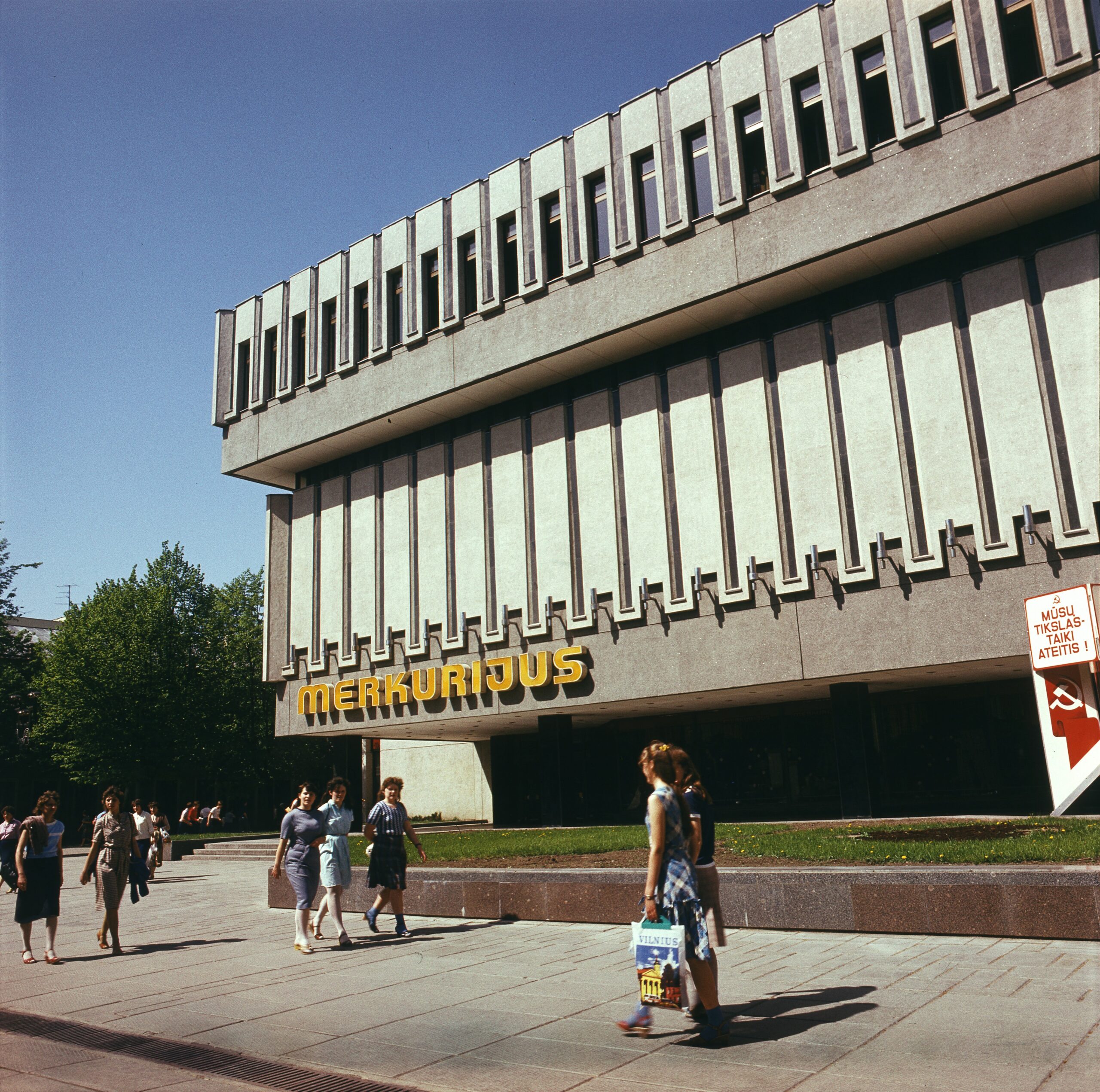
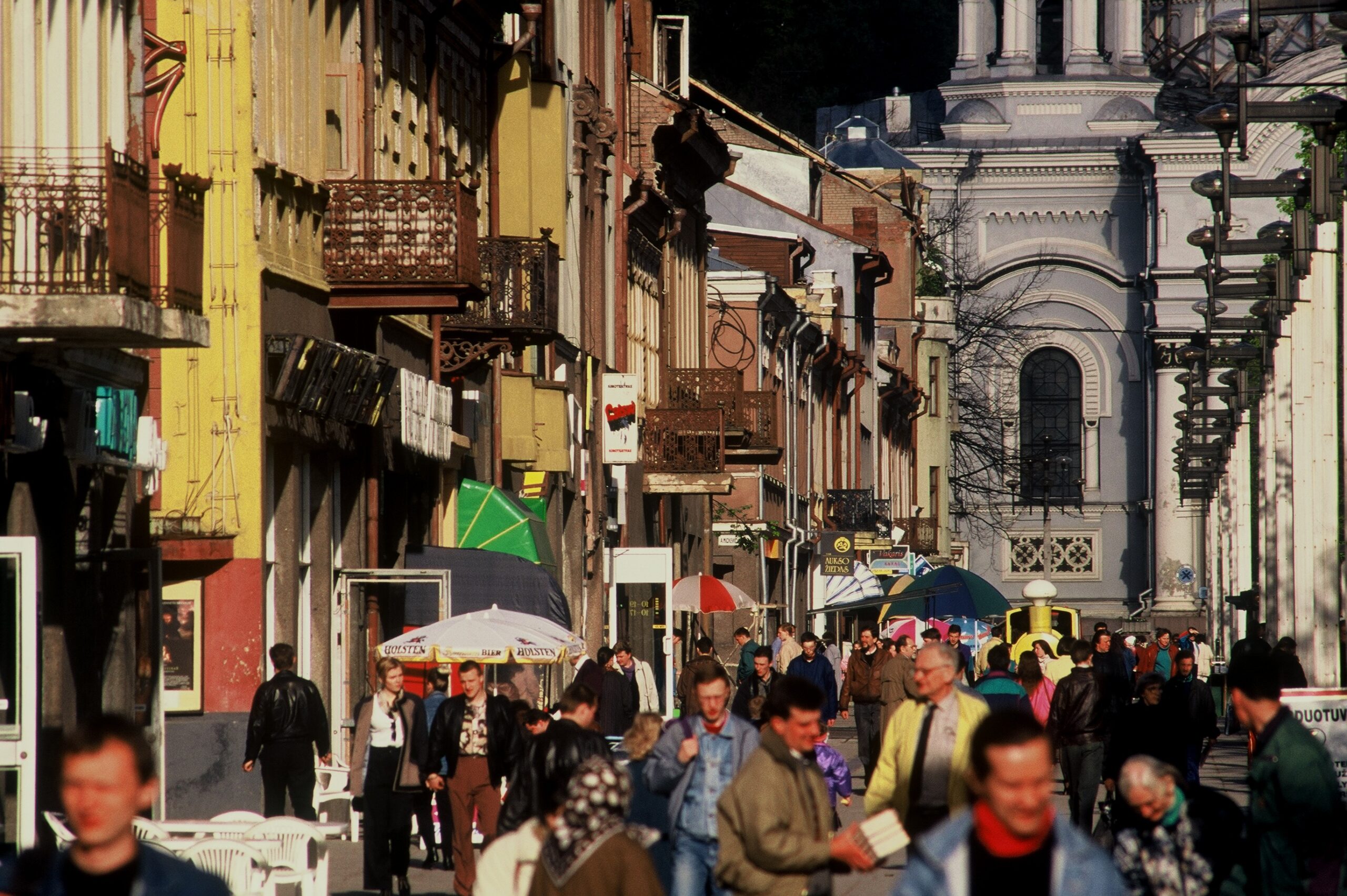
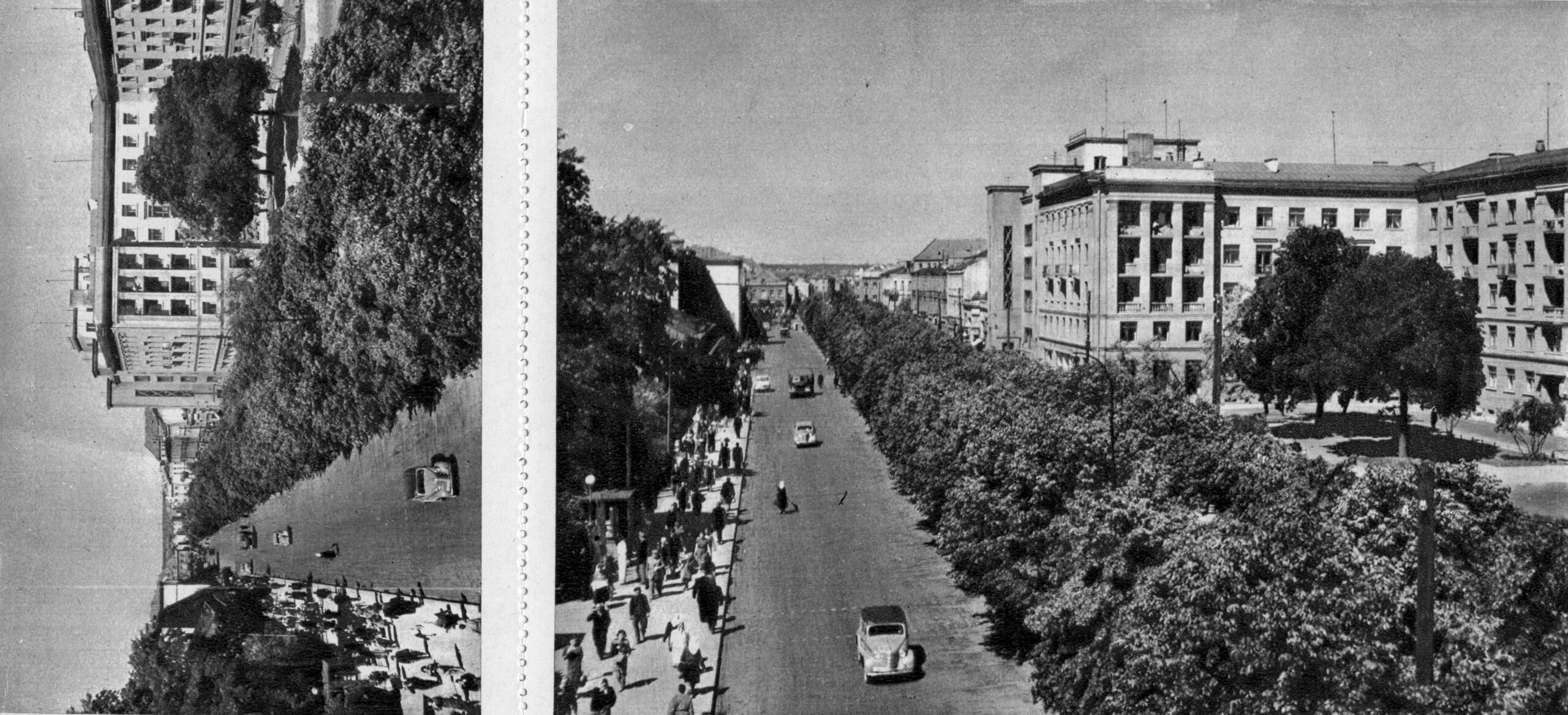
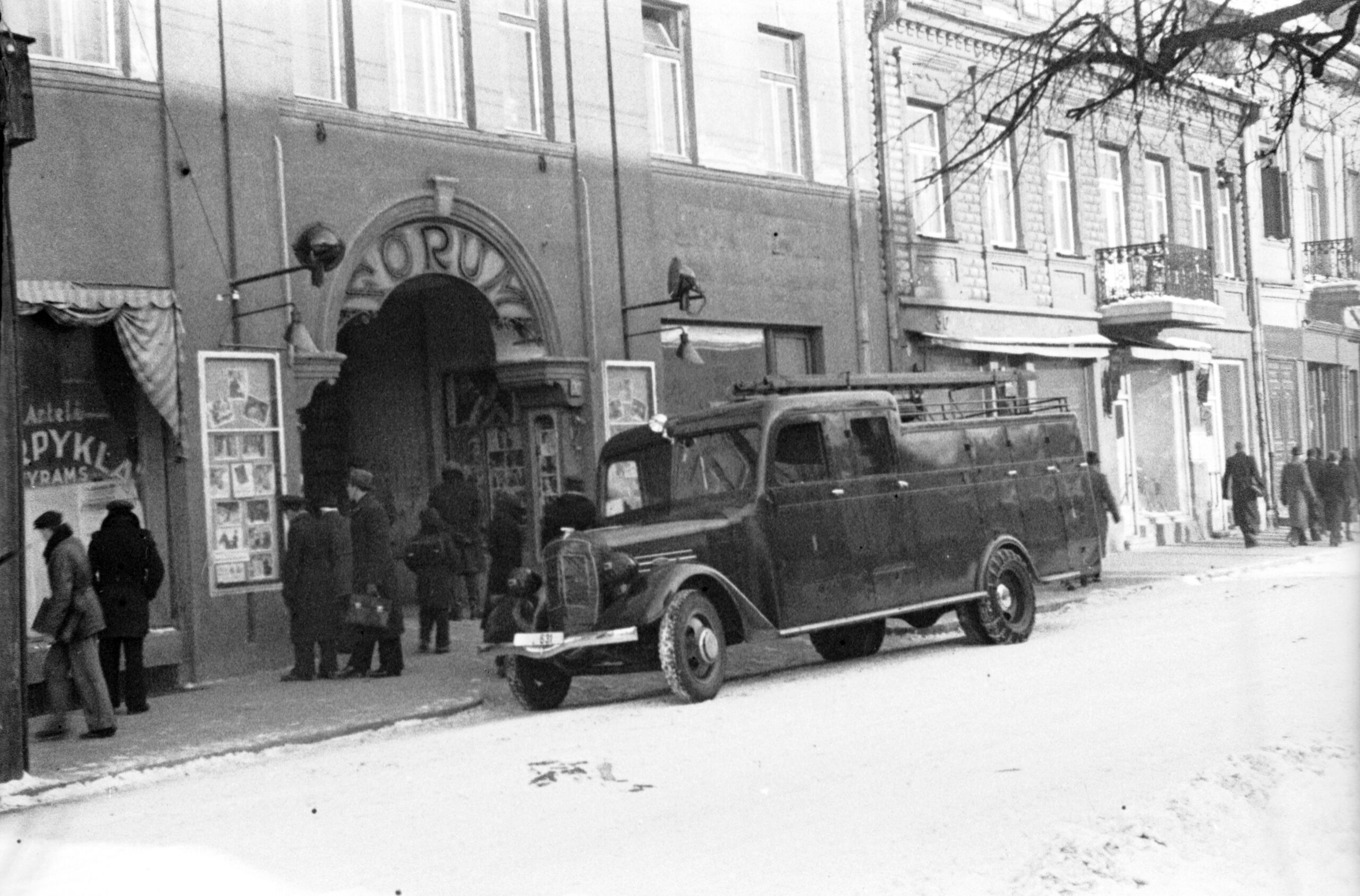
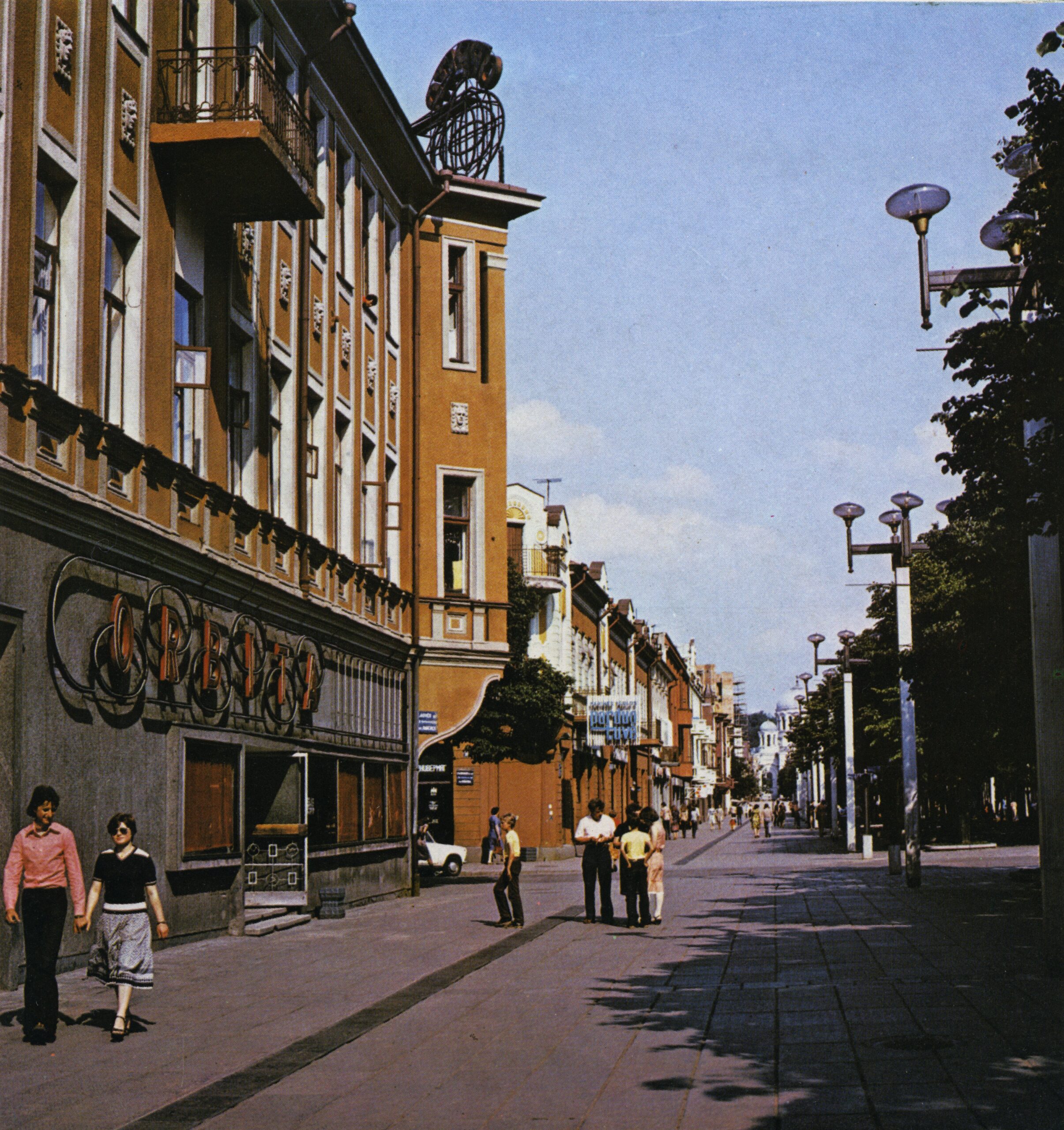
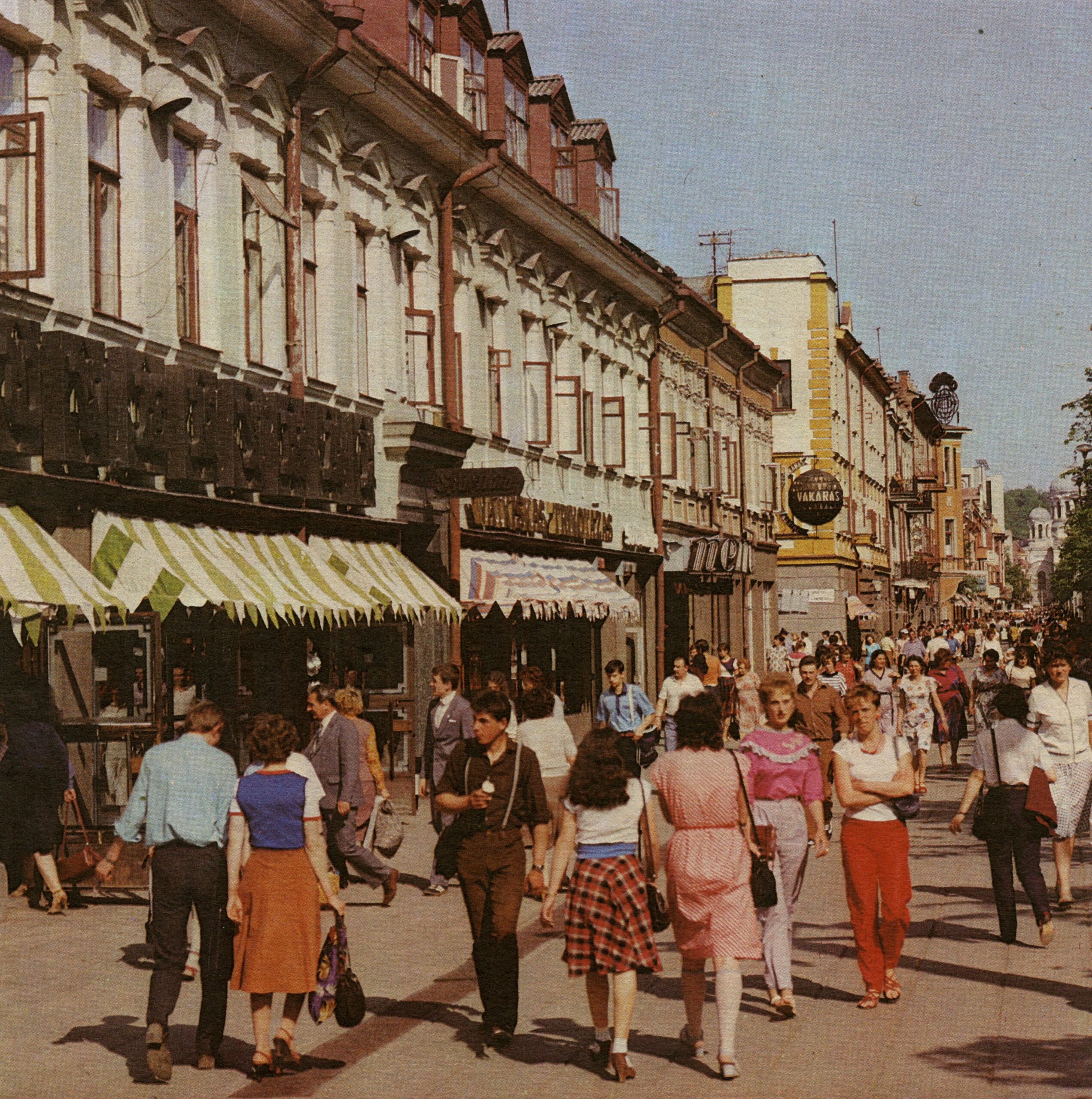
The city expansion started in 1843 with the establishment of Kaunas Governorate. In 1847 the plan of the New Town was confirmed with Nicholas’ Avenue as its main axis. Since the sixth decade of the 19th century, economic and cultural centre of Kaunas gradually started moving from the Old Town to the New Town. During the WWI, the Avenue briefly got the name of Kaiser Wilhelm and in 1919, it changed to Laisvės Alėja (Freedom Avenue). Institutions of trade, catering and culture would centre around it. Despite the fact that horse tramway (and later buses) ran through the streets, it became a favourite rendezvous place for residents and guests of the city to meet and spend time here. From 1946 to 1961, unfortunate fate of being called Stalin’s Avenue fell upon it, and in 1961 the name of Laisvės Alėja was restored. In 1982, the street became a pedestrian area and various accents like the fountain were introduced. Today Laisvės Alėja is changing its appearance again.
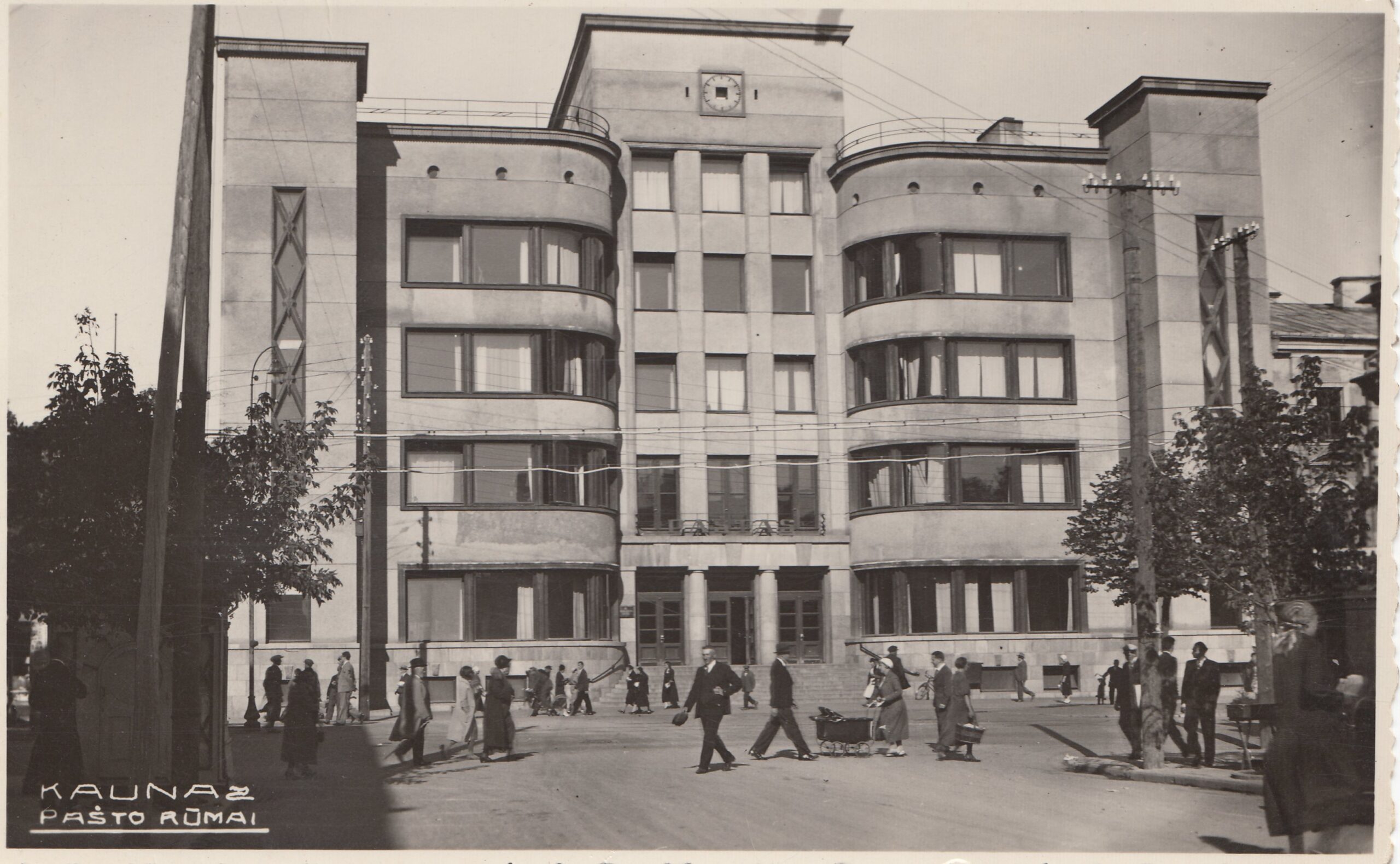
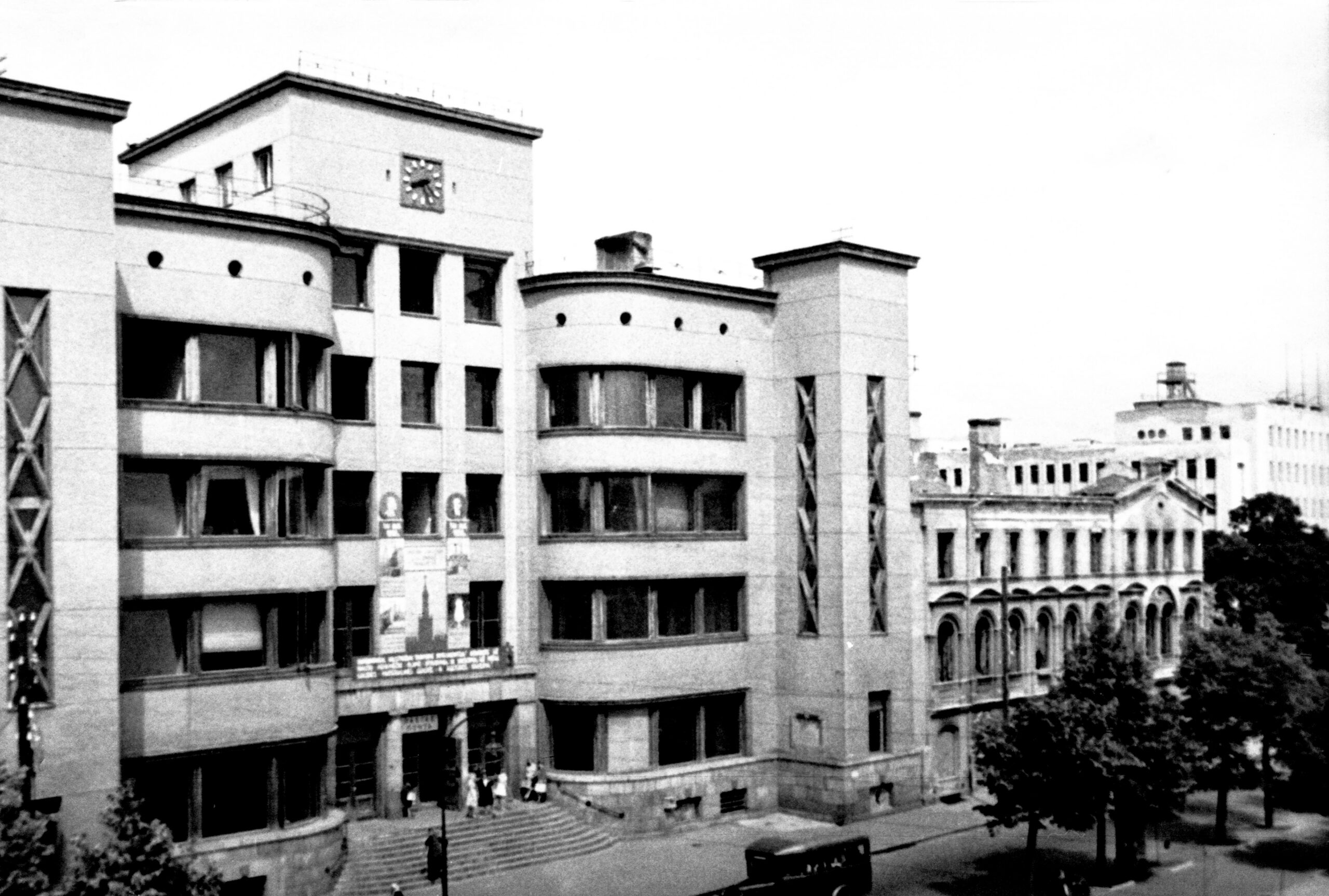
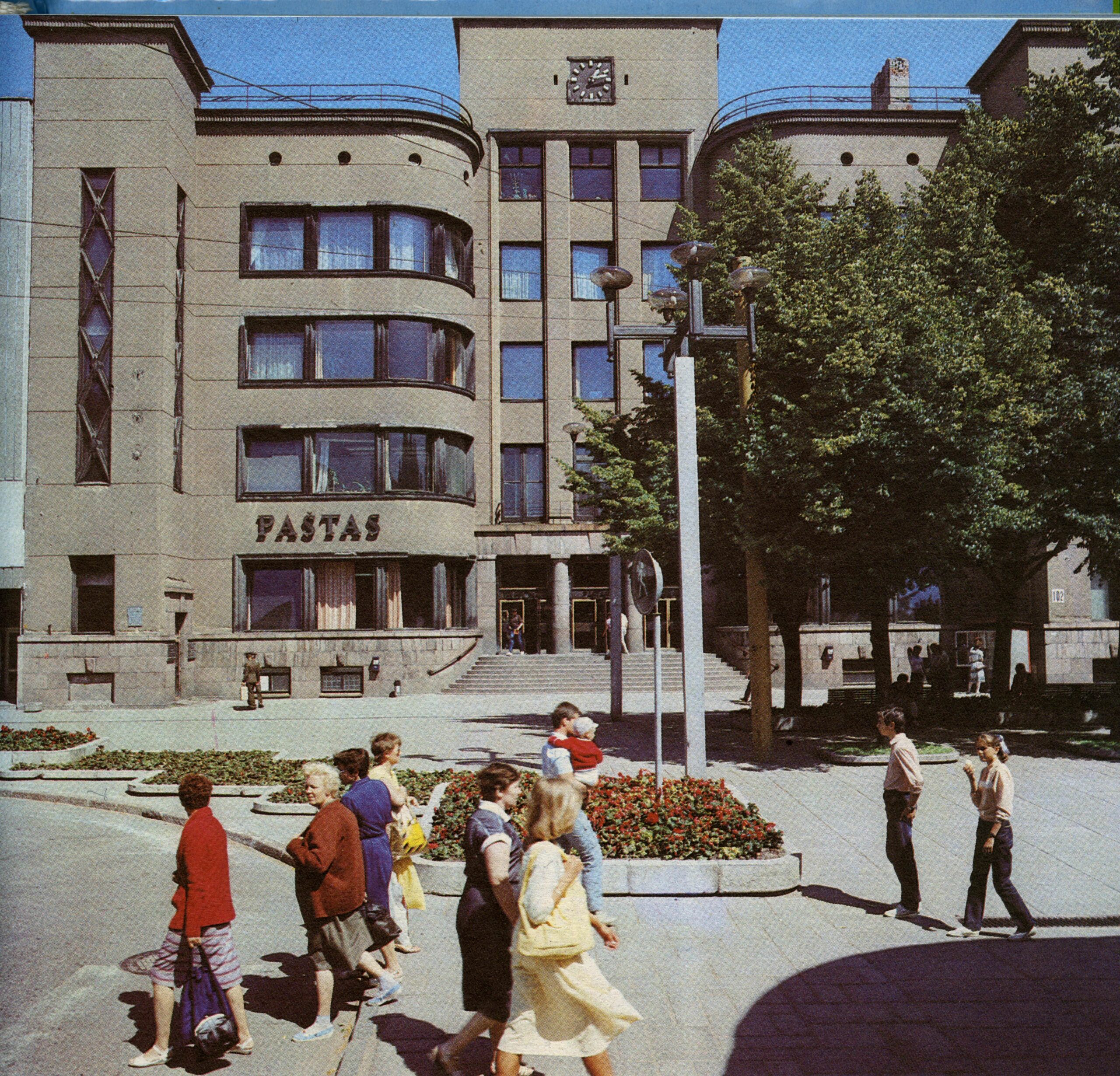
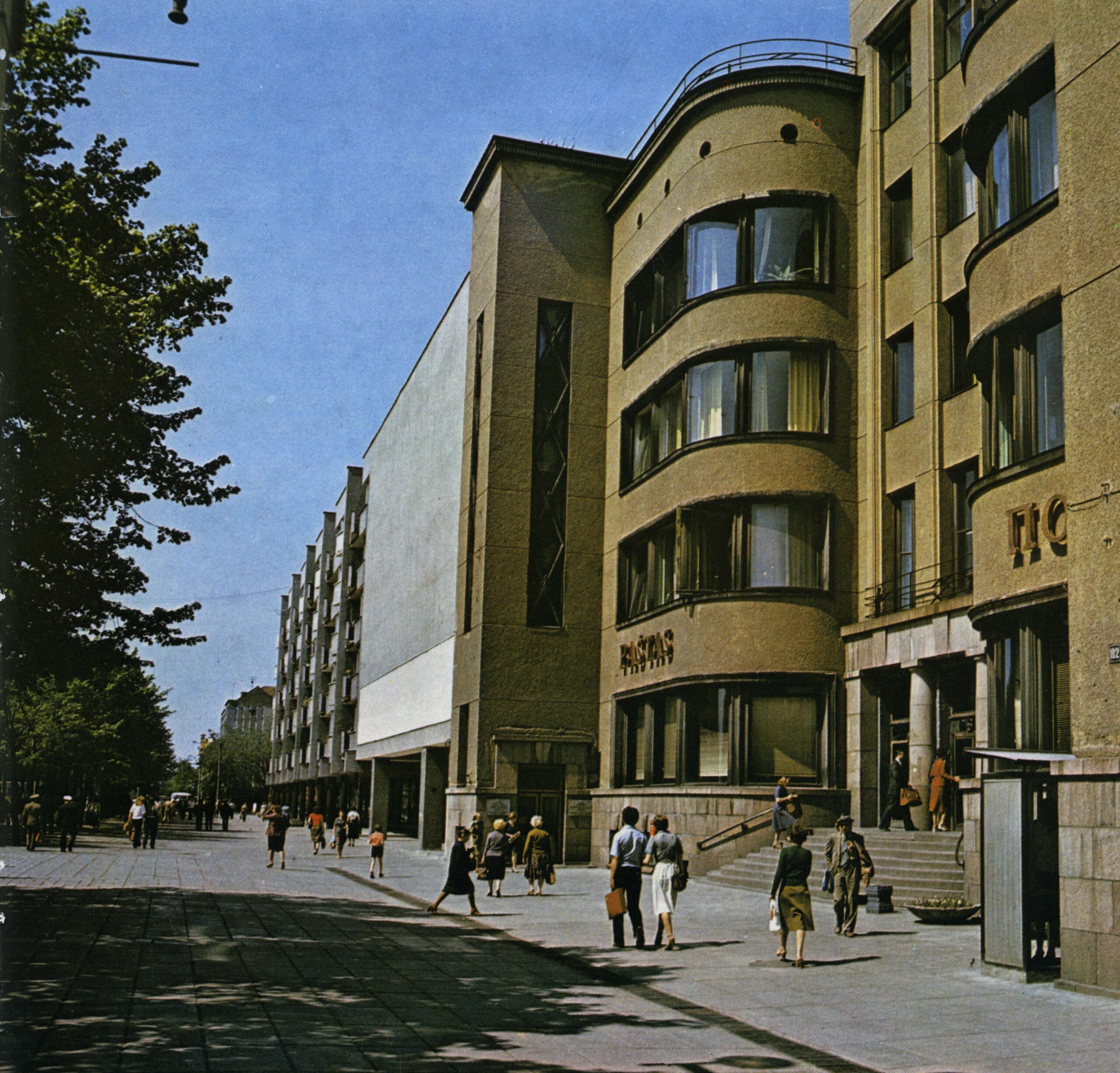
Central Post Office5
During the times of Kaunas as the temporary capital, the central post office was established in a tsar-era building that could no longer meet its growing needs. The talks about the construction of the new post office started as early as in 1924, but the works themselves started only in 1930. Built within two years and based on the project by architect Feliksas Vizbaras, the new Central Post Office building became one of the most important representative buildings in Laisvės Alėja. In 1935, electronic clock was installed at the top of the main façade and made passers-by look up and see the five-storey building that was considered a skyscraper of Kaunas in those times. The building performs some of its initial functions to this very day.
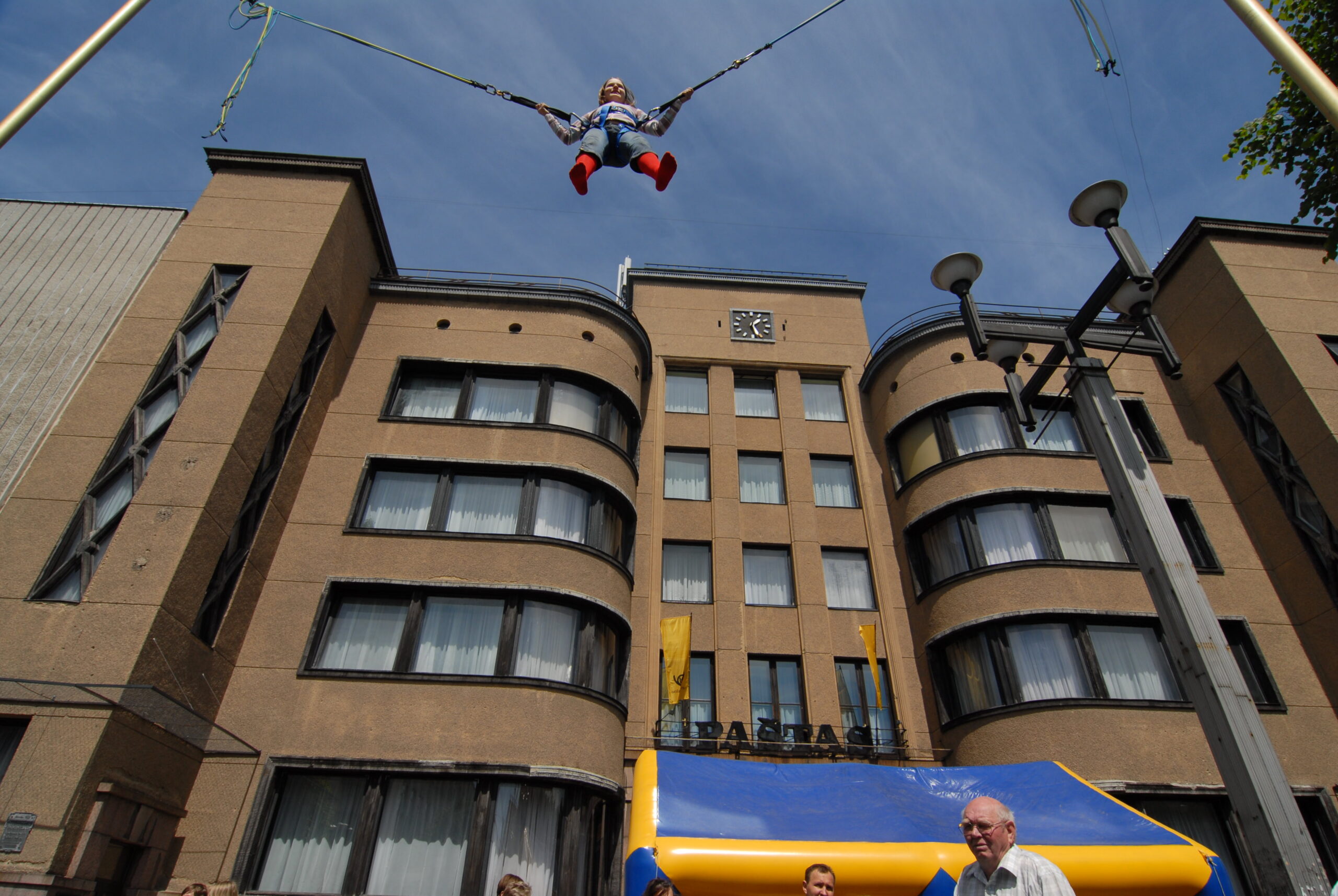
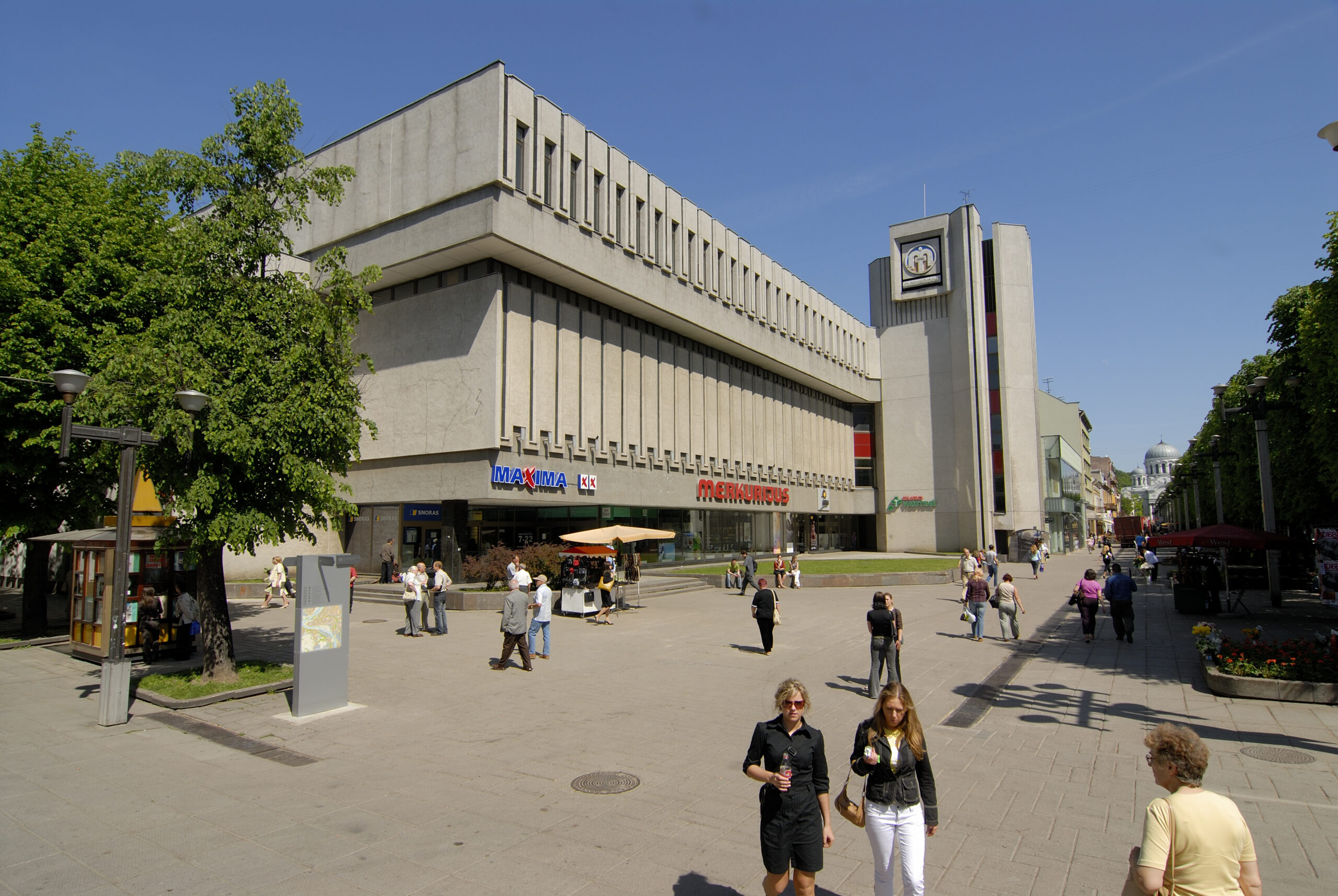
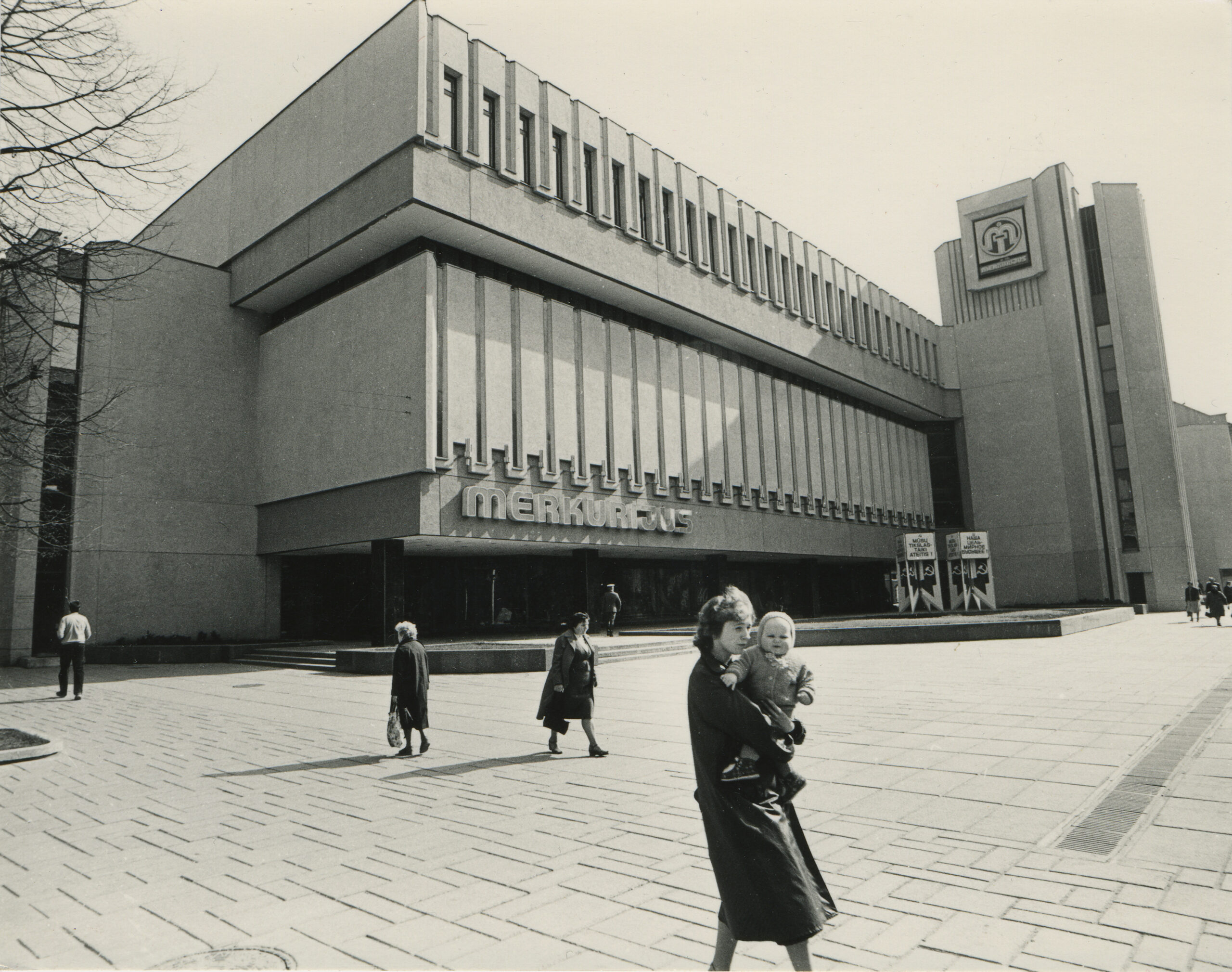
„Merkurijus“6
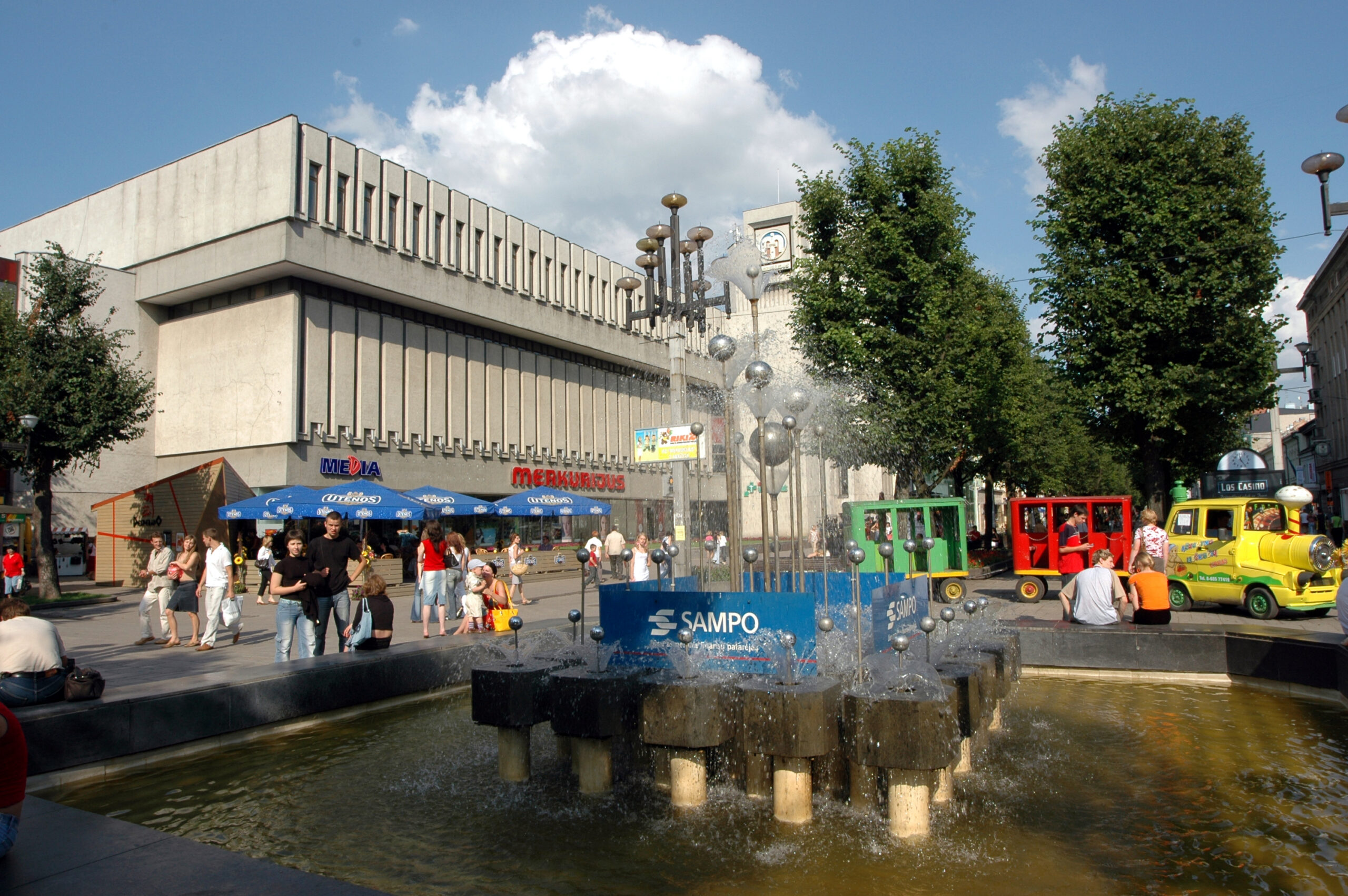
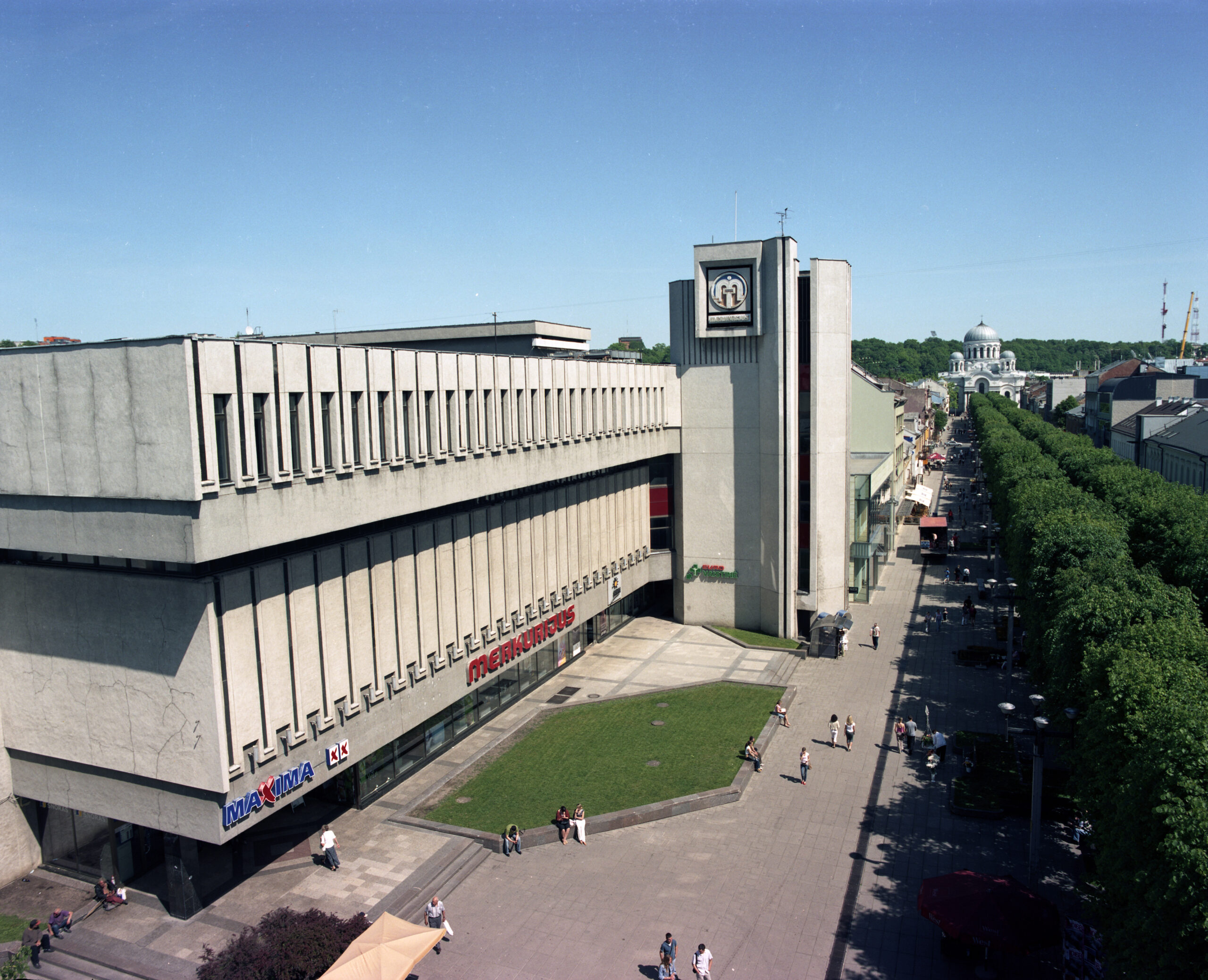
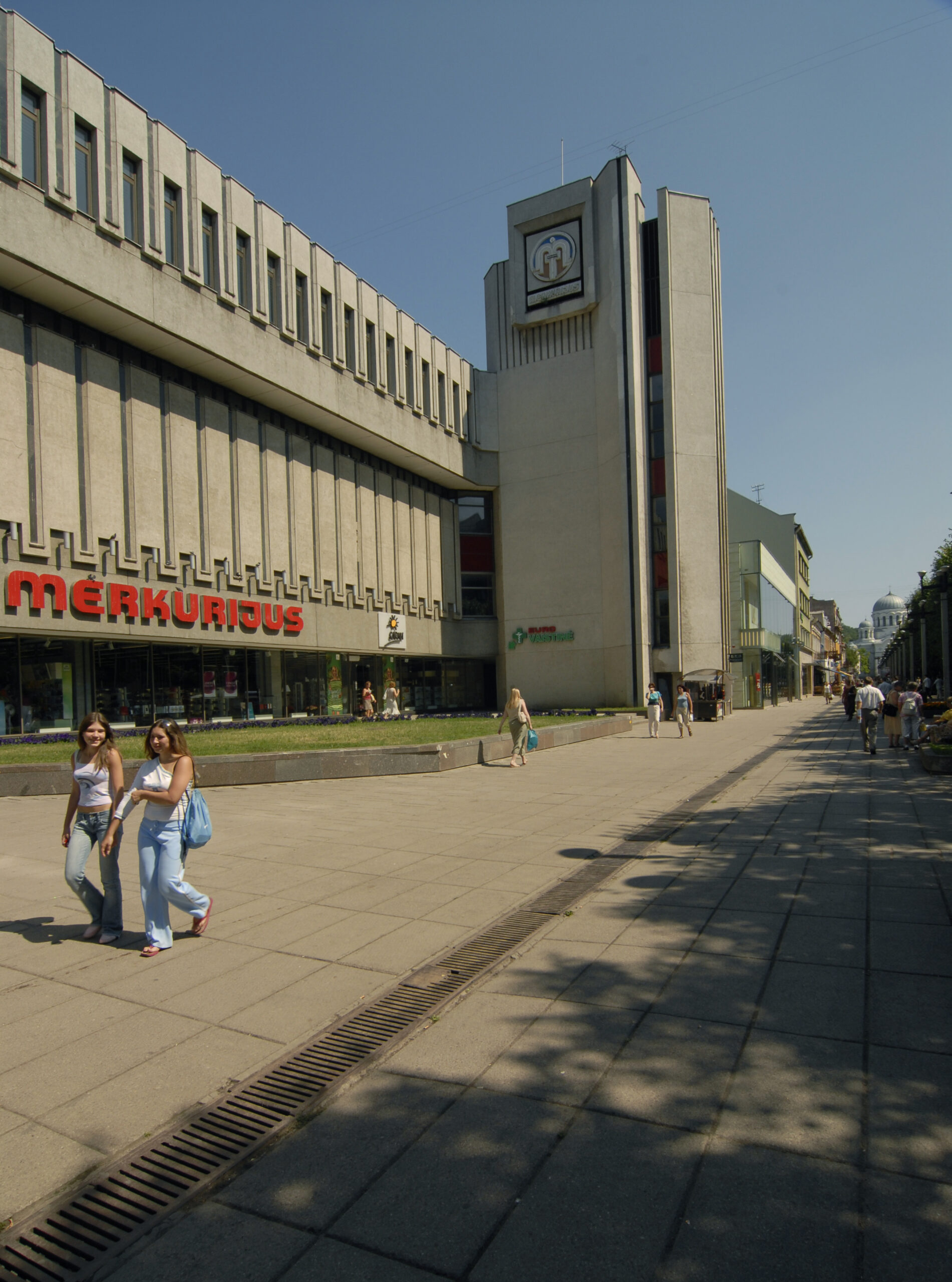
Vienybės aikštė (Unity Square)7
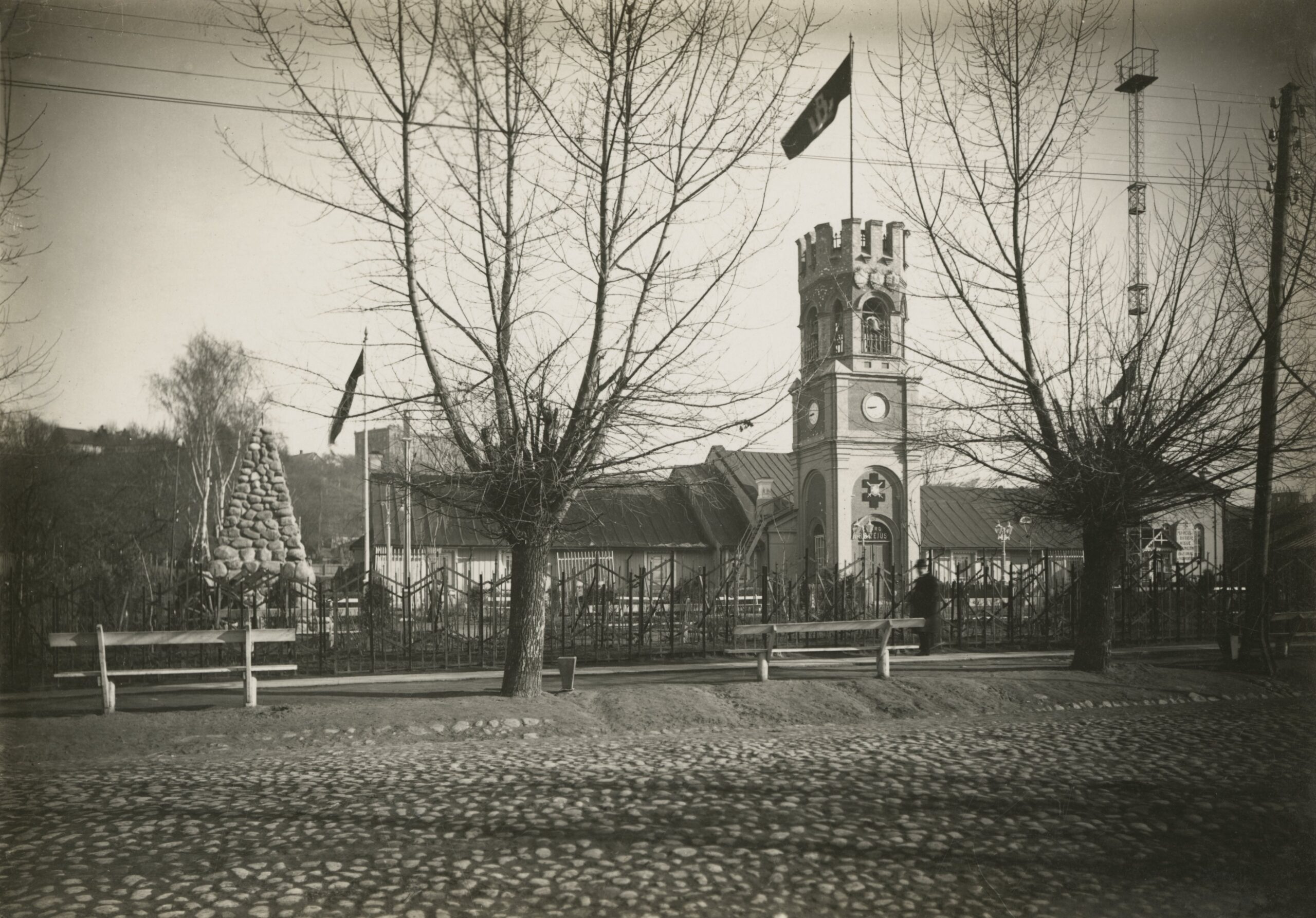
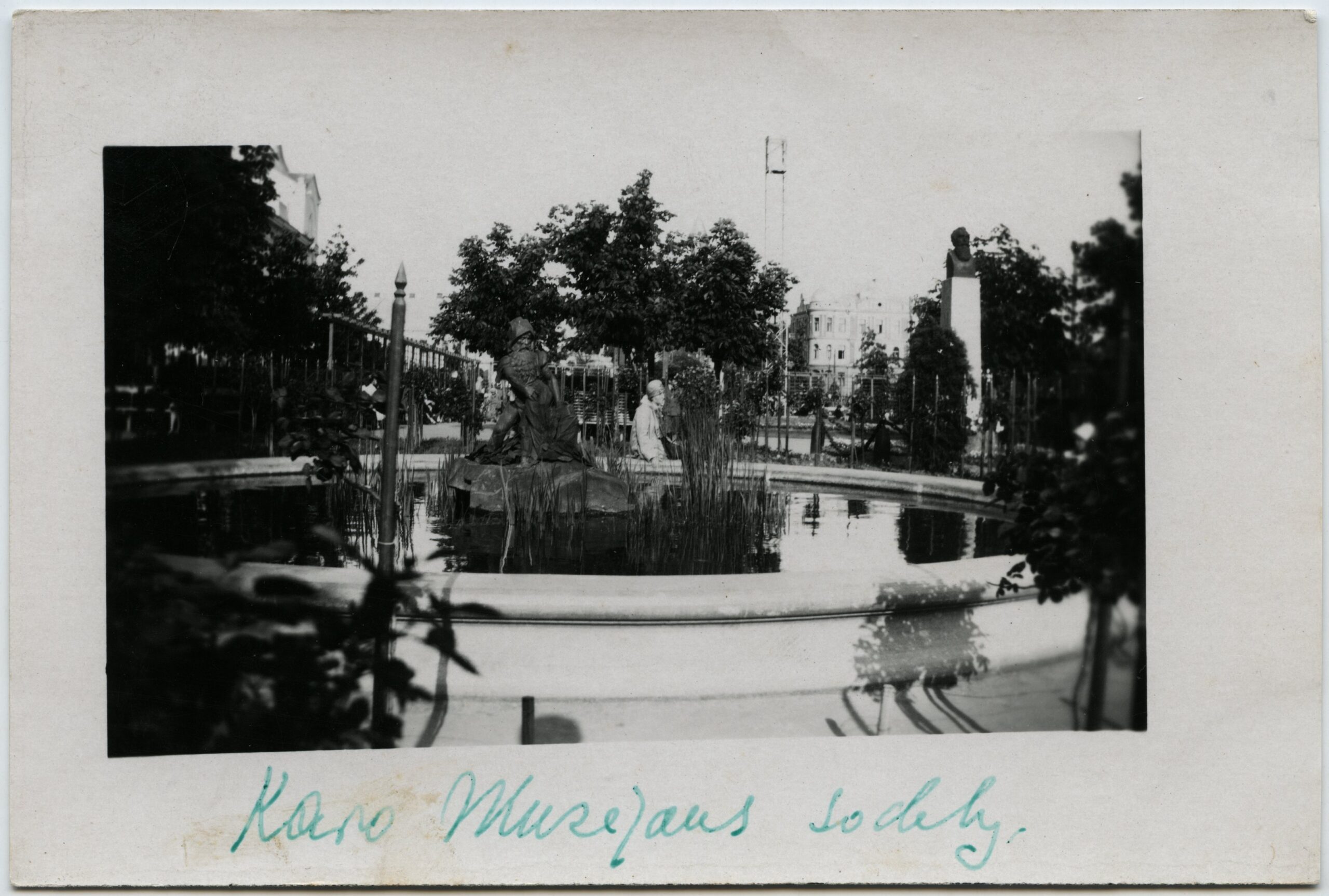
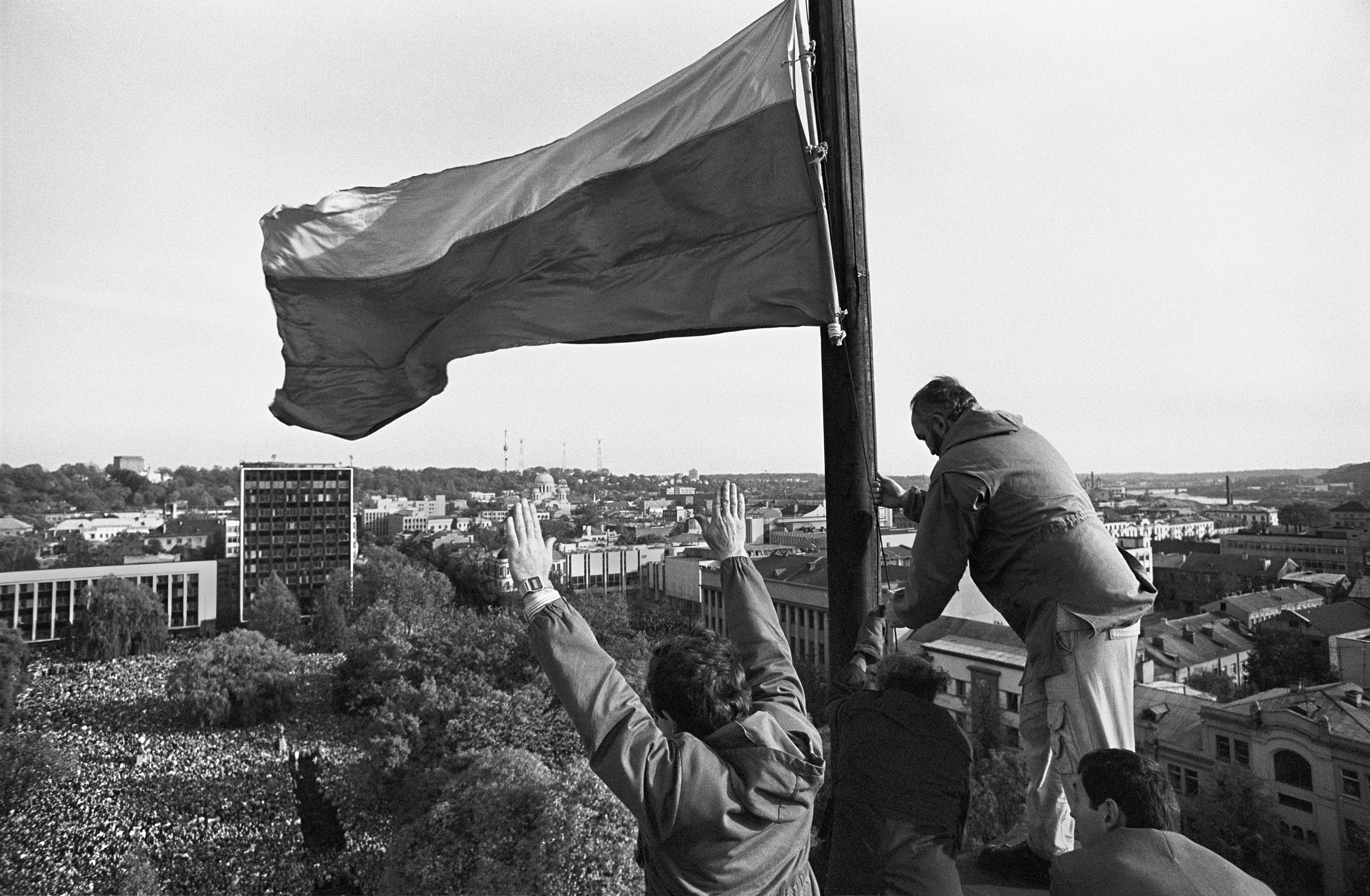
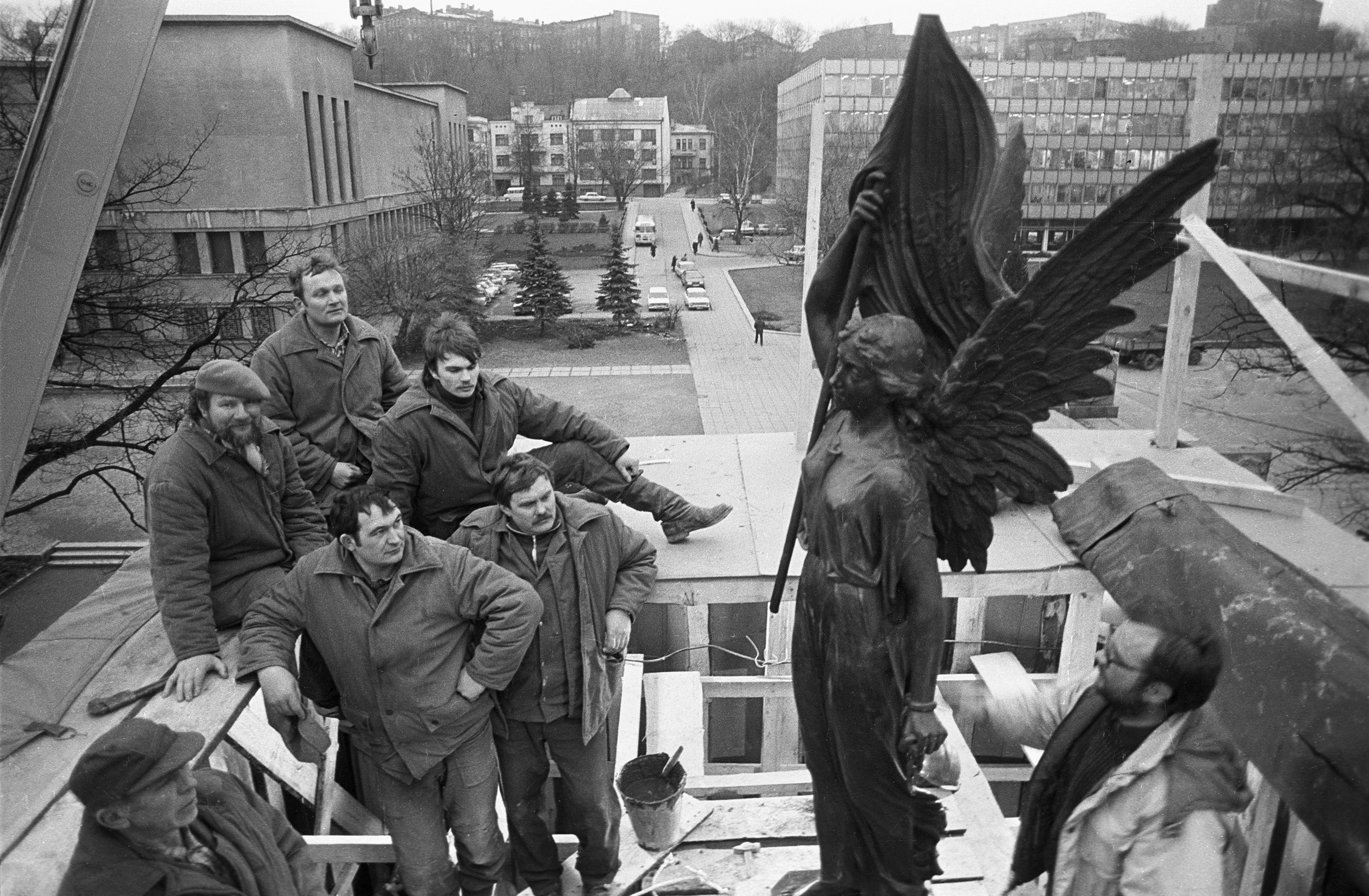
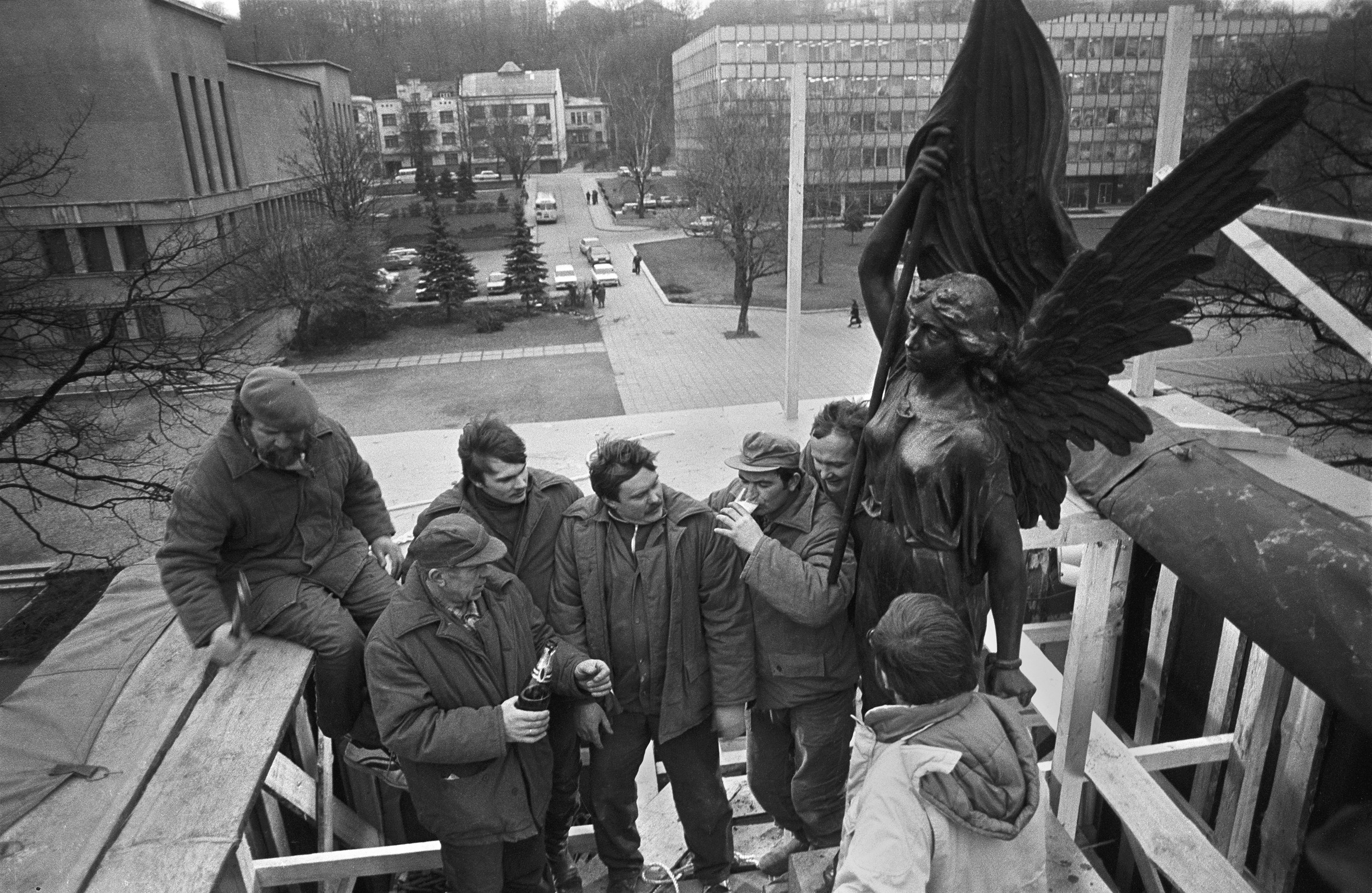
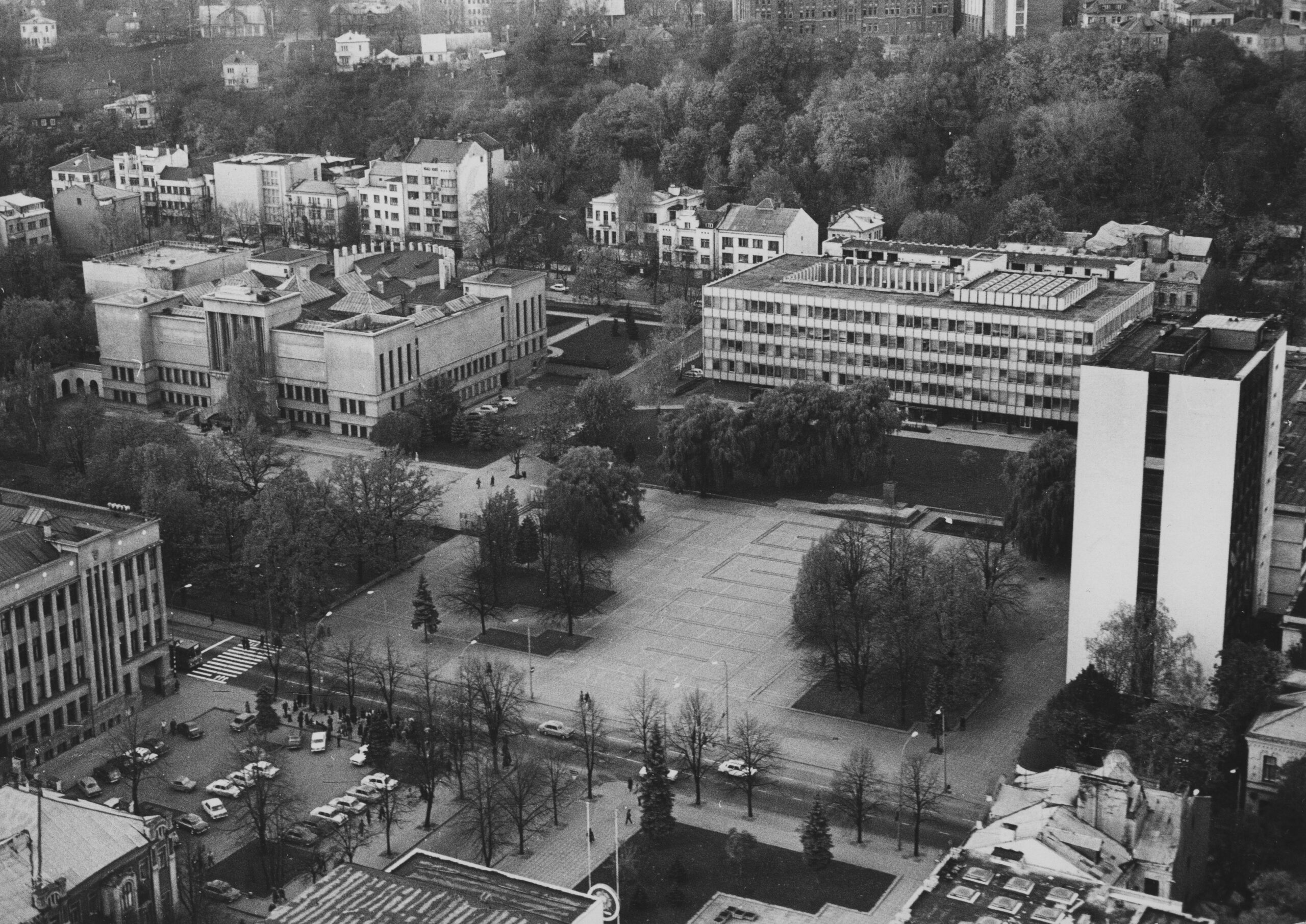
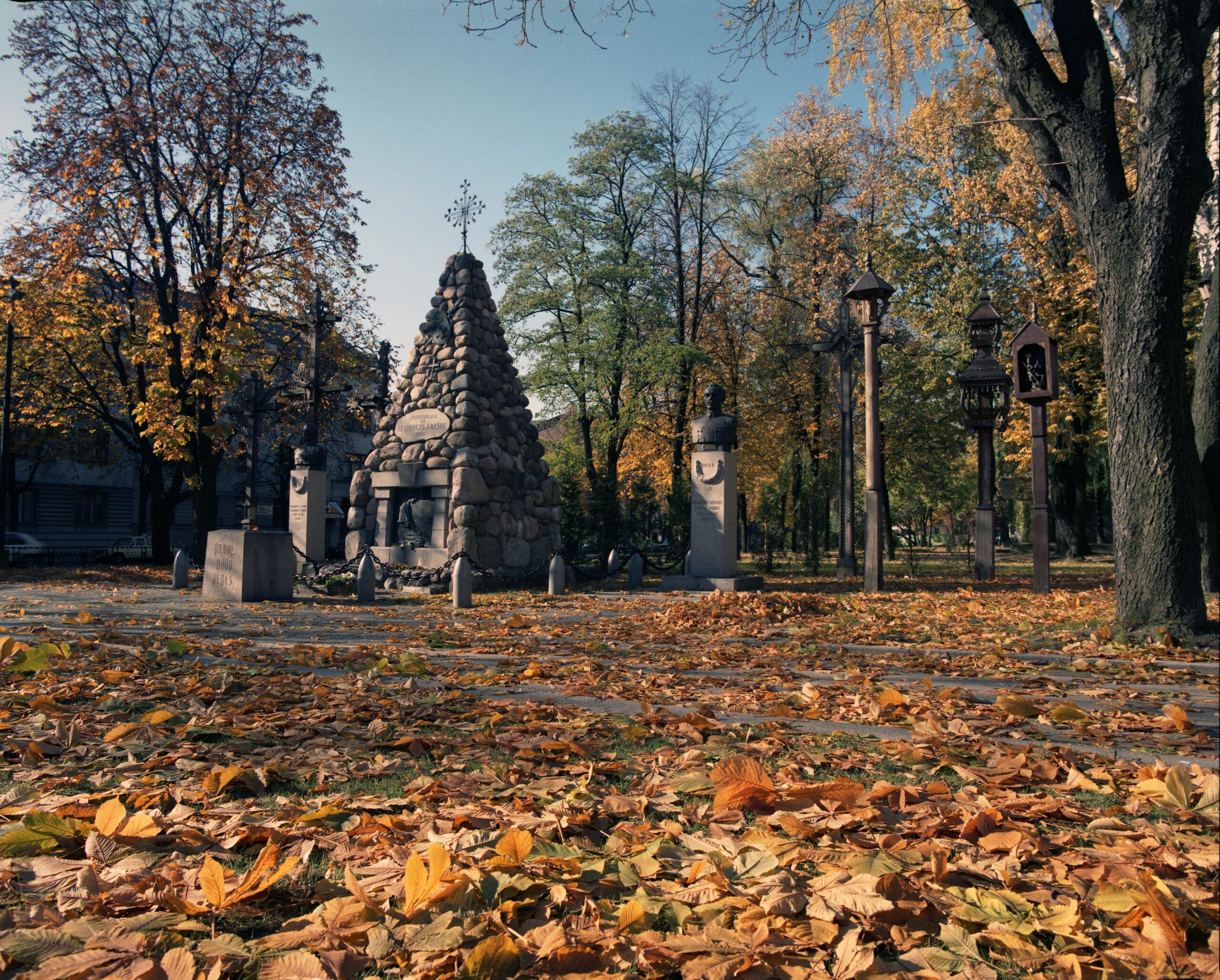
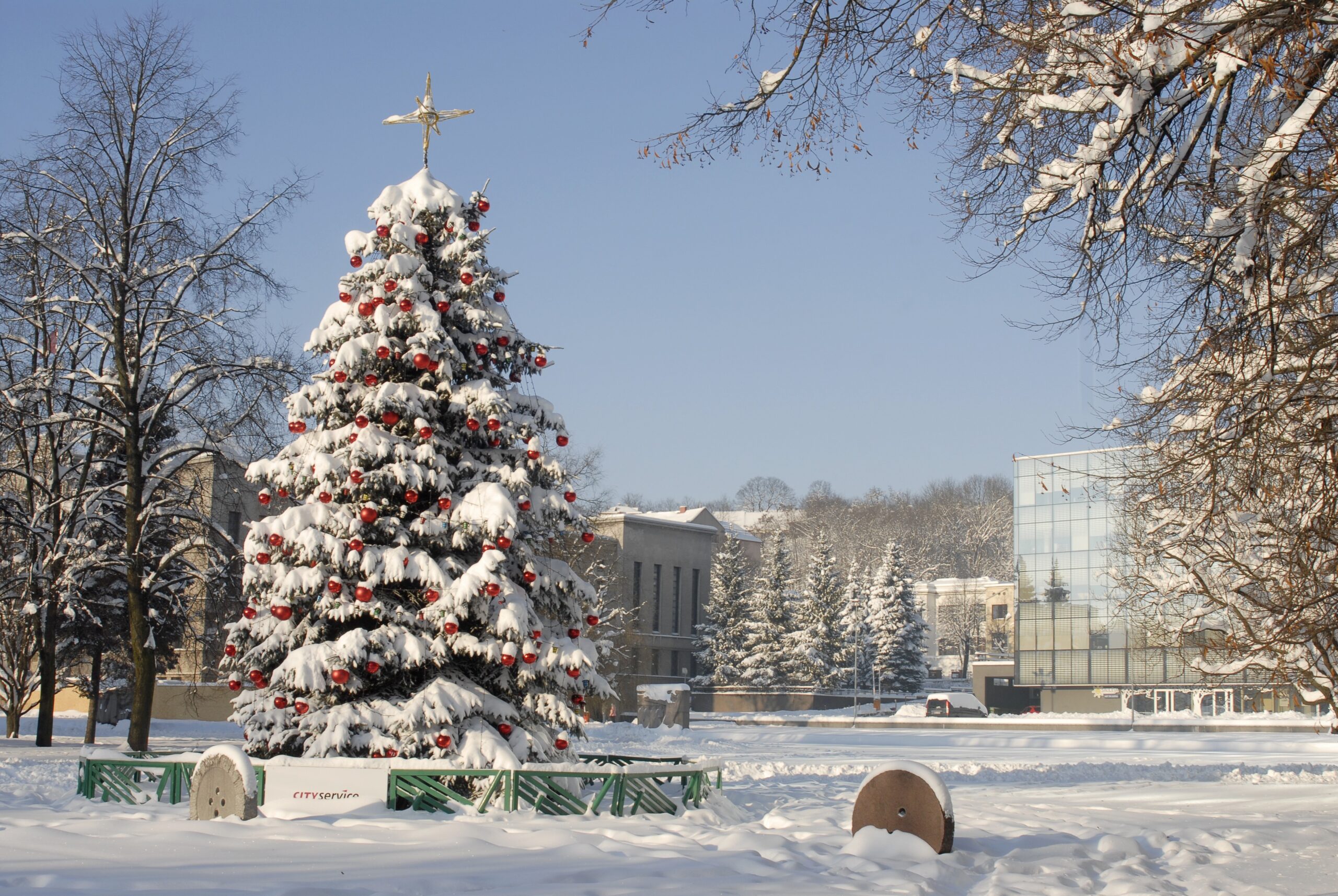
The history of the Unity Square started in 1847, when the plan for the New Town of Kaunas was confirmed. Markets used to take place in this newly formed square, so the square was called the New Market Square. It has gotten its current name (Vienybės aikštė) in the 1920s. There is the War Museum on the west part of the square. In 1921, a monument for those who died for the independence of Lithuania was erected in the garden of the Museum; in 1928, it was joined by the Freedom monument, and in 1934, the Grave of the Unknown Soldier joined the composition. The square became the place, where city-level and national commemorations would take place. After WW2, the Soviets destroyed the ensemble in the garden of the War Museum; it was restored only in 1988–1989. Up until then, the most important accent of the reconstructed square had to be the Lenin’s monument.
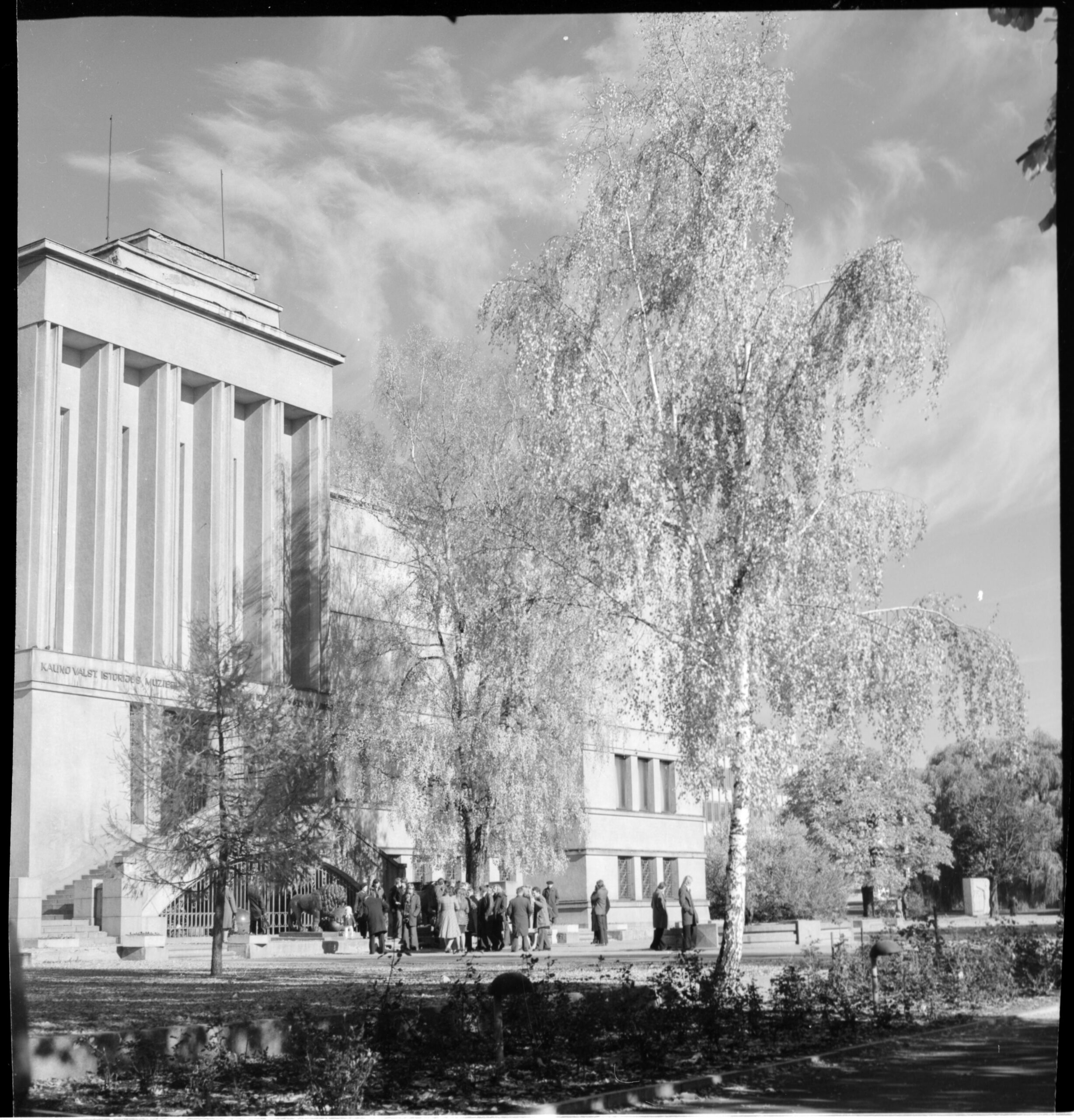
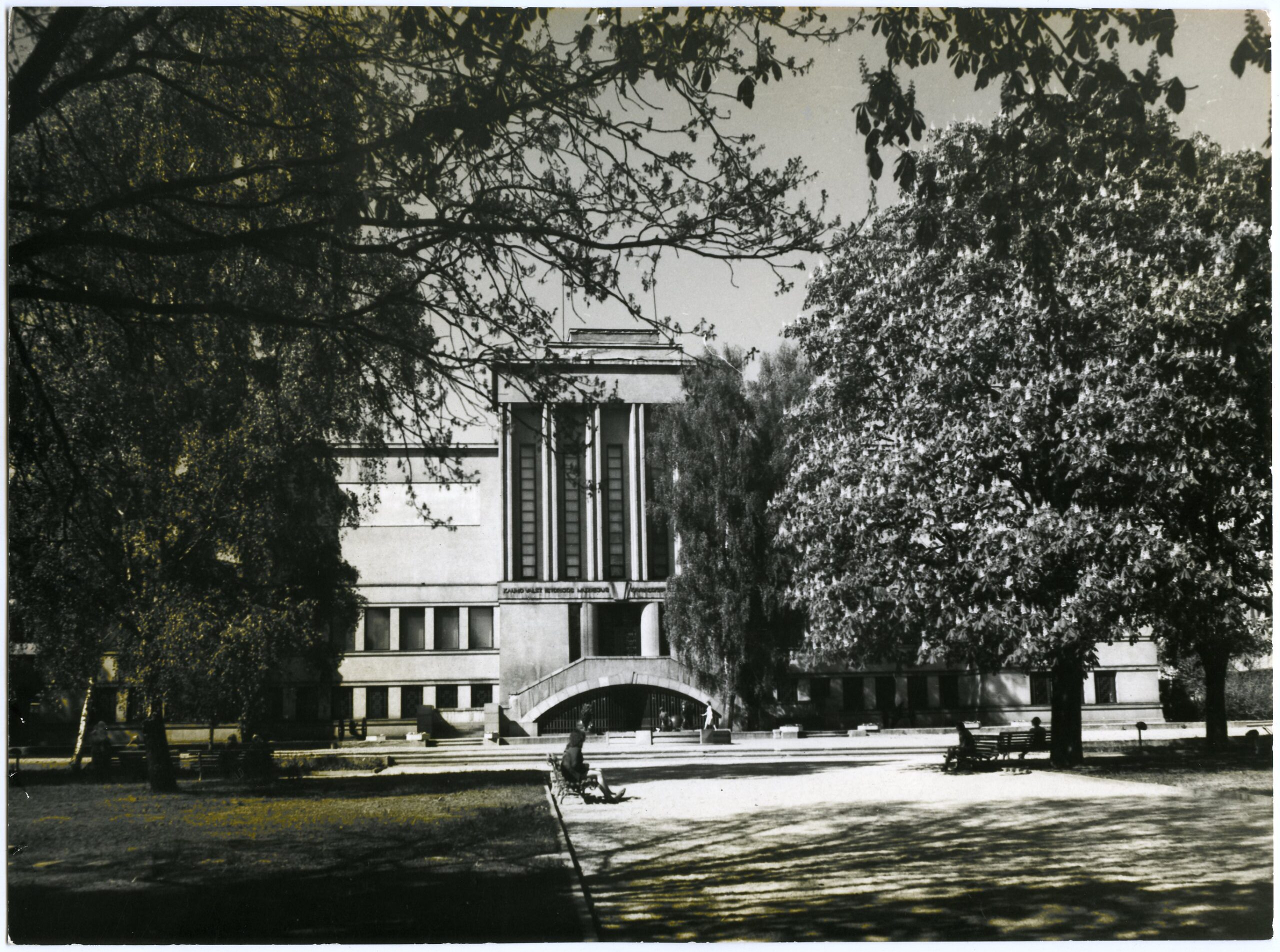
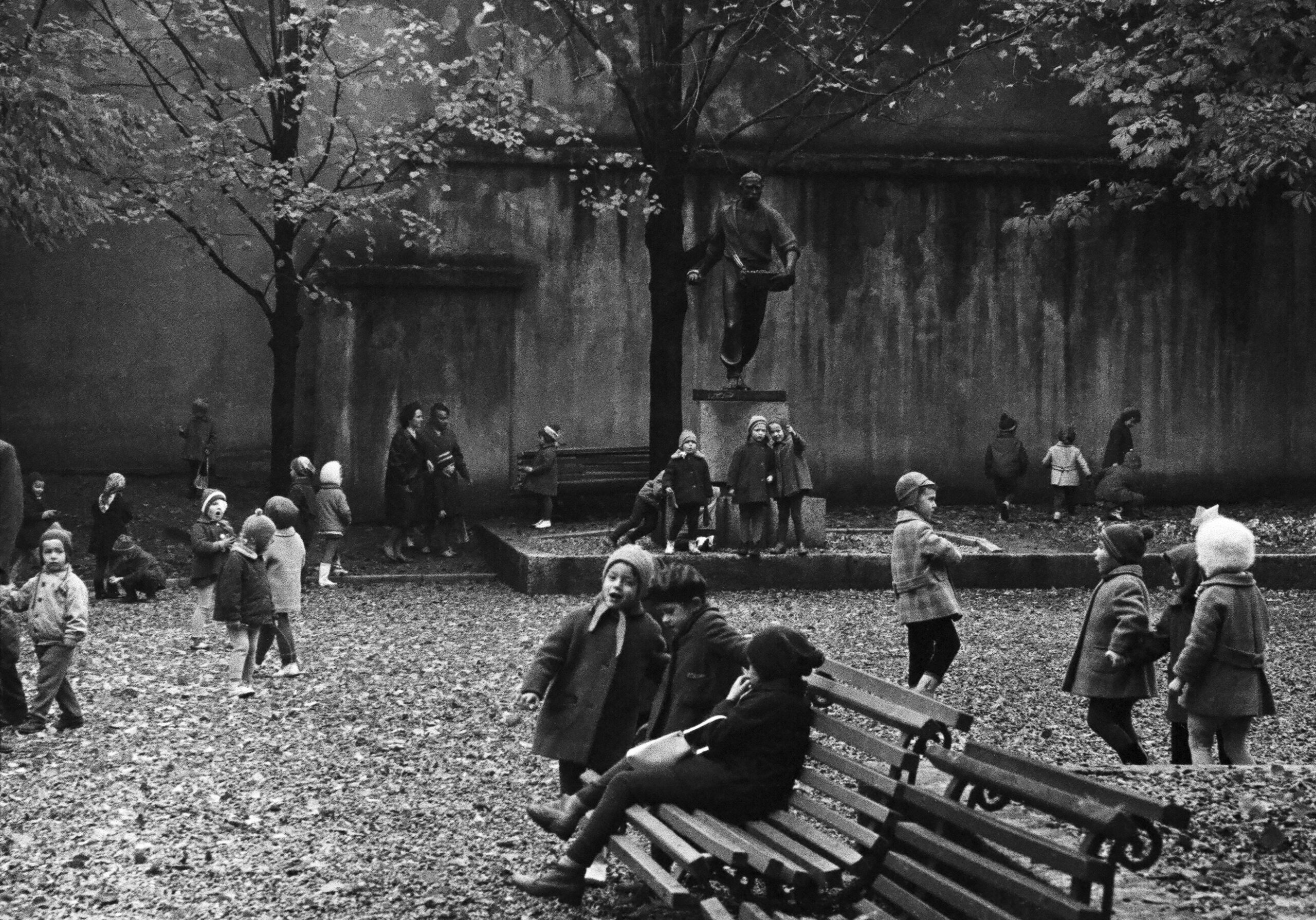
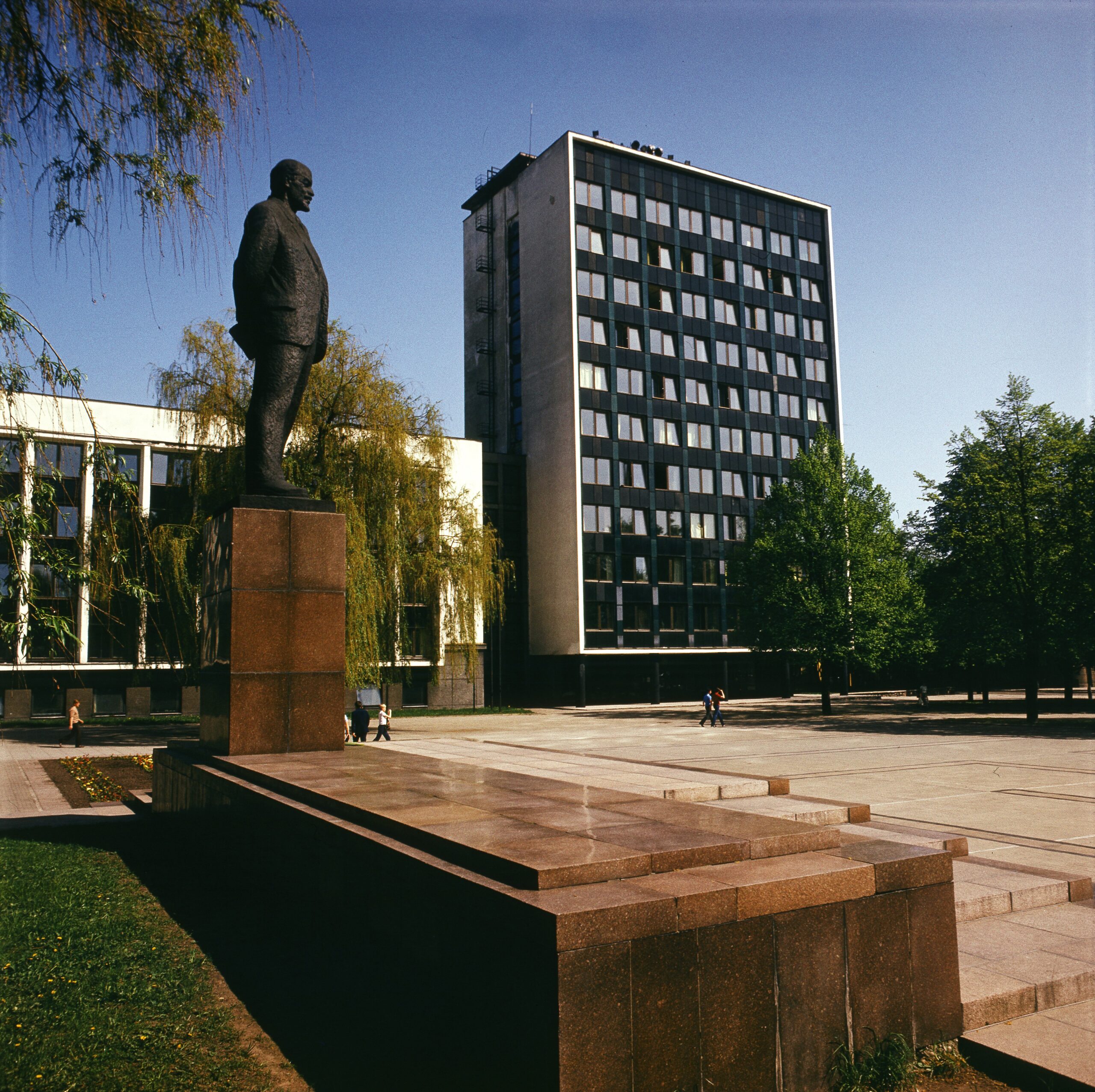
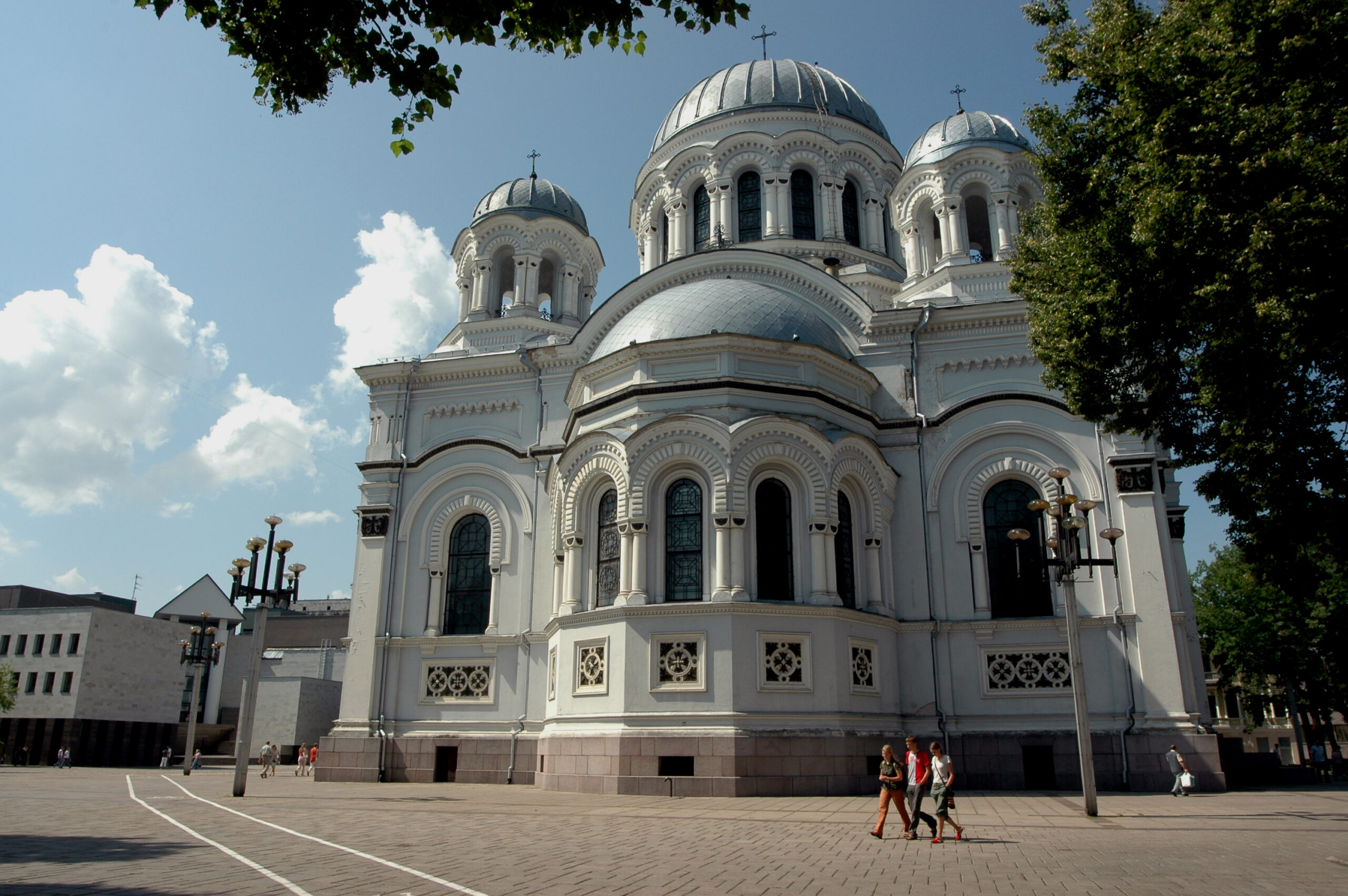
Soboras (St. Michael the Archangel Orthodox Cathedral)8
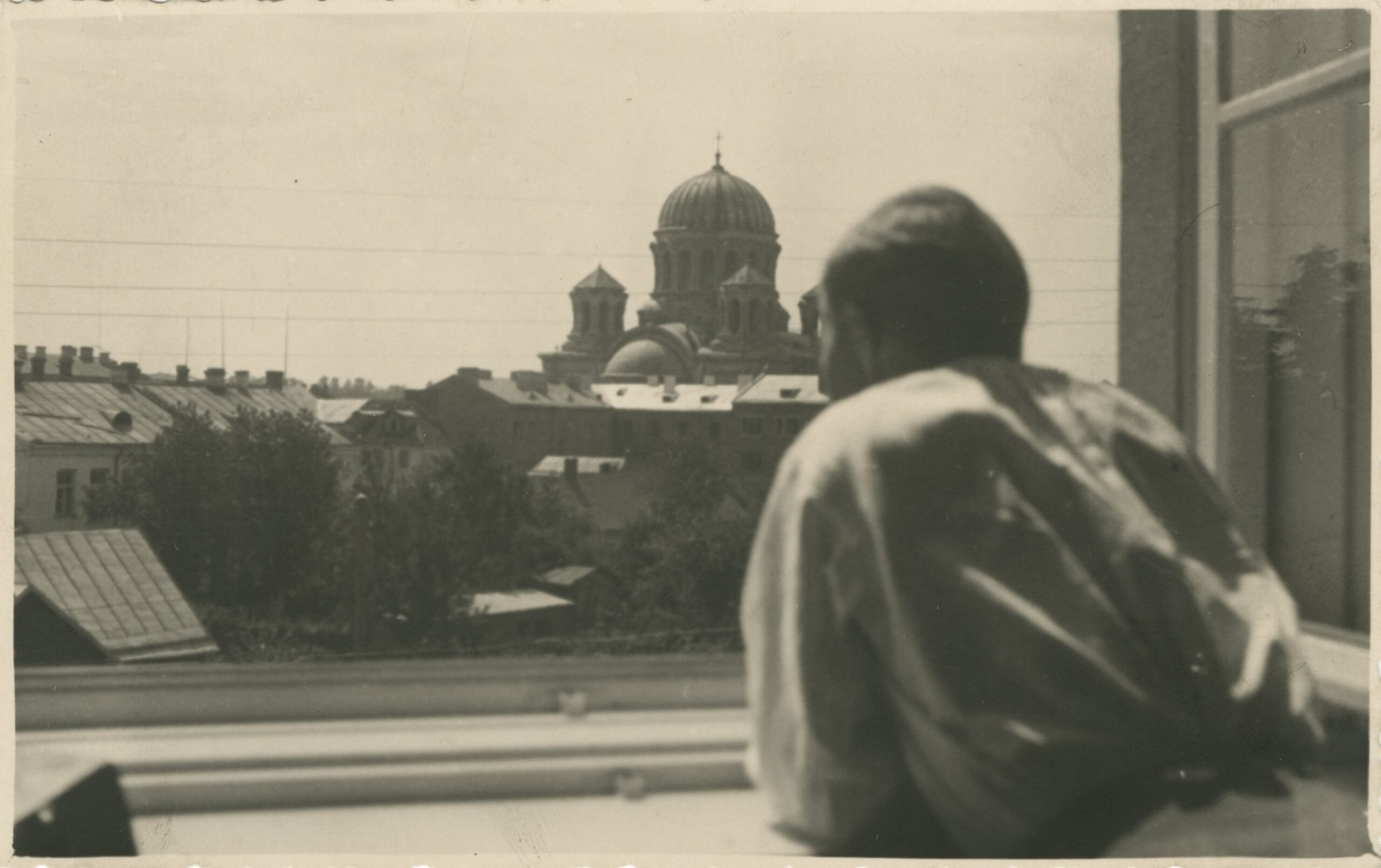
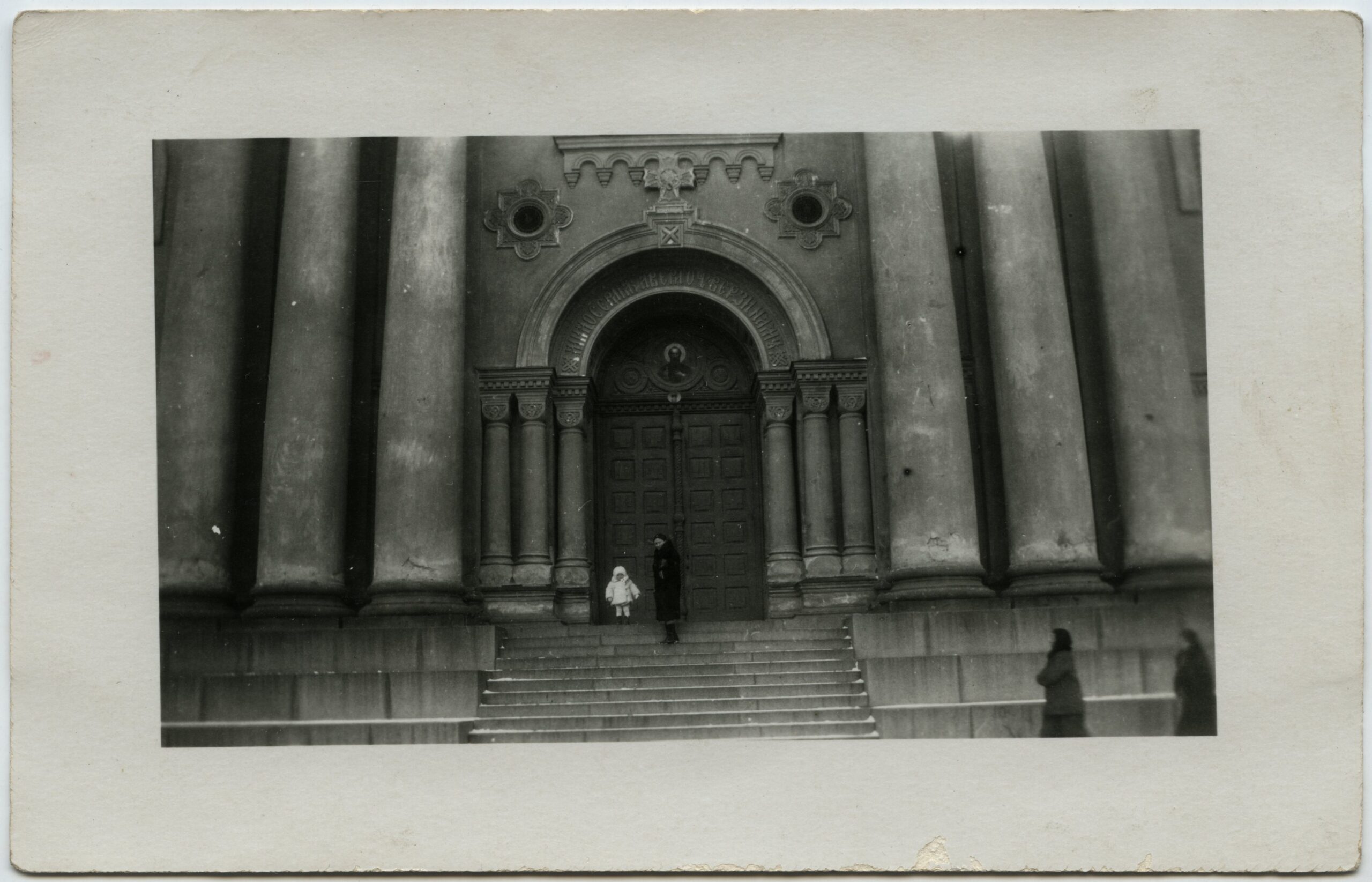
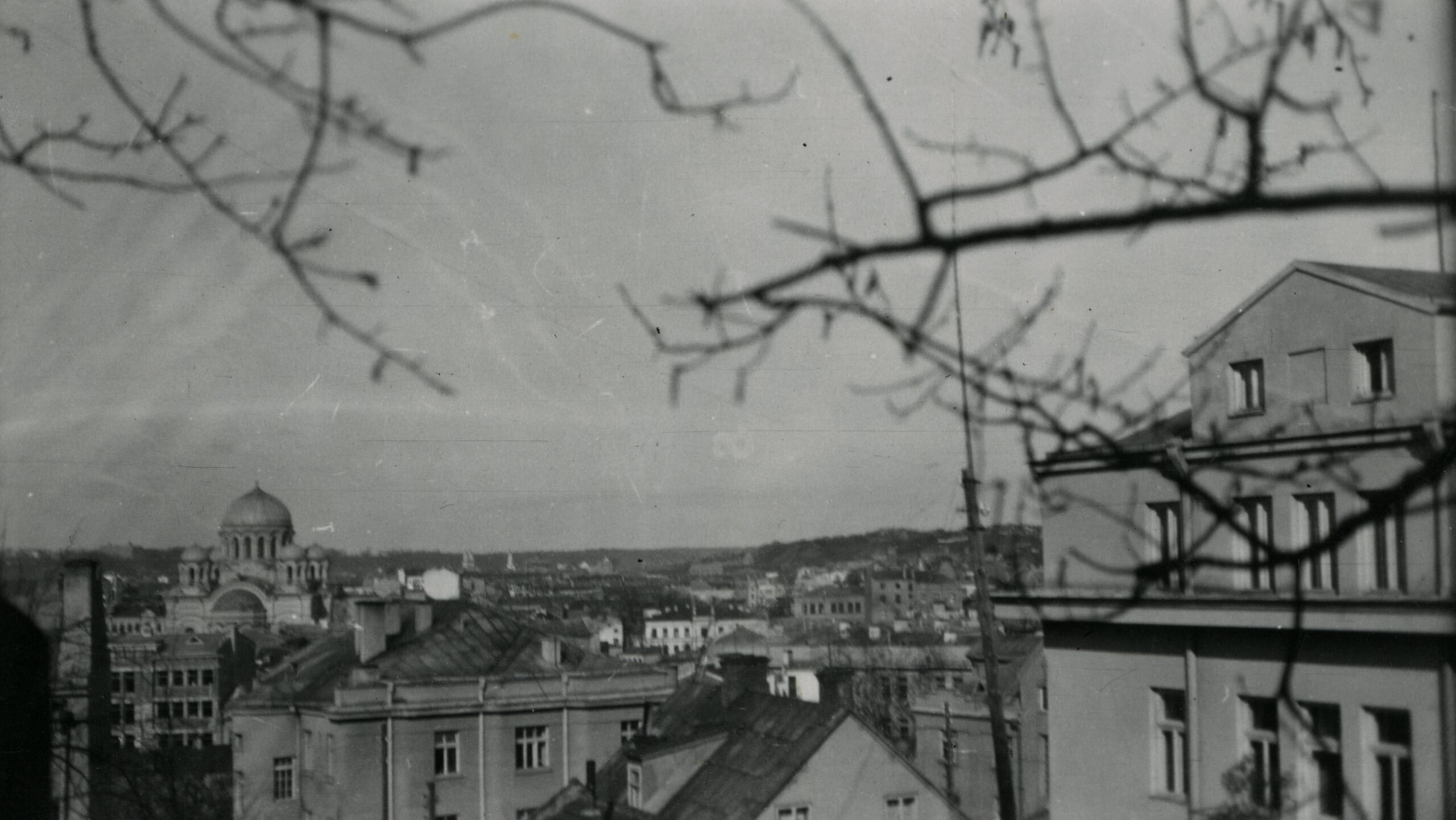
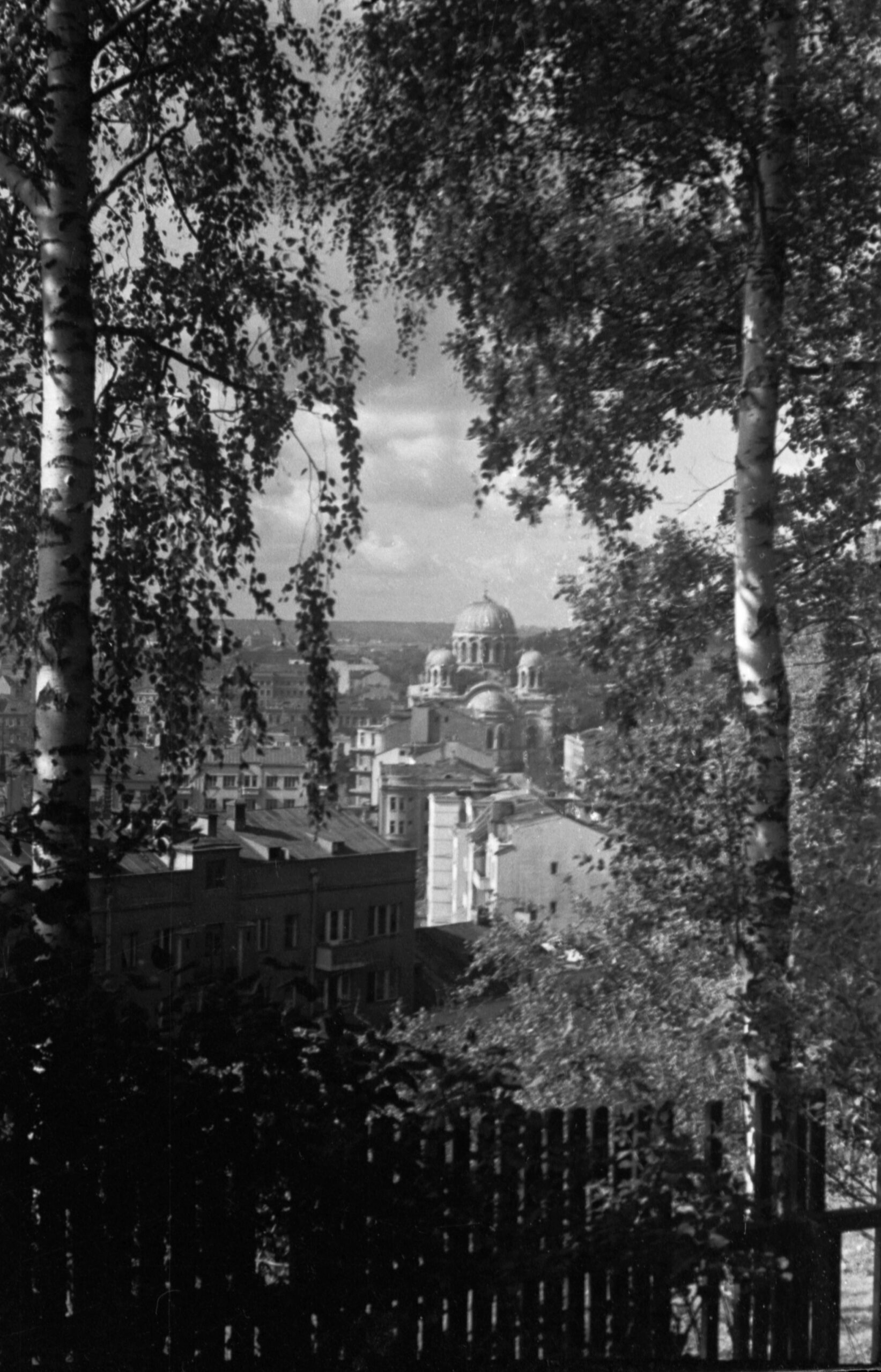
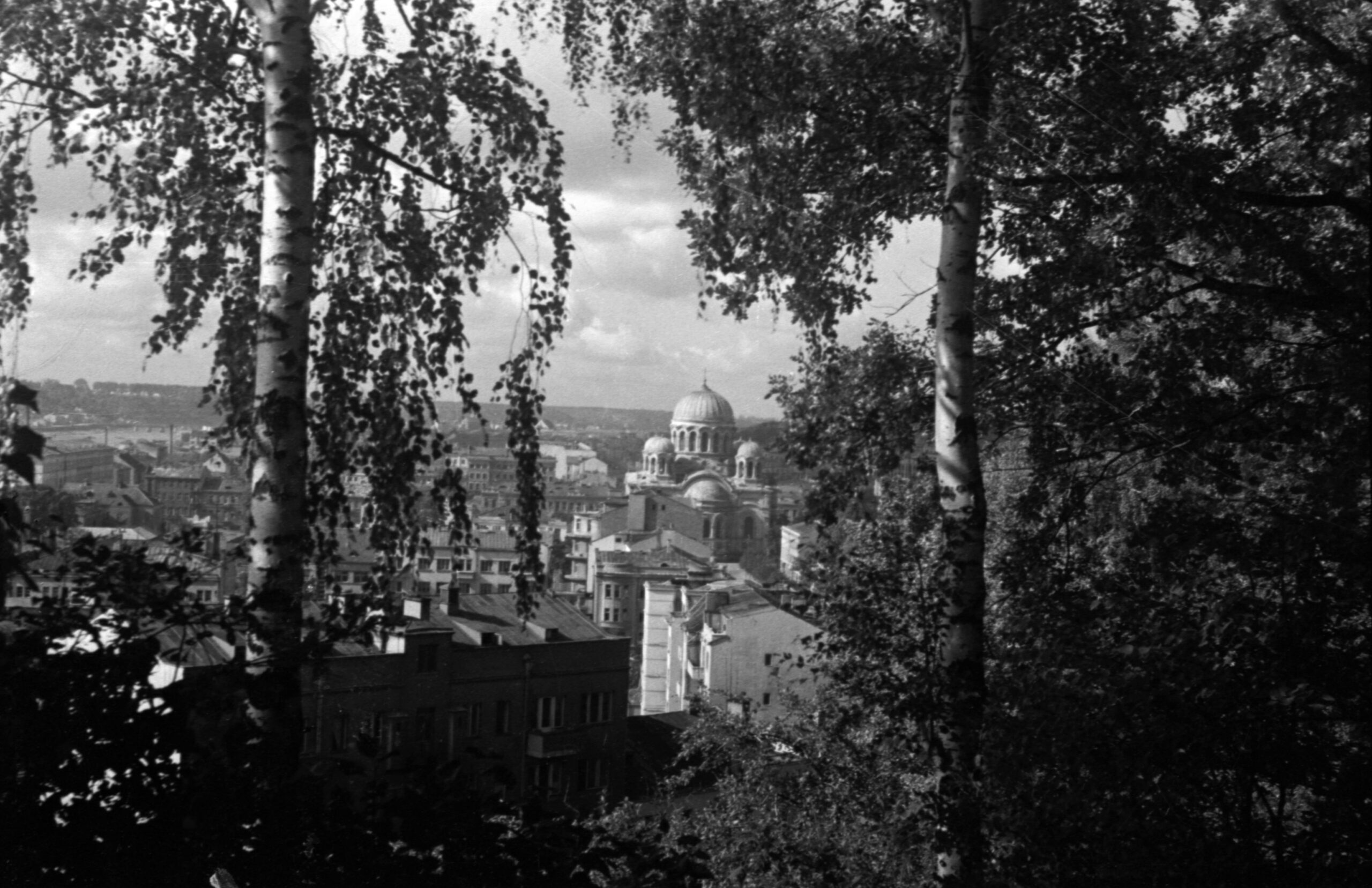
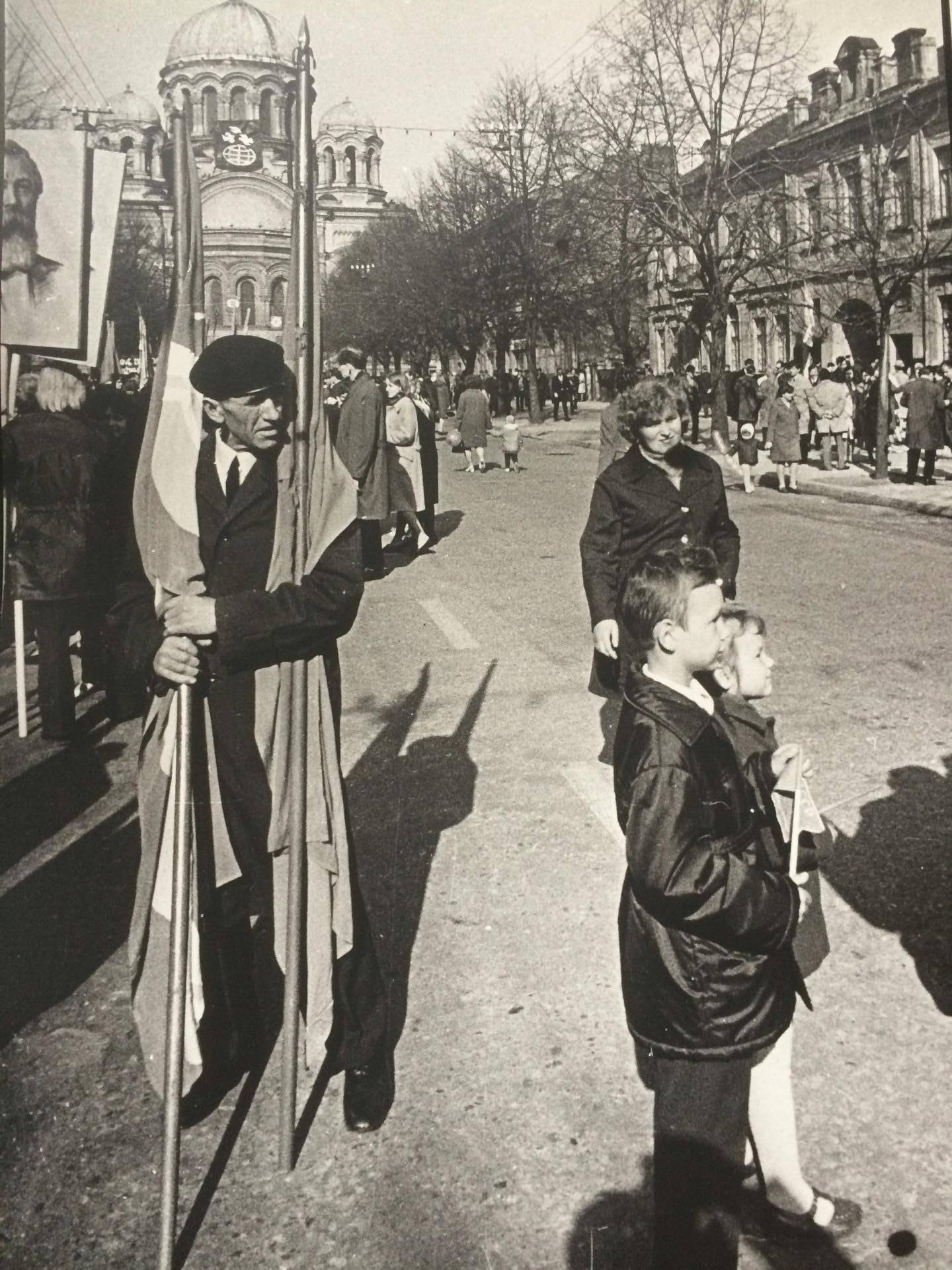
Kaunas Garrison Church (sobor) was built in the east part of the axis of Nicholas’ Avenue (now – Laisvės Alėja) in 1895. In September of the same year, Soboras was solemnly inaugurated as St. Peter and Paul’s Orthodox Cathedral. The new landmark immediately attracted the attention of a photographer named Vaclav Zatorski. Soboras has been continuously captured in pictures ever since, and would mostly dominate the camera’s lens, irrespective of the fact whether photos have been taken from the axis of Laisvės Alėja and Gedimino Street or city landscapes immortalised from Žaliakalnis hills.
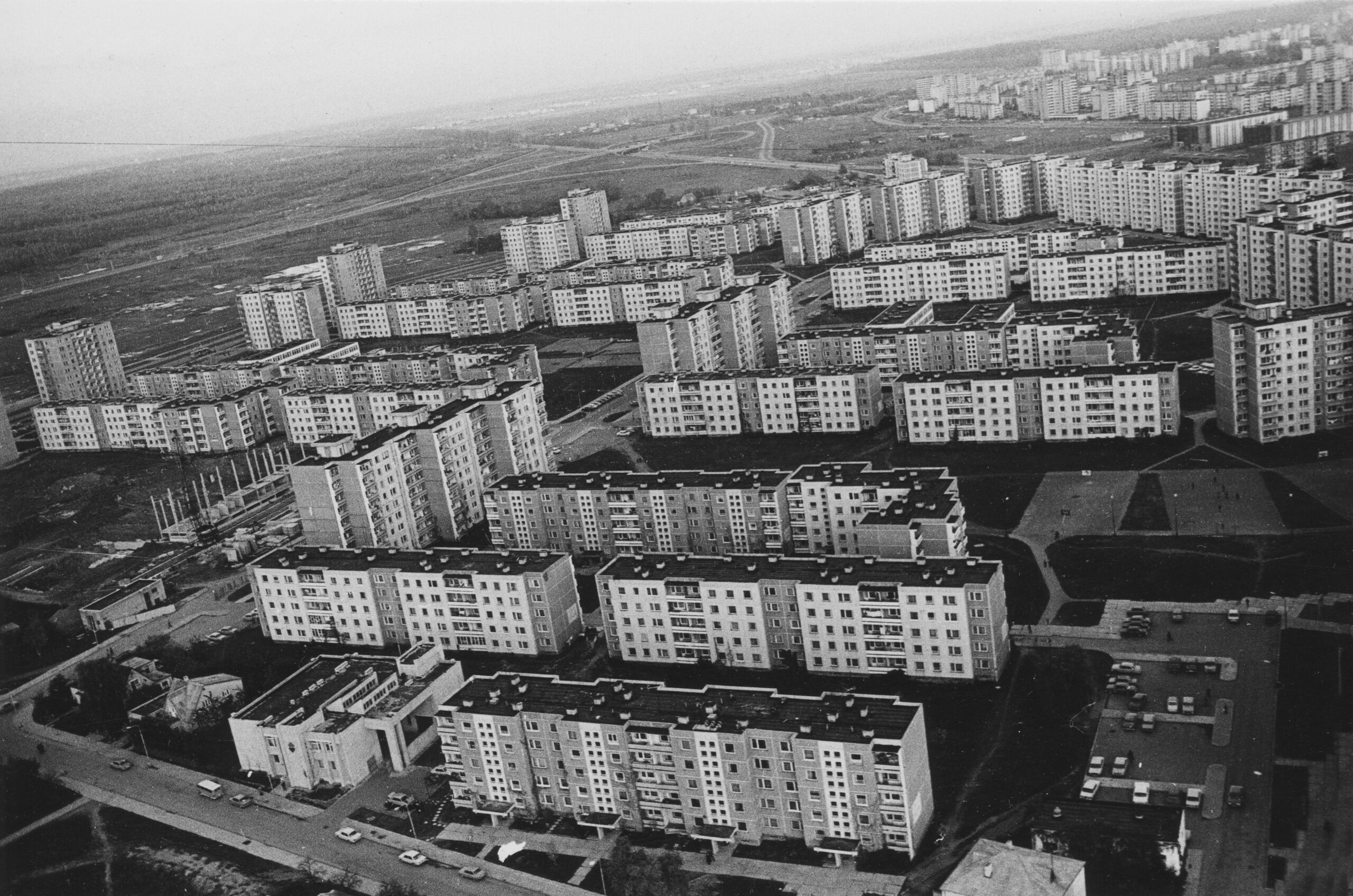
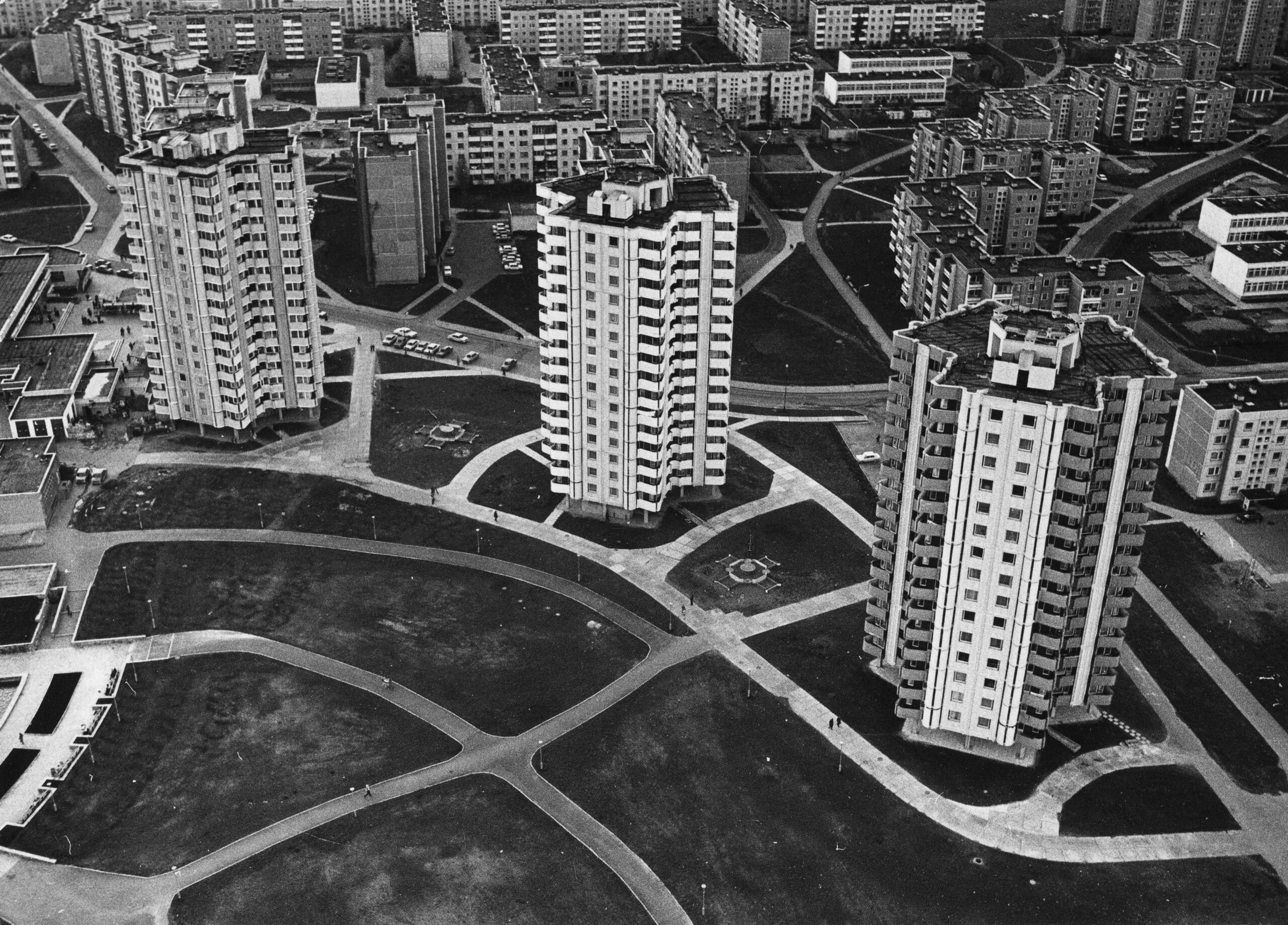
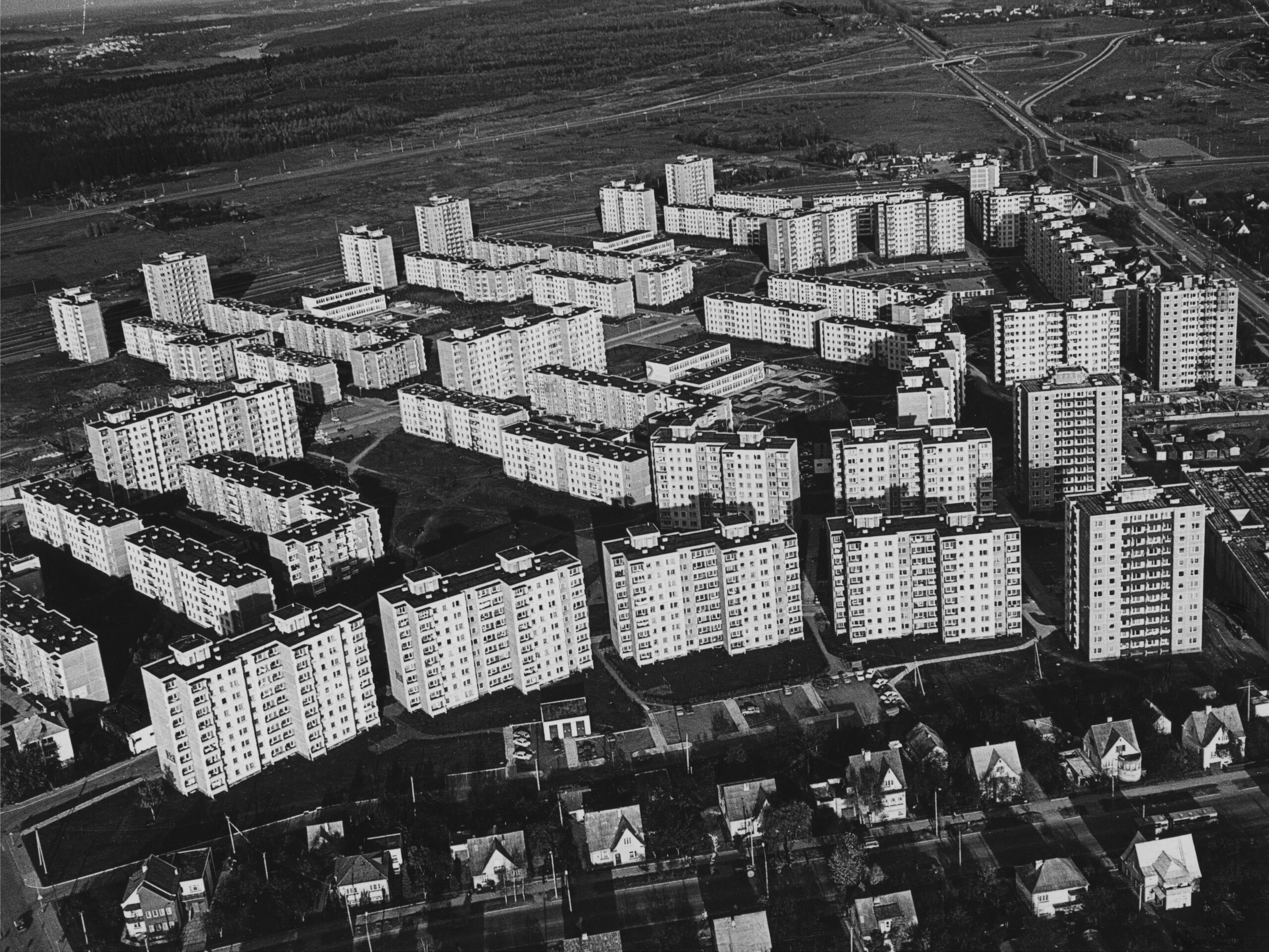
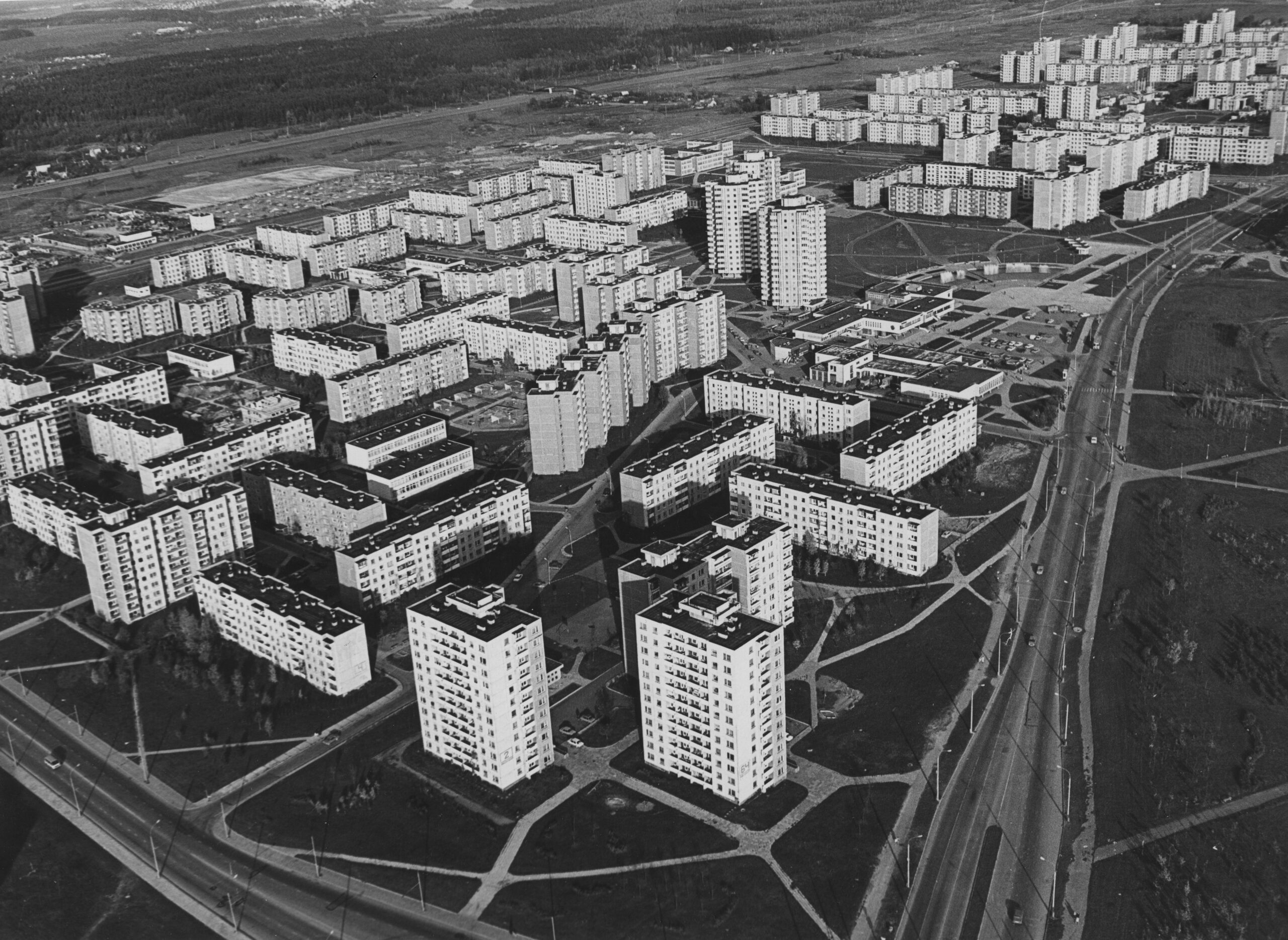
Eiguliai Microdistrict9
The construction of multi-residential buildings in Kaunas started in 1950–1953, and it expanded considerably in the 1980s. Construction of Dainava micro-district started in 1963. In 1973–1974, construction of multi-residential buildings moved to the newly developed Kalniečiai micro-district. The first sixteen-storey residential buildings in Kaunas appeared in 1984, next to the Vitebsko (now Čečėnijos) Square. The construction of residential Eiguliai micro-district started in 1979 next to the growing micro-district of Kalniečiai. The new general construction plan was introduced in 1983, and, as a result, construction of Šilainiai micro-district started. The aim was to create an adequate infrastructure around the residential houses with kindergartens and schools, trade and catering, culture and service institutions.
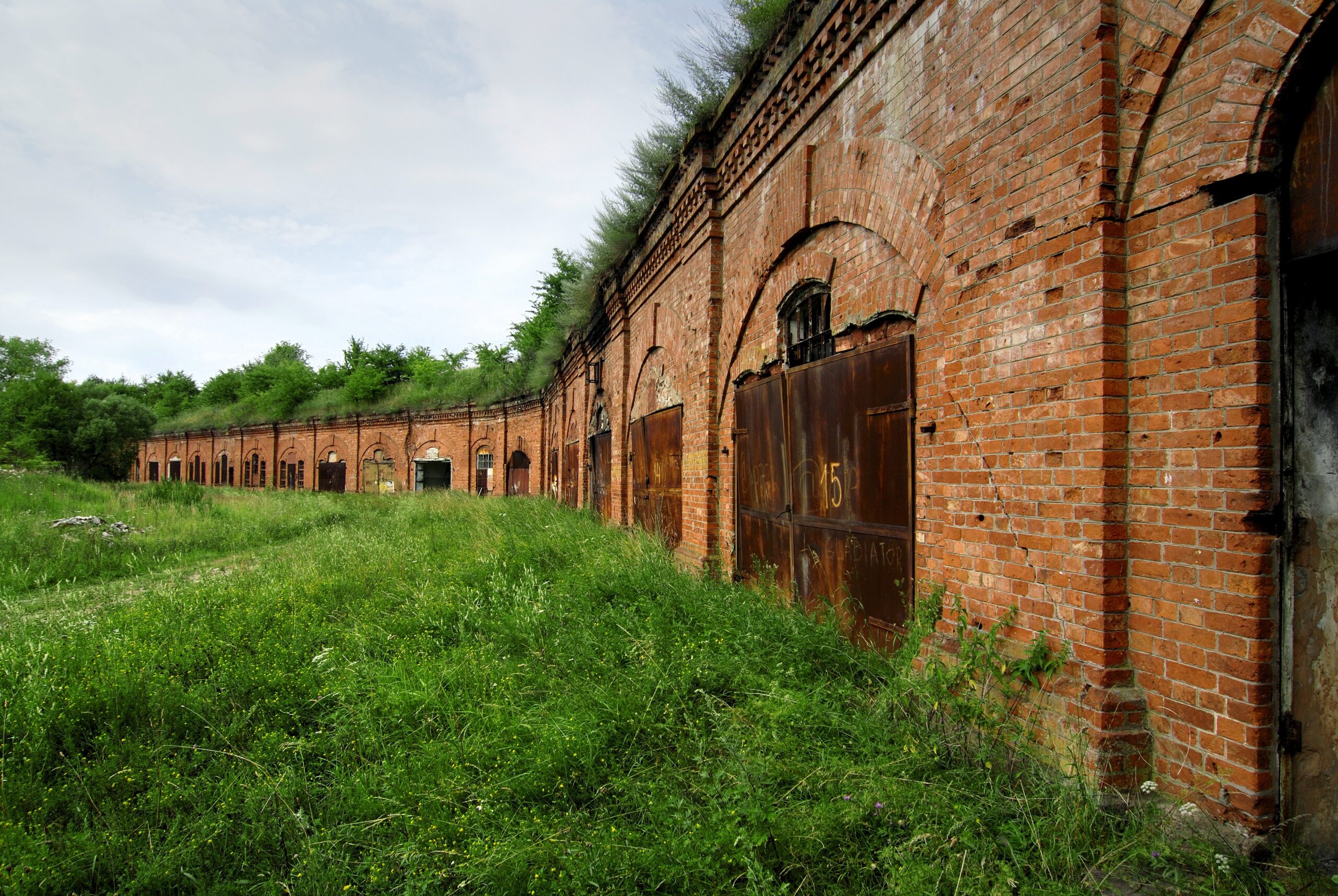
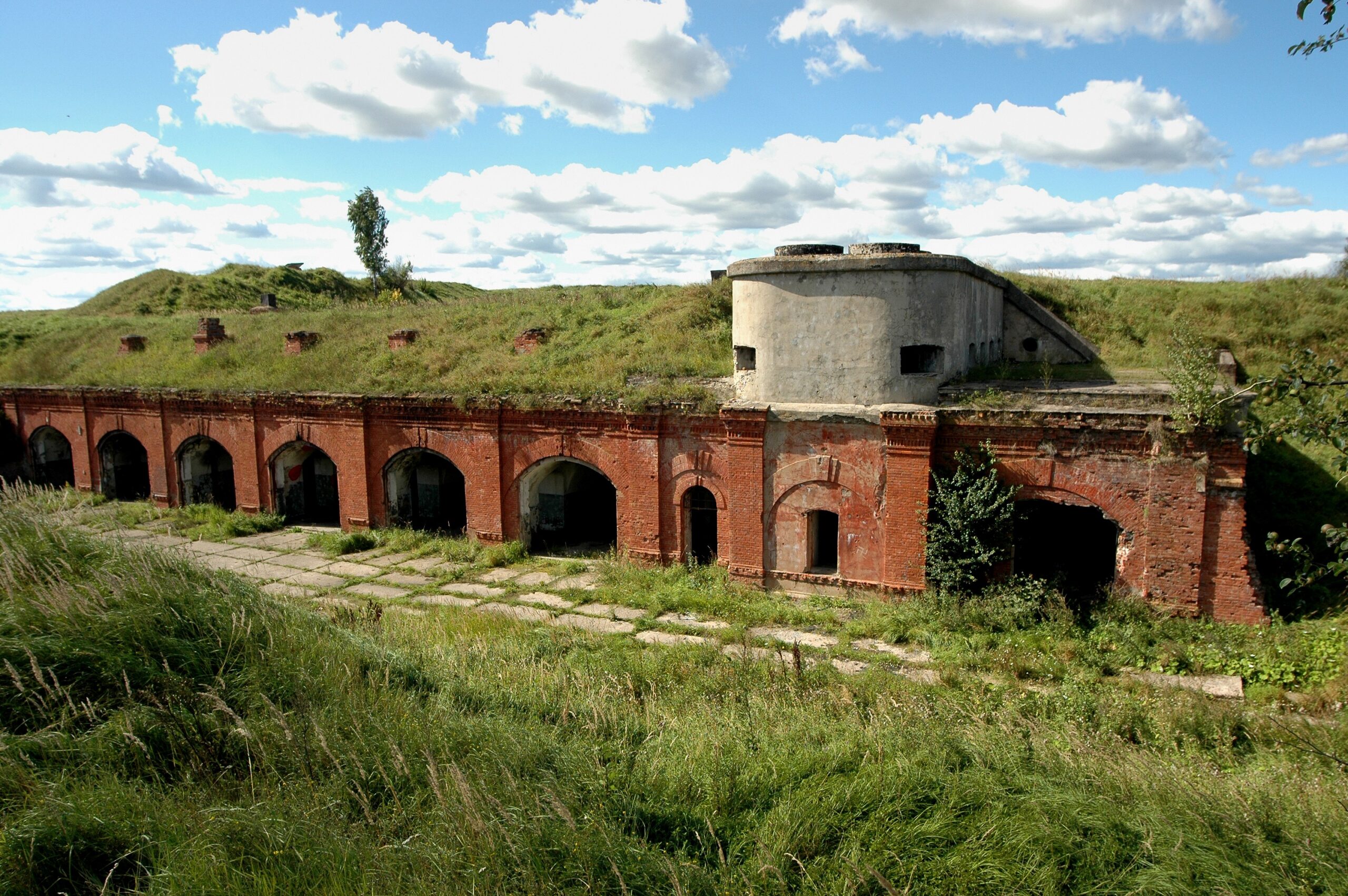
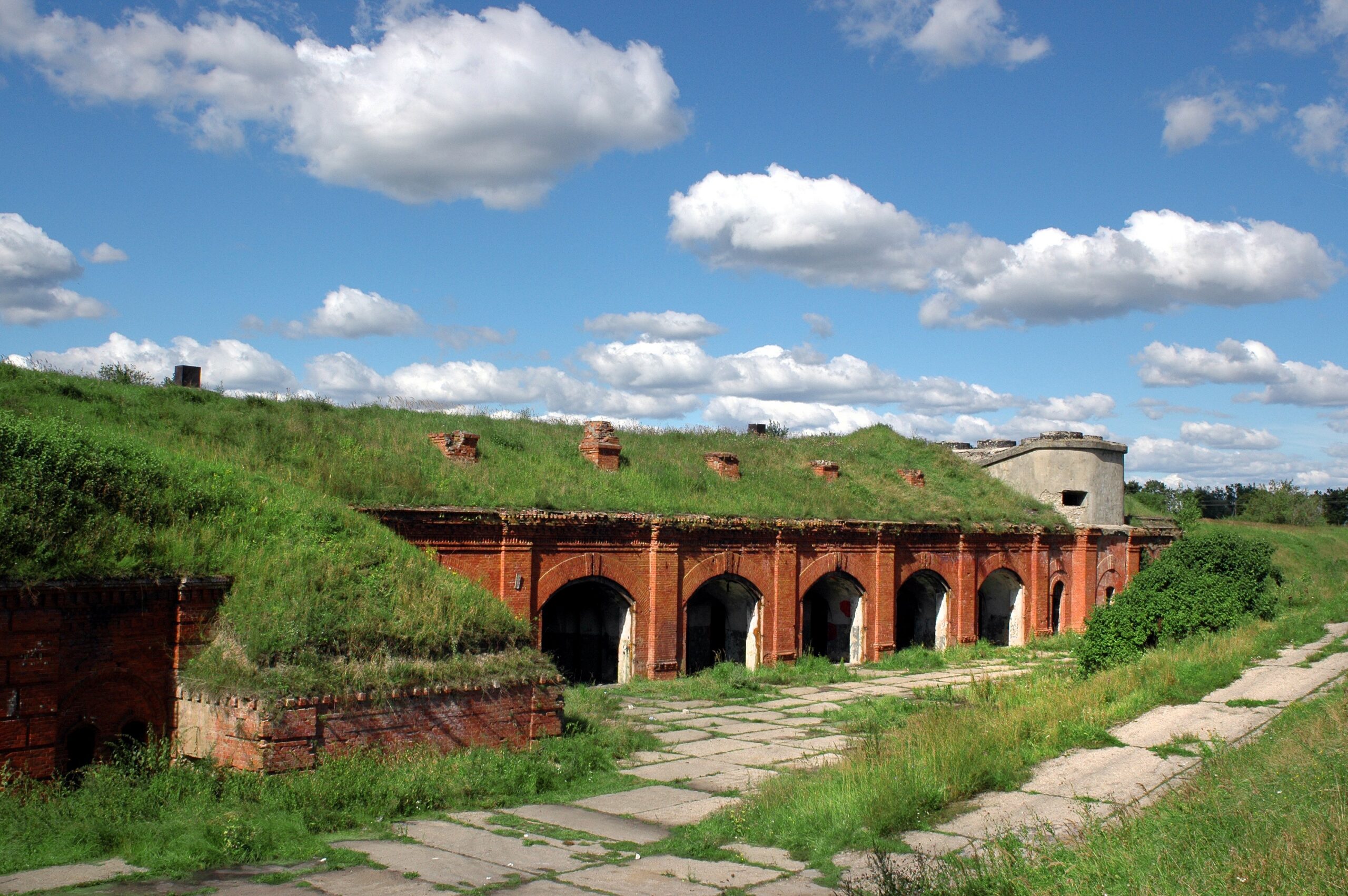
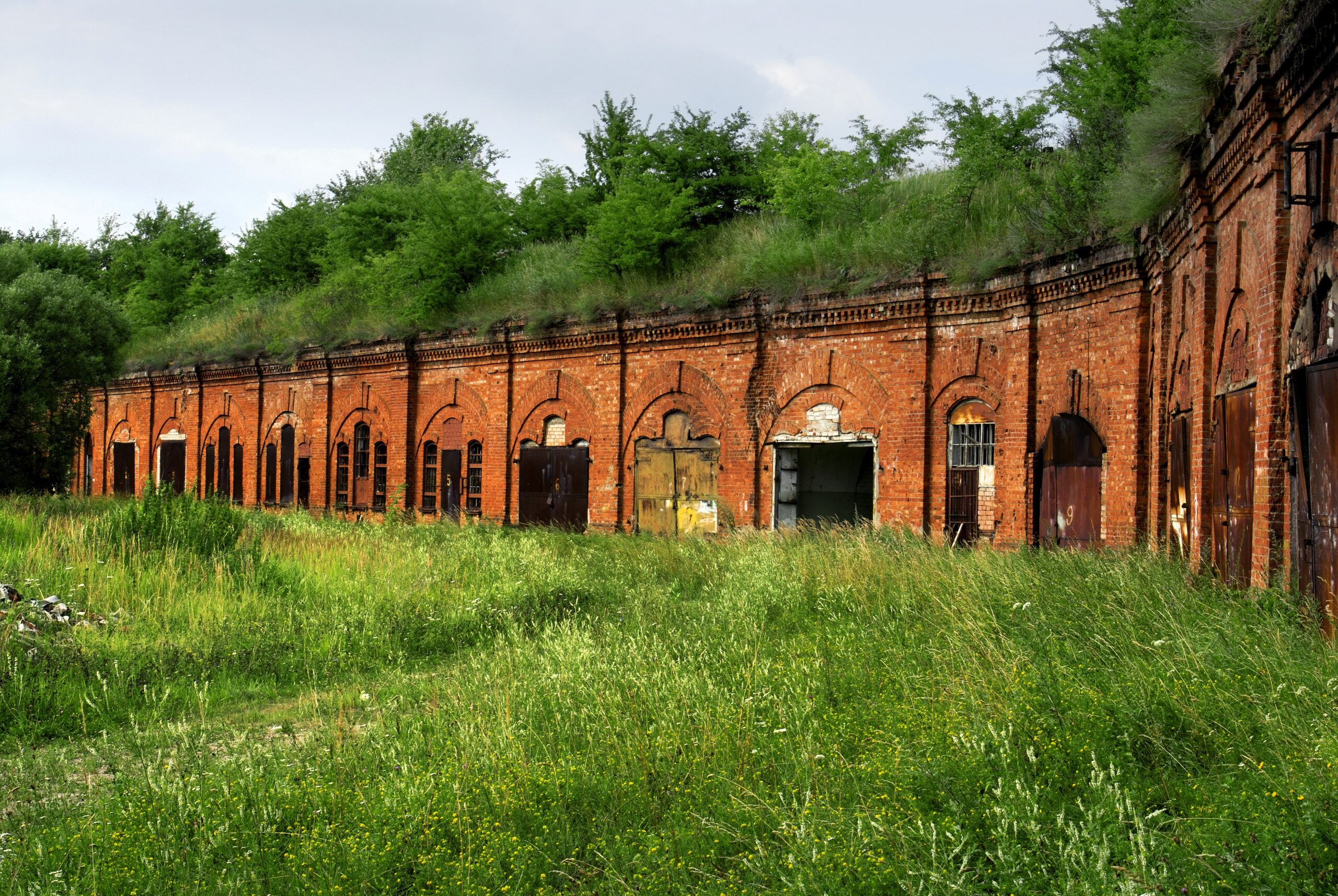
Kaunas Fortress10
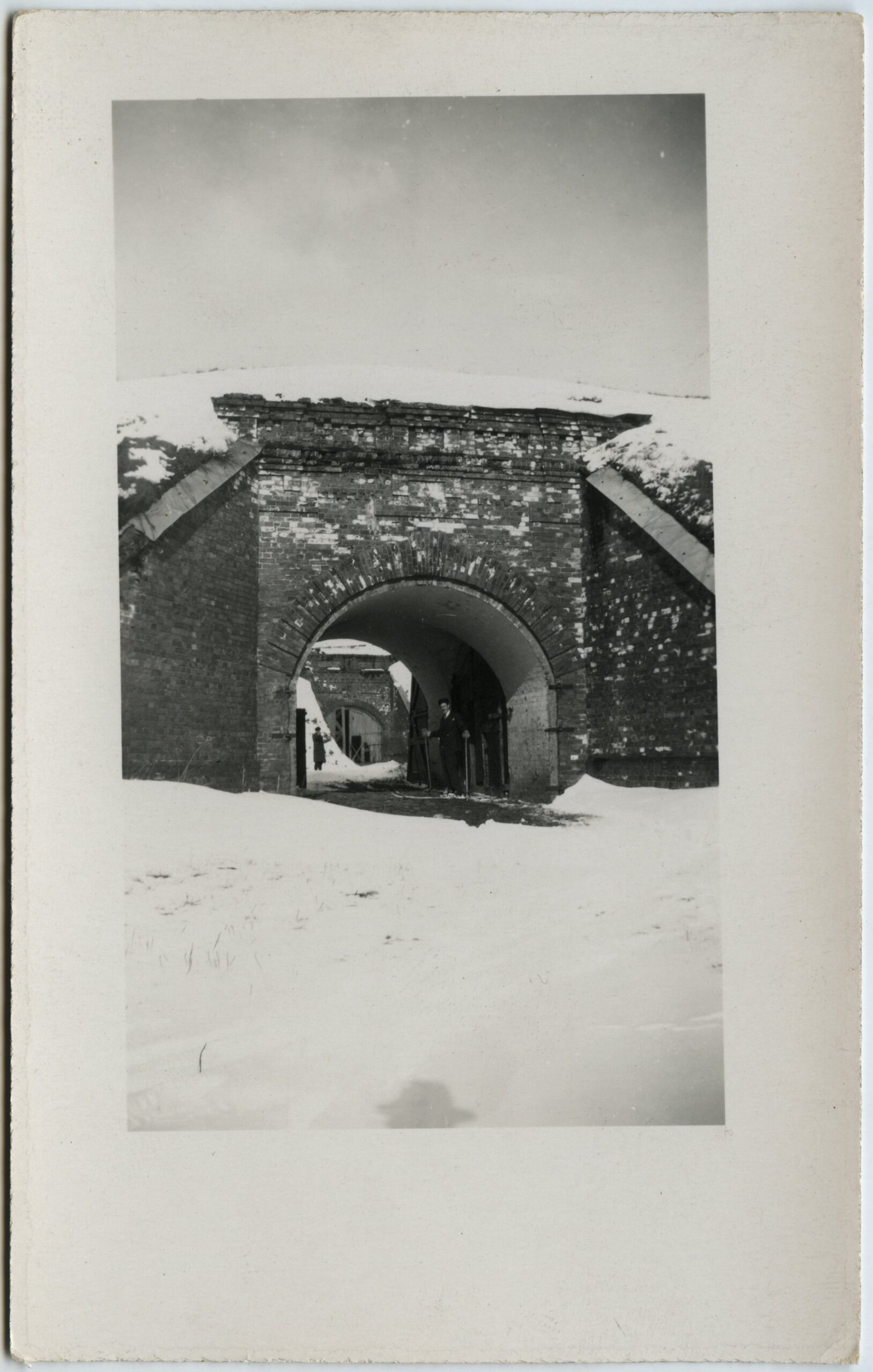
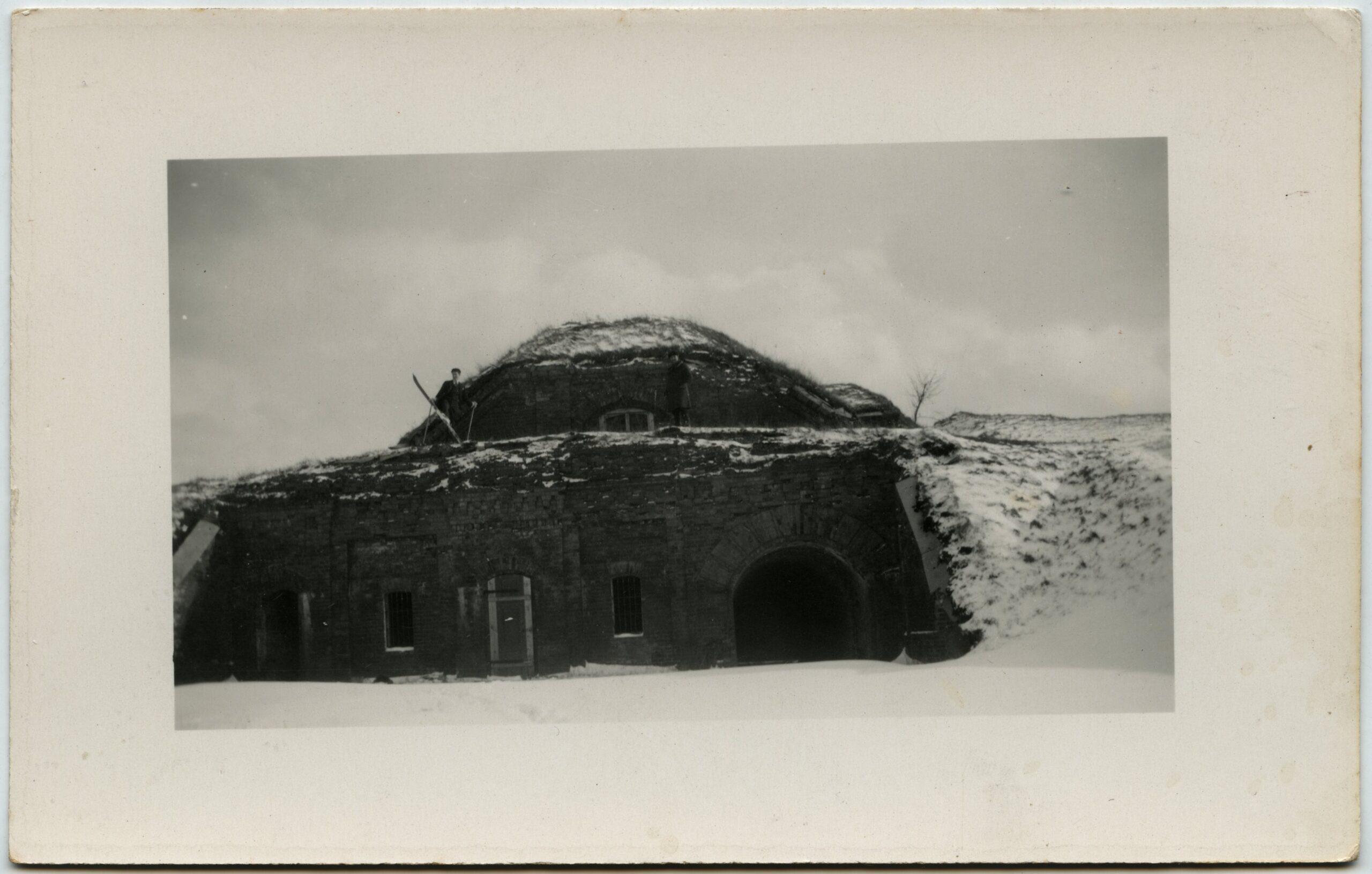
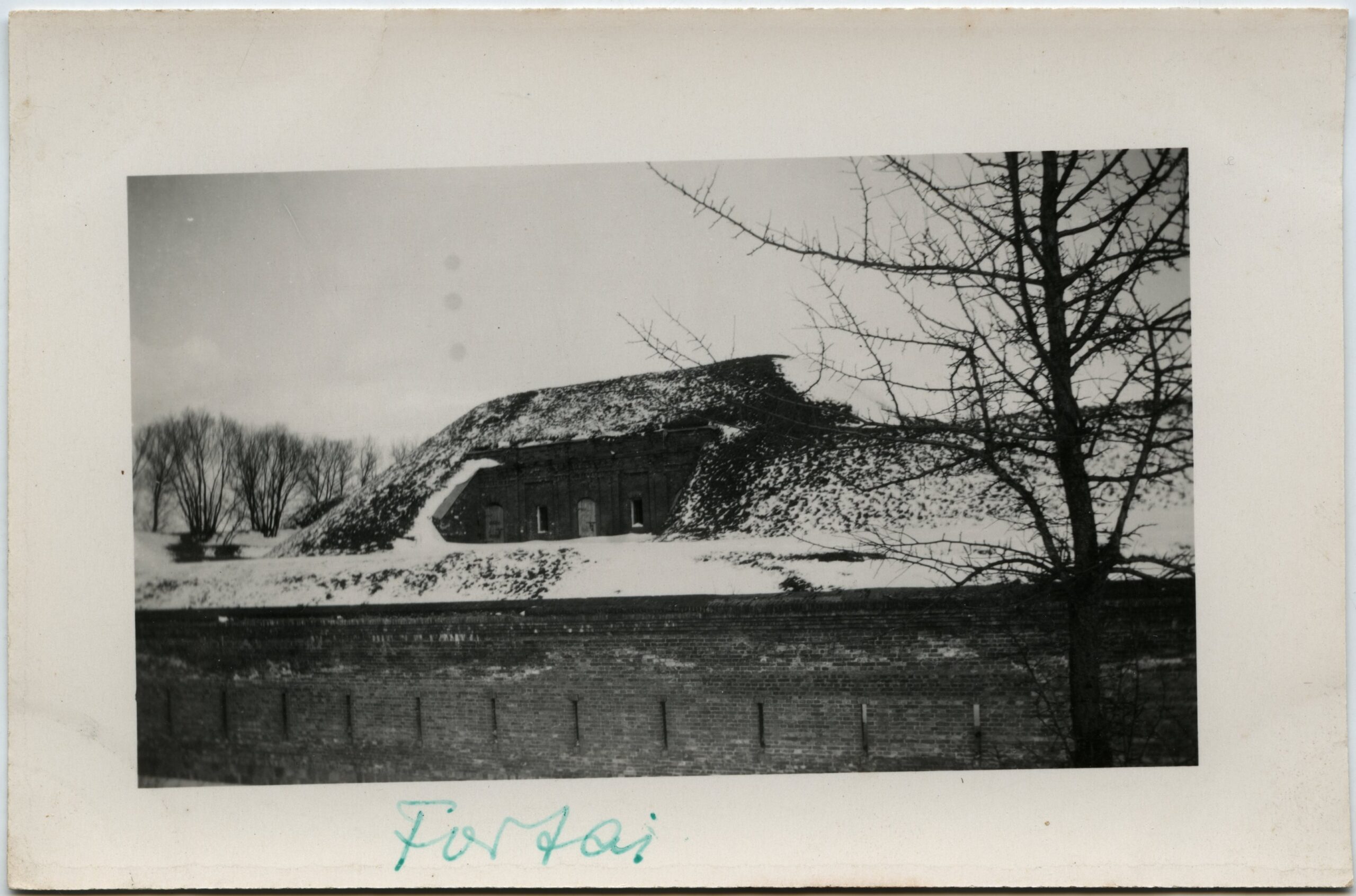
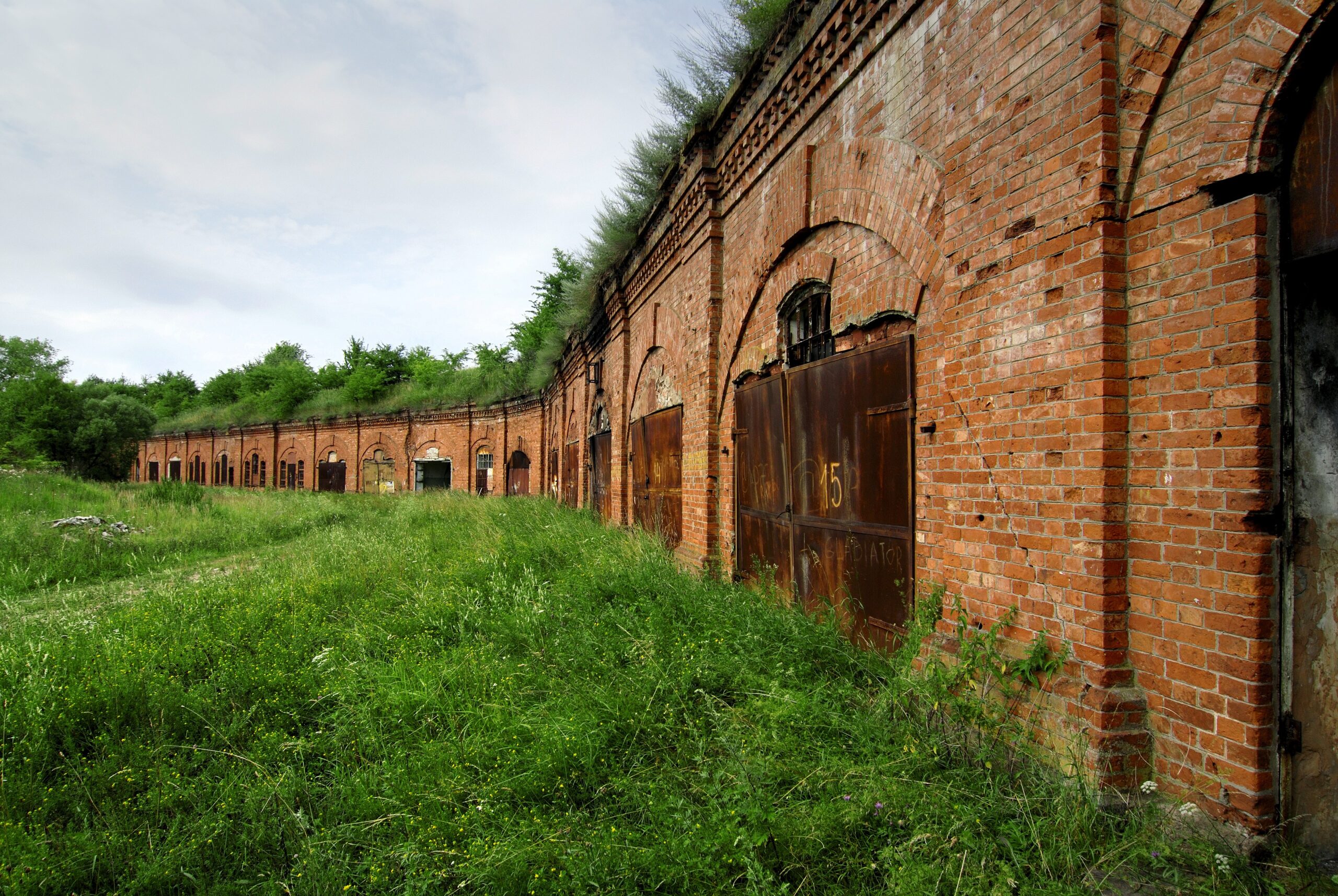
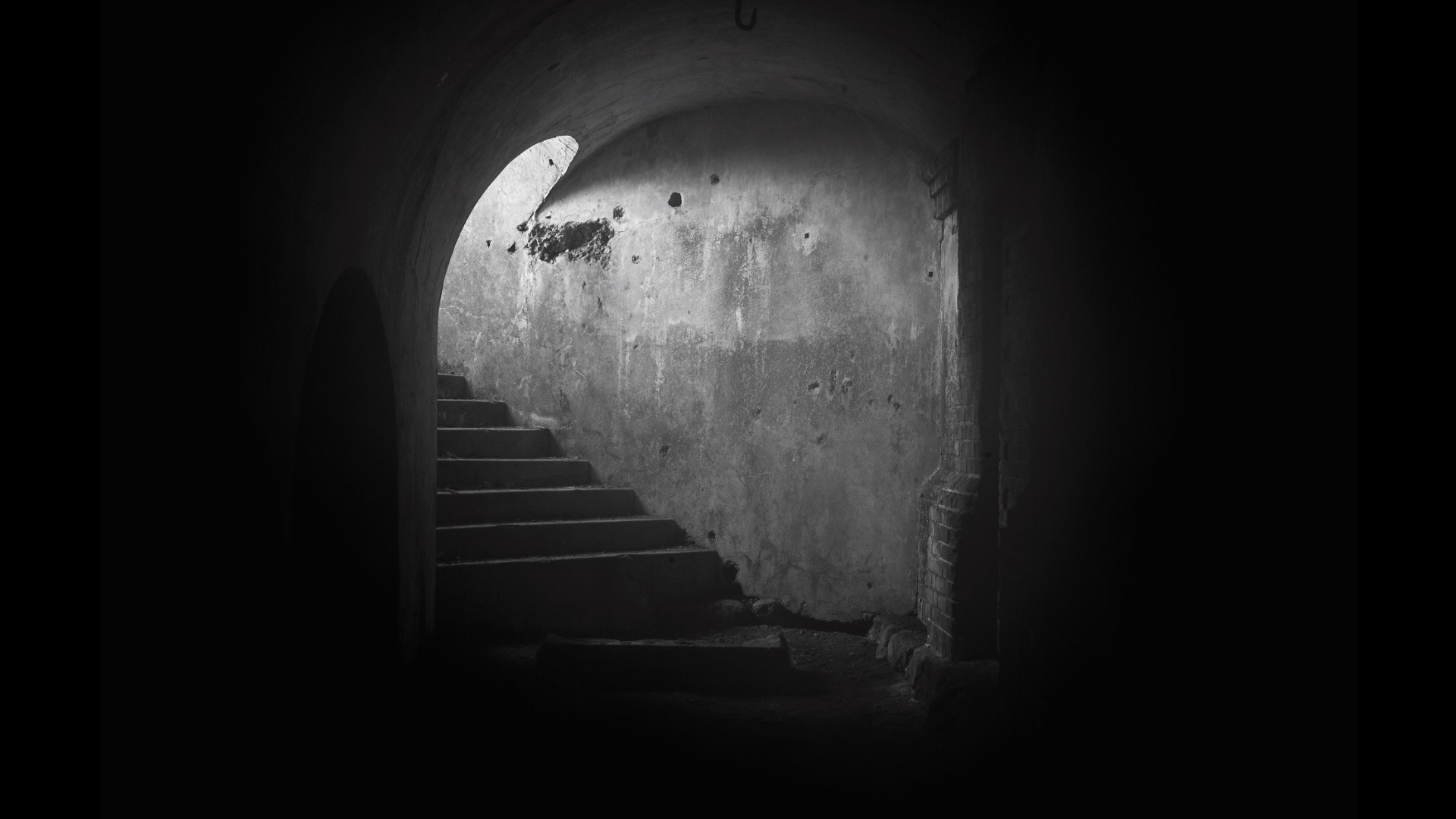
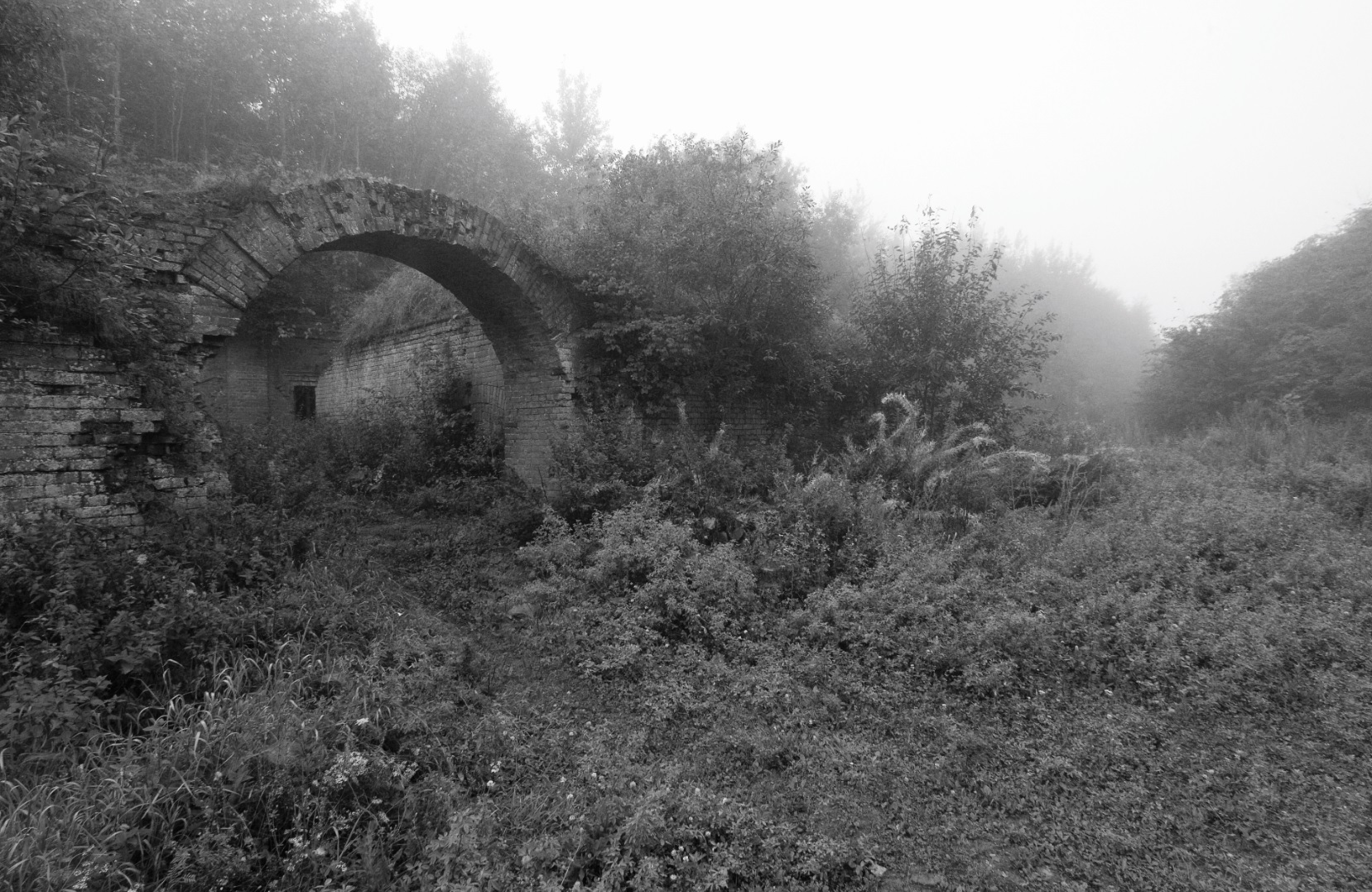
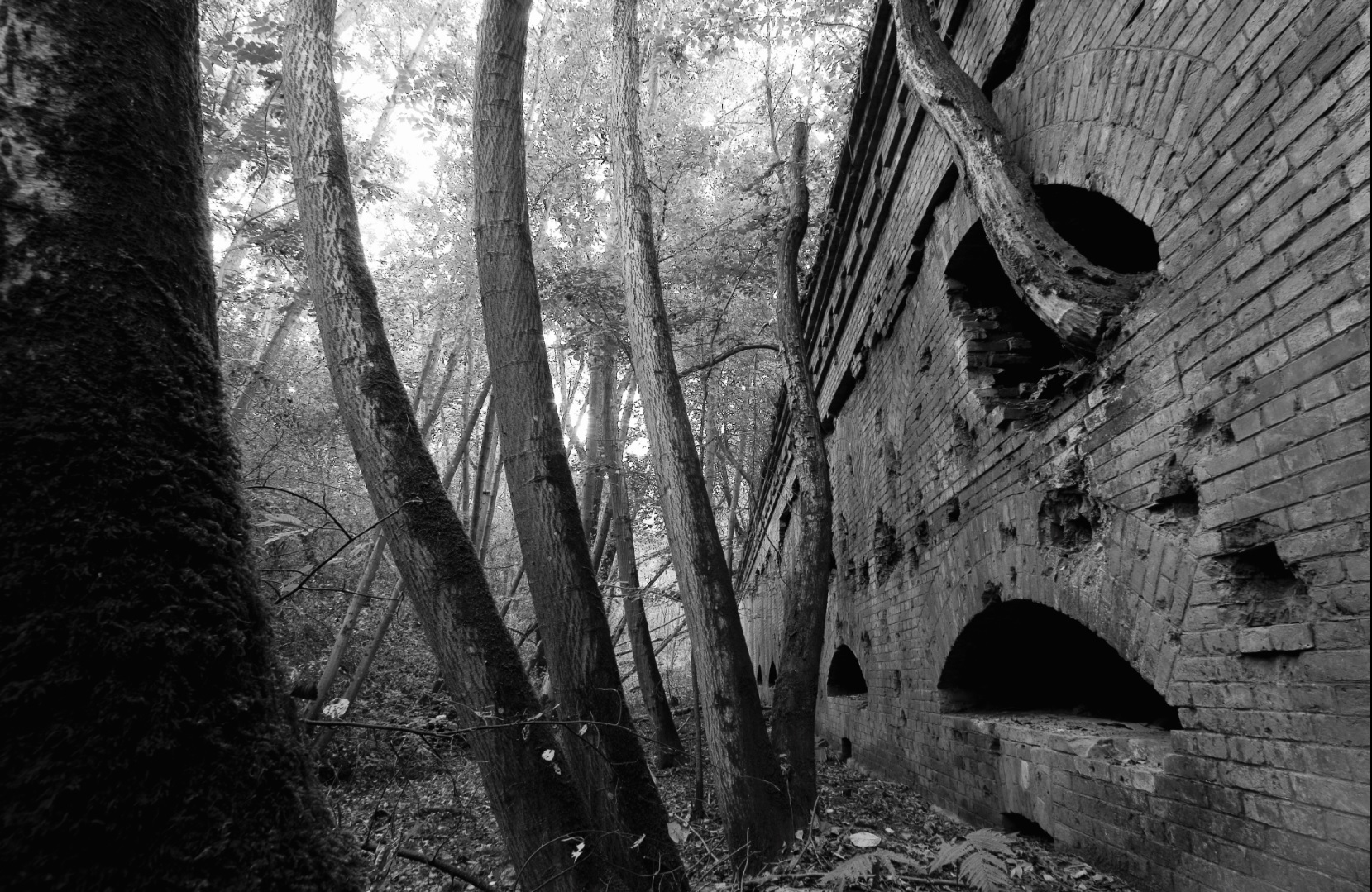
In 1879, the Russian Empire decided to build a first-class fortress in Kaunas. Construction of forts and other defensive structures started in 1882 and was completed in 1889. Seven forts were built, later followed by the eighth and the ninth forts. Fortress expansion plan was adopted in 1912, but it was not realized. When World War I started, Kaunas Fortress did not withstand the attack and was conquered by Germans. When Kaunas became the provisional capital, there were attempts to find use for the damaged constructions of the fortress. In some of the forts, cheap housing colonies were established, while others were turned into prisons. The Seventh Fort even housed the Central Archive. The years of the WW2 painted the history of the fortress in black tones, as in most of them, Jews and other citizens of Lithuania were killed.
Kaunas Hydroelectric Power Plant11
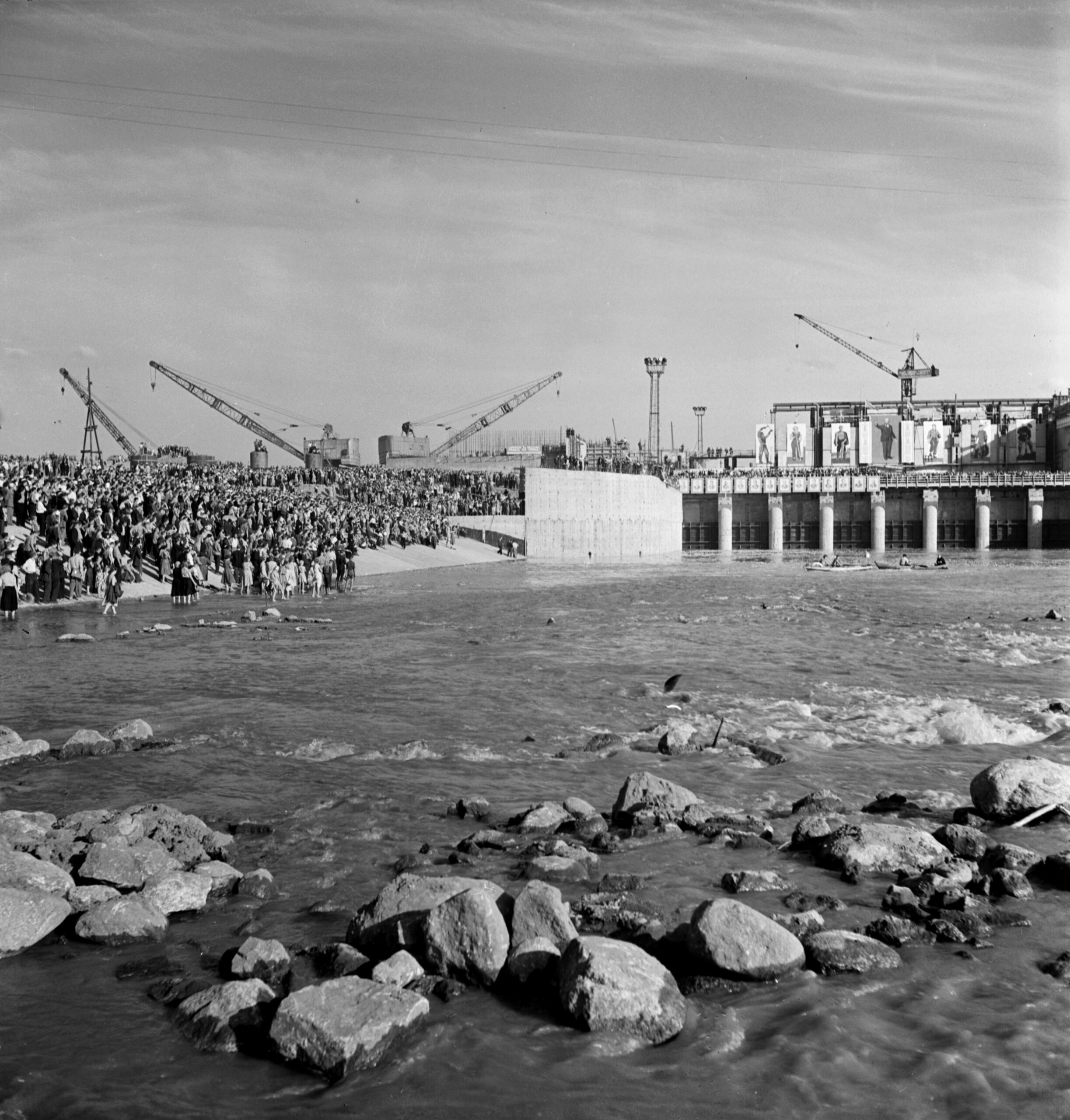
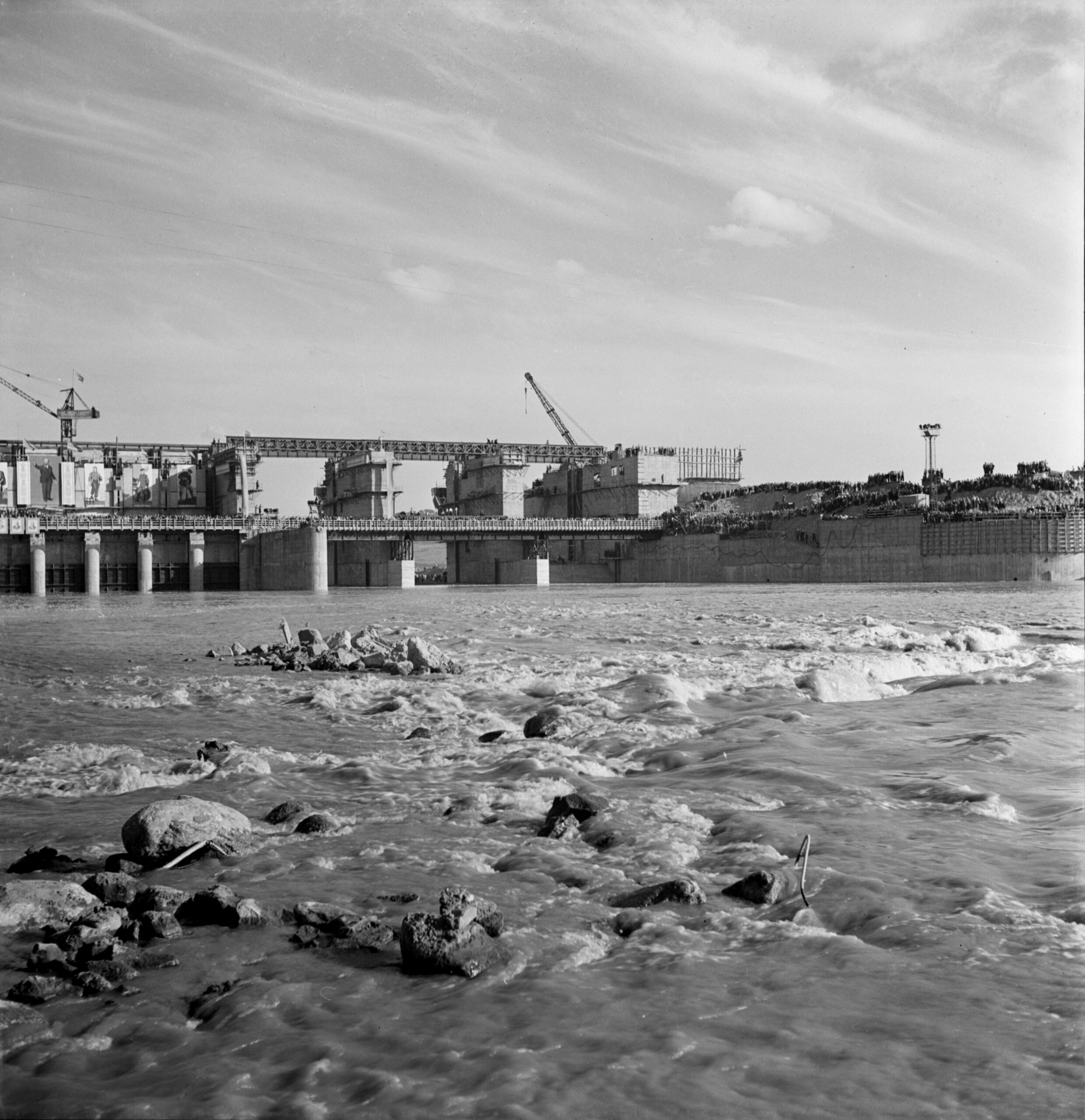
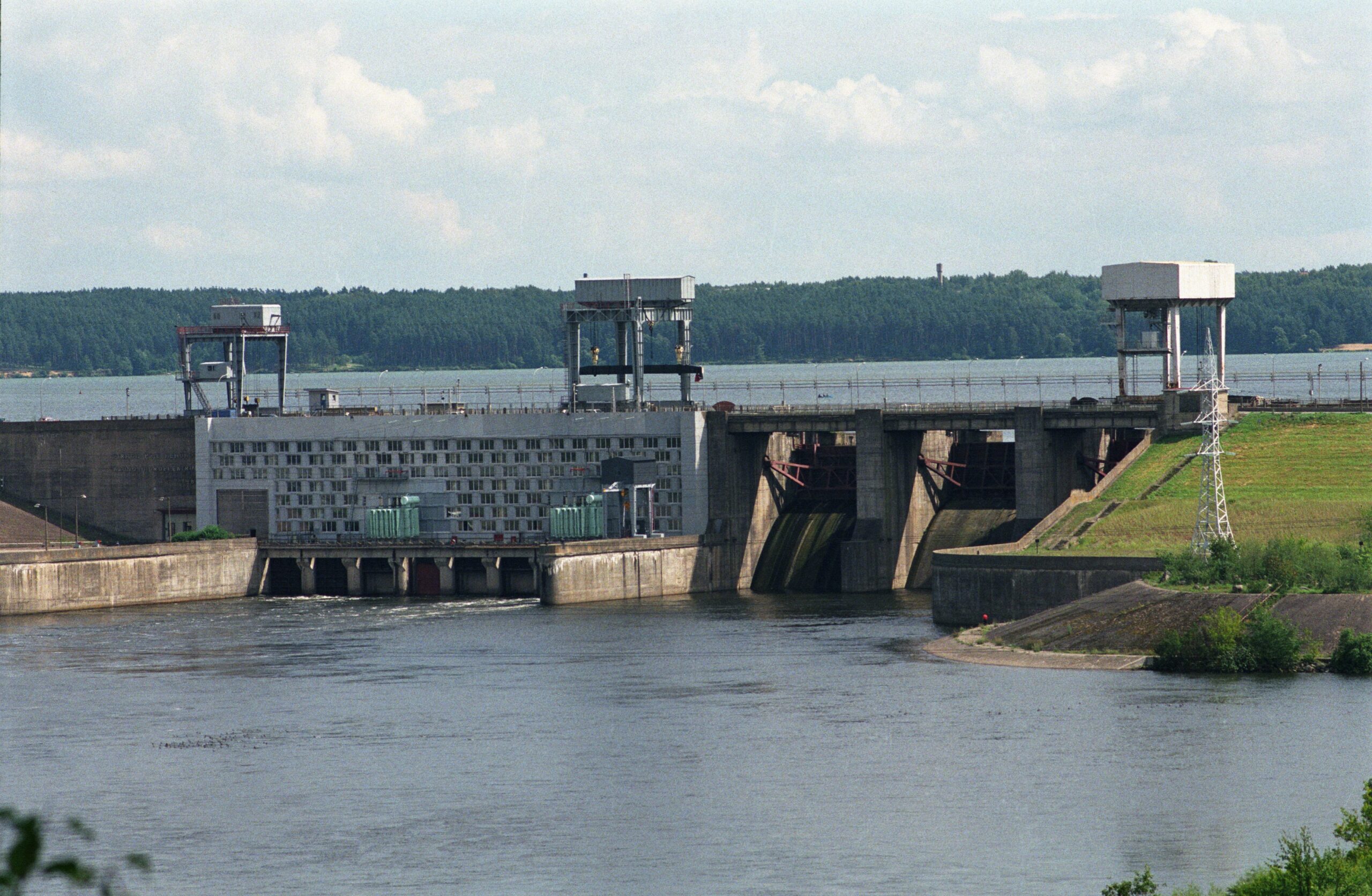
The construction of Kaunas Hydroelectric Power Plant was started in 1955 and lasted for four years. Nemunas River was dammed in July, 1959, thus forming the Kaunas Reservoir. In autumn of the same year, the power plant started generating power and in 1960, it already worked in full capacity. The construction of the power plant was widely used for the purposes of propaganda, not to mention flooded villages and broken destinies. In 2014, Kaunas Hydroelectric Power Plant was renamed as Kaunas Hydroelectric Power Plant of Algirdas Brazauskas.