

Guide to Bohemian Laisvės Alėja
About the route “Bohemian lifestyle usually represents a community of young people with artistic or humanitarian backgrounds. […] It is believed that artistic expression goes hand in hand with a unique lifestyle that differs from those who commonly juggle public responsibilities, family, and work. It is also a gathering of true believers who feel as […]
Read moreGuide to Bohemian Laisvės Alėja
About the route “Bohemian lifestyle usually represents a community of young people with artistic or humanitarian backgrounds. […] It is believed that artistic expression goes hand in hand with a unique lifestyle that differs from those who commonly juggle public responsibilities, family, and work. It is also a gathering of true believers who feel as […]
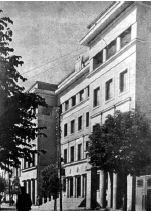
A. Mickevičiaus g. 19
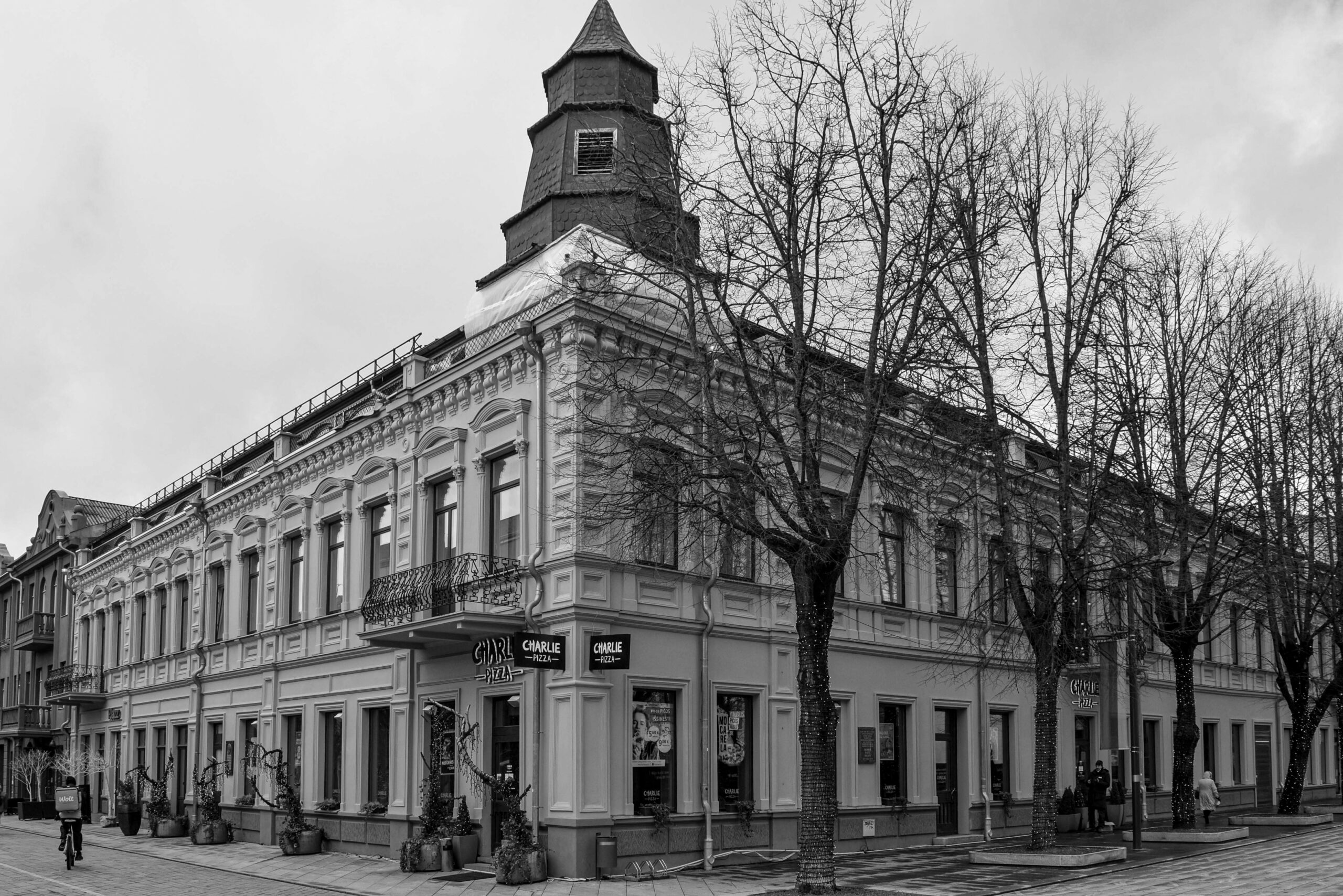
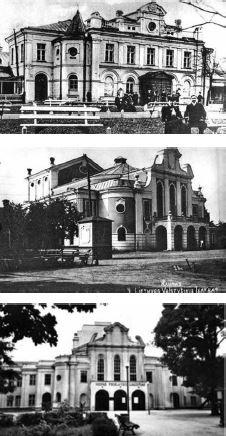
With the acknowledgment of Kaunas as temporal capital, a need for representative places for cultural interactions was raised. Thus, in 1930 military officers took initiative on building a new Ramovė residence which opened its doors in 1937.
“Military officers were mostly elite intellectuals. They had enough spare time after maneuvering. People talk that they used to hold duels and had peculiar codes of honor. There were some poets as well. In Ramovė were held spectacular, theatrical balls including various lotteries, raising funds for charity, and even more. These events were among the famous ones in Kaunas city, and it was an honor to attend one“, says Gytis Padegimas.
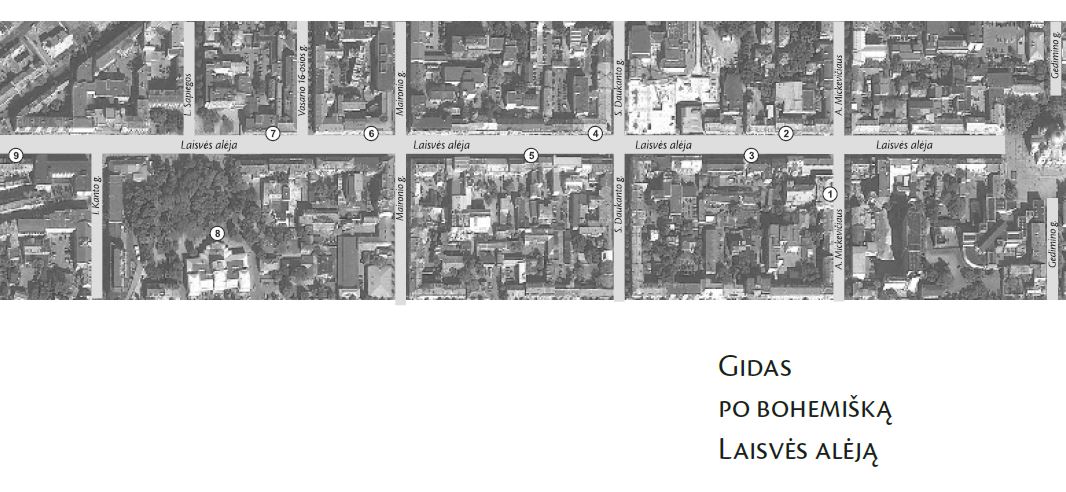
KAUNAS GARRISON OFFICERS' CLUB (liet. KAUNO ĮGULOS KARININKŲ RAMOVĖ) 1
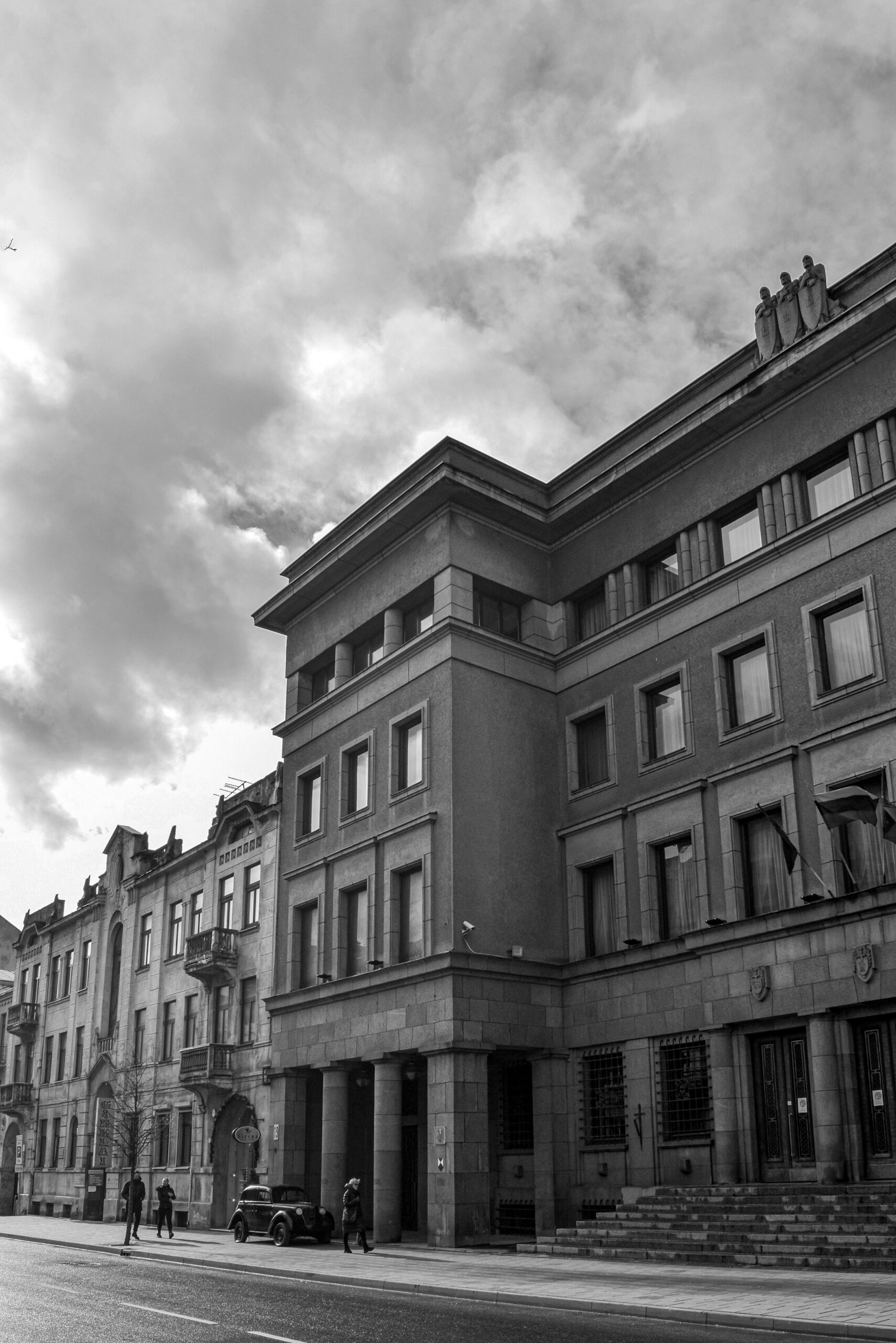
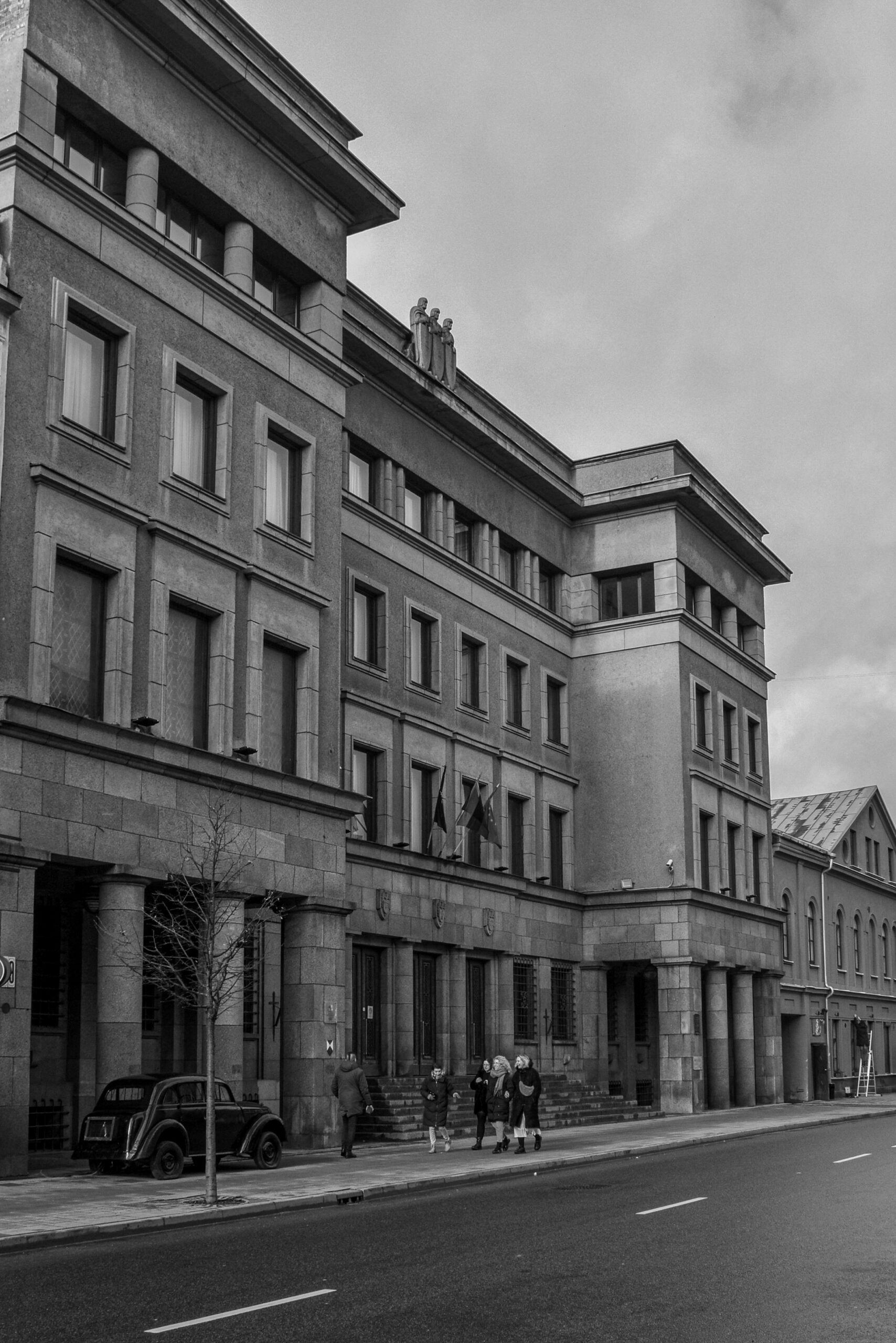
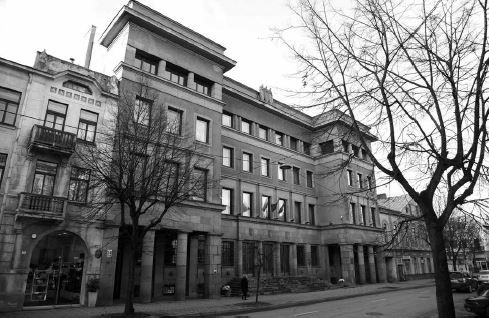
A. Mickevičiaus g. 19
A. Mickevičiaus g. 19
With the acknowledgment of Kaunas as temporal capital, a need for representative places for cultural interactions was raised. Thus, in 1930 military officers took initiative on building a new Ramovė residence which opened its doors in 1937.
“Military officers were mostly elite intellectuals. They had enough spare time after maneuvering. People talk that they used to hold duels and had peculiar codes of honor. There were some poets as well. In Ramovė were held spectacular, theatrical balls including various lotteries, raising funds for charity, and even more. These events were among the famous ones in Kaunas city, and it was an honor to attend one“, says Gytis Padegimas.
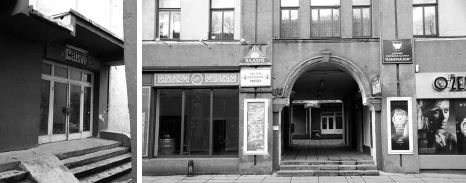
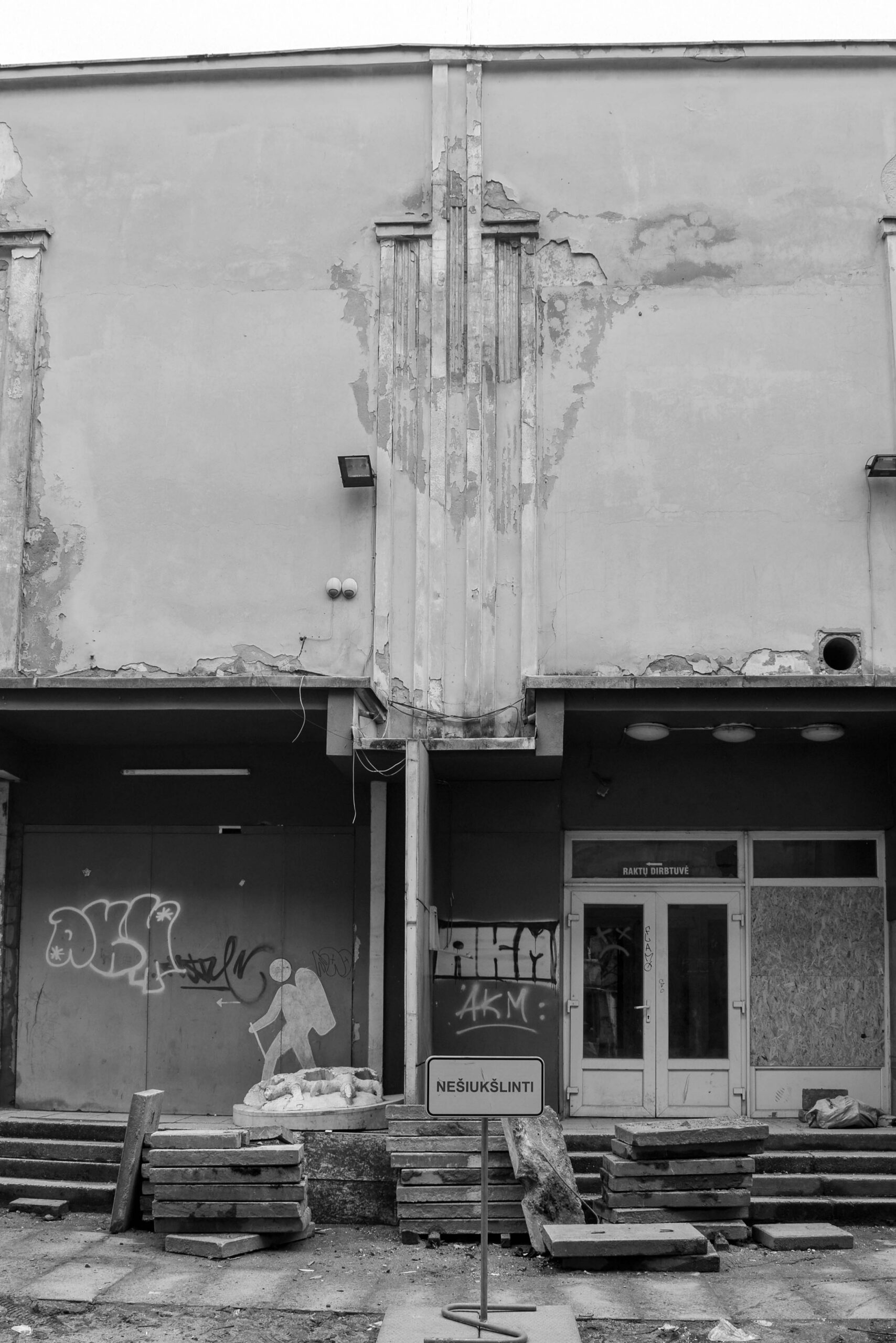
MUSIC CLUB “OLD DRAWER” (liet. SENAS STALČIUS)2
Laisvės al. 46a
Laisvės al. 46a
The club was established on the premises of “Laisvė“ Cinema (“Forum“ in the interwar period) and has been open since 1995. This alternative rock music club united musicians and artists. The owners of “Senas stalčius“ tried to maintain the rock music culture in Lithuania which was already declining at the time by organizing concerts, poetry evenings, music festivals.
“It was the first place where I could feel the pulse of artistic life, where I was able to look at the punks with colorfully dyed hair, listen to the mysterious music of Pink Floyd, Led Zeppelin, or other rock giants and feel like I was a part of the extraordinary movie. /…/ I will never forget that atmosphere, although sometimes it seems to me that “Senas stalčius” was just a dream, a mass hallucination. /…/ And I have always had an urge to go back there – I have only a few times paid a visit there yet still every time I pass the former “Laisvės” cinema, I go through the gates, take a look at the basement stairs, and feel that special aura. Anyway, they refused to sell me a coffee – fifteen years old teenager – telling me I was too young and it’s unhealthy… ” – this is how the writer Aleksandra Fomina shares her memories.
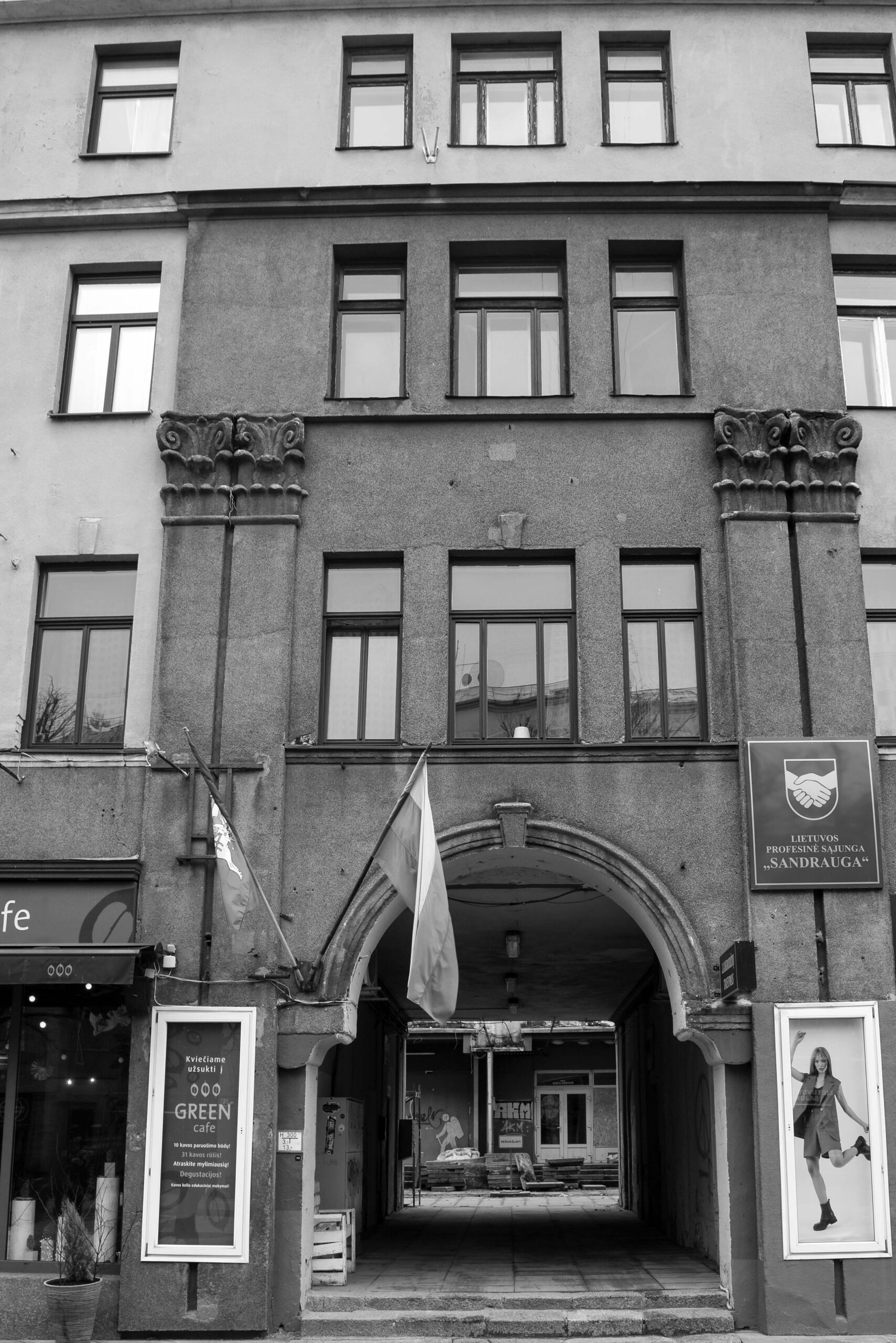
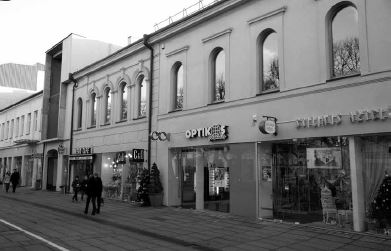
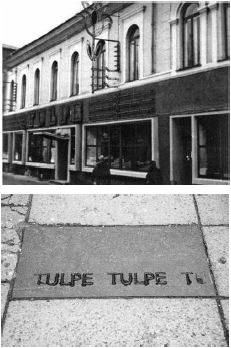
CAFÉ KONRADAS / TULIP (liet. TULPĖ) 3
Laisvės al. 45
Laisvės al. 45
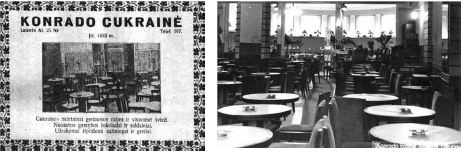
“Café Konradas“ / “Tulpė“ – was open to visitors from 1920 to 2003 and was the most famous bohemian place in Kaunas city during the interwar.
“Evening was the time when different people would gather at this café, and music was played by the orchestra, premises full of people and their scents including tobacco didn’t let neither to breathe nor talk. During noontime, between 12 am and 3 pm it used to turn into a unique intellectual and even political club”, once told Juozas Keliuotis.
At the time “Café Konradas“ regular guests were artsy people.
“The first encounters with bohemian culture /…/ were in my childhood. From the oldest times we, children, have called our father a “tulip man” because he used to sit in the “Tulpė“ all the time. We lived on the other side of Laisvės alėja right across the “Tulpė“. /…/ These times parents were allowed to bring children to cafés. He would buy us cakes while drinking coffee himself. He would engage in talking with people. My father used to work alone in his study so the evening was the time for socializing. However, not with anybody. An artist Truikys would come along, and other people, yet my father fancied the most pretty and intelligent women. He enjoyed talking with them to boost his mood after daunting tasks at work. I’m not sure whether this is called bohemian culture. However, I’m used to the atmosphere of such cafés from my early years”, Robertas Antinis shares his memories.
Metropolis4
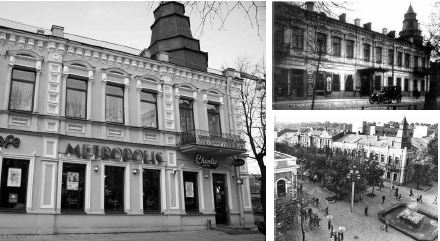
Laisvės al. 68 / S. Daukanto g. 19
Laisvės al. 68 / S. Daukanto g. 19
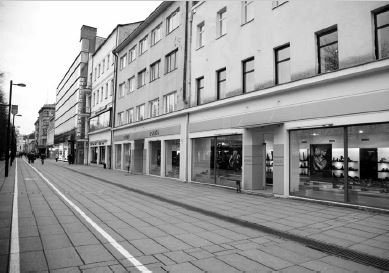
Since 1899 “Metropolis” was not only famous among rich and well-known public figures of Kaunas city, but bohemians as well. In the mornings it used to be occupied by the ladies (intellectuals would stress the meaning of word ladies ironically for bohemians) who would dress up as much as possible to pay a visit to cafés or restaurants, bringing altogether their best fur, expensive jewelry, and most importantly their little dog.
“The ladies with long dresses, men with tailcoats, waiters, a doorkeeper – you could feel the legacy of interwar period and continuity of such traditions. The mysterious doorkeeper opened the high dark wood door with brass handles as if revealed the mystery under the veil of a western restaurant, where you could still get the scent and feel the spirit of Antanas Smetona … ” – says architect Rimvydas Palys.
THE HAG (liet. LAUMĖ)5
Laisvės al. 61
Laisvės al. 61
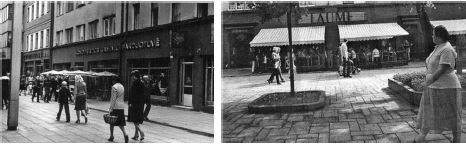
Since the late Soviet era and up until the first decade of independence “Laumė“ signature was good coffee and sweets, however, it has brought an even more important signature – a sense of belonging. Young people who identified themselves with “Laumė“ formed a unique subculture and called themselves “hag people“.
“A long time ago we fell from the heavens directly to “Laumė” – one of the most legendary places of Kaunas city. Until now I fail to understand how a candy shop became the chosen place of the city hippies, bohemians, and tramps.The place was full of sweets and full of us. “Laumė” somehow connected all of us, made poetry masters equals to first-generation hippies both in discussions or in silence”, that’s how it is remembered by the poet Kęstutis Navakas.
“Coffee was always by our side, but the most important thing was to see, hear, and in the process of communication reach a conclusion, find out something new, or even to declare something. /…/ Artistic premiers took place here. If someone wrote a poem, they could read it aloud in and receive feedback or criticism “, tells poet Erika Drungytė.
ALEKSANDRAS PERKAUSKAS CONFECTIONERY / LITUANIKA / MONIKA / ORBITA6
Laisvės al. 82 / Maironio g. 17
Laisvės al. 82 / Maironio g. 17
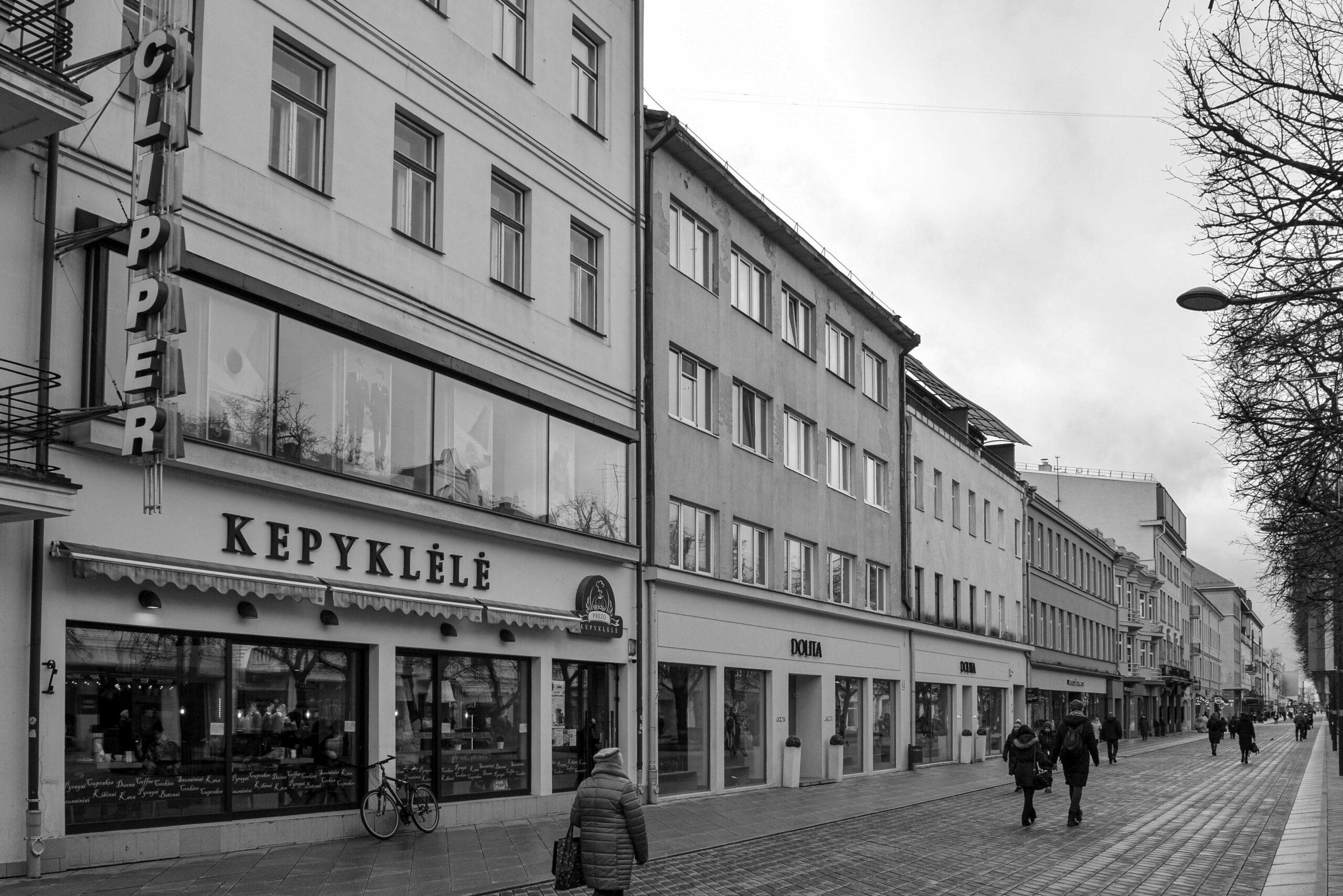
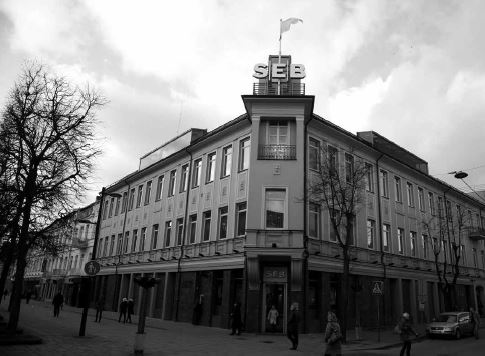
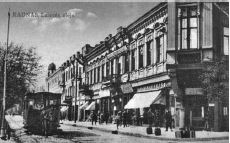
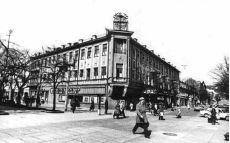
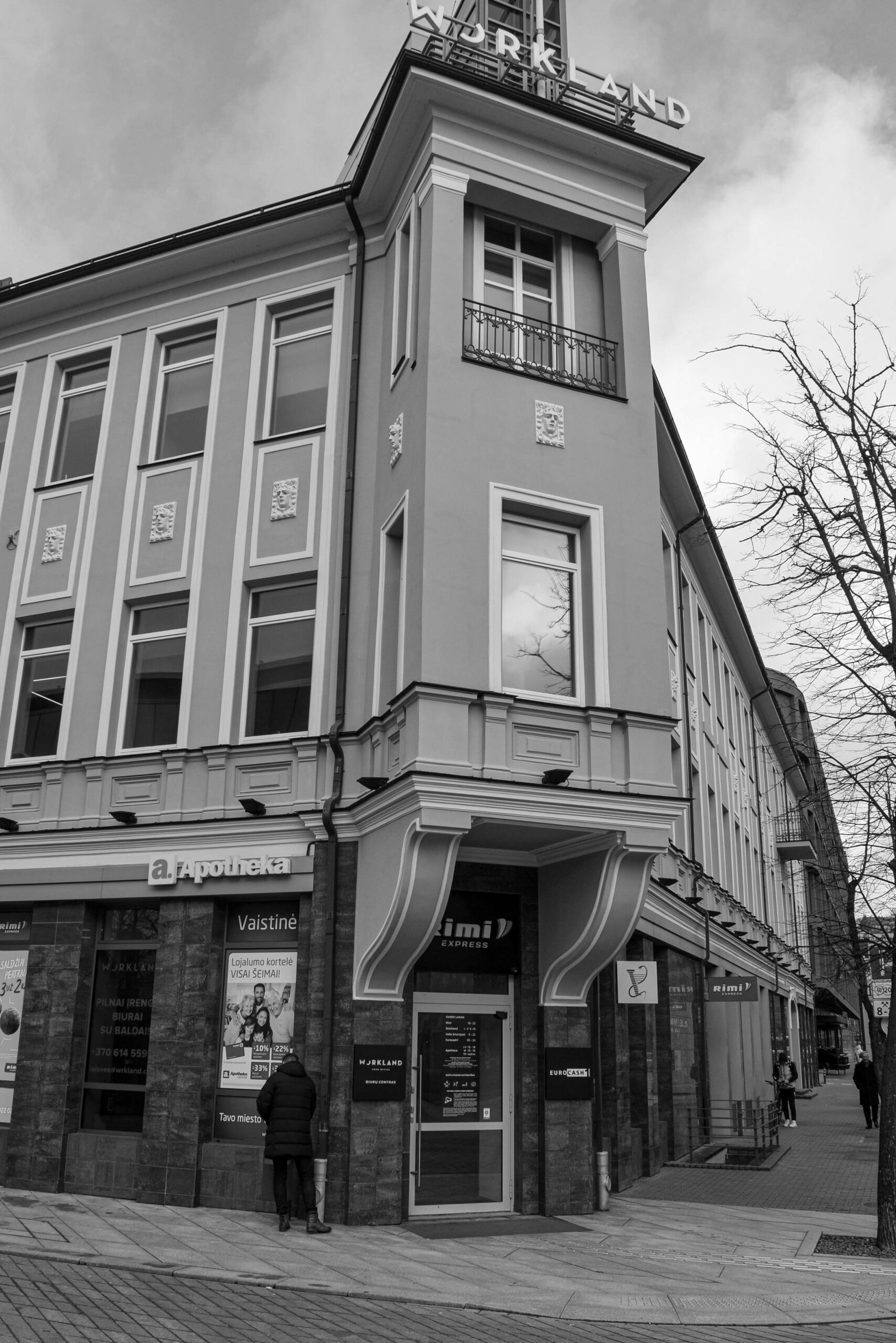
The history of Aleksandras Perkauskas confectionery dates back to the time of the gubernia – to the end of the 19th century when chocolate and pastries were made in the basement of this building. In 1915 it was basically the only café around Kaunas city – a place where the citizens learned about news of the city. The Perkauskas confectionery was closed in 1928, in 1931 its’ place took café “Lituanica” and in 1936 – the café “Monika”. The story of the building continued its bohemian way through Soviet times and in the 1960s re-opened as a bar “Orbita” which lasted until the end 20th century.
“The waitresses used to wear gray-dotted dresses together with pink aprons. “Monika” was very popular among Kaunas Jews, always well-behaved passionate chess players. Especially for the game equipped rooms were always full of them, and after closing hours, last to leave,” says Stasė Taujanskaitė, a waitress who worked at “Monika” Café.
“There was also a great club “Orbita”. In general, it was a quite special one. You could watch erotic videos there, it was more like a strip club. The things I can recall from Laivės alėja cafés are long queues at the door and difficulty getting in there during evening hours. Some people didn’t have to wait in a queue – doormen just let them in, and they used to have their sign system. They winked, nodded, waved, or did similar gestures. It would be really strange if there were queues in cafés nowadays. In the old days, doormen had the power to decide and if they wouldn’t like you, they could decide to not let you in. And people obeyed”, tells sculptor Robertas Antinis.
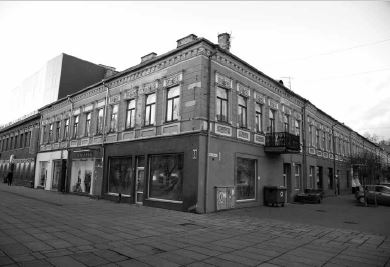
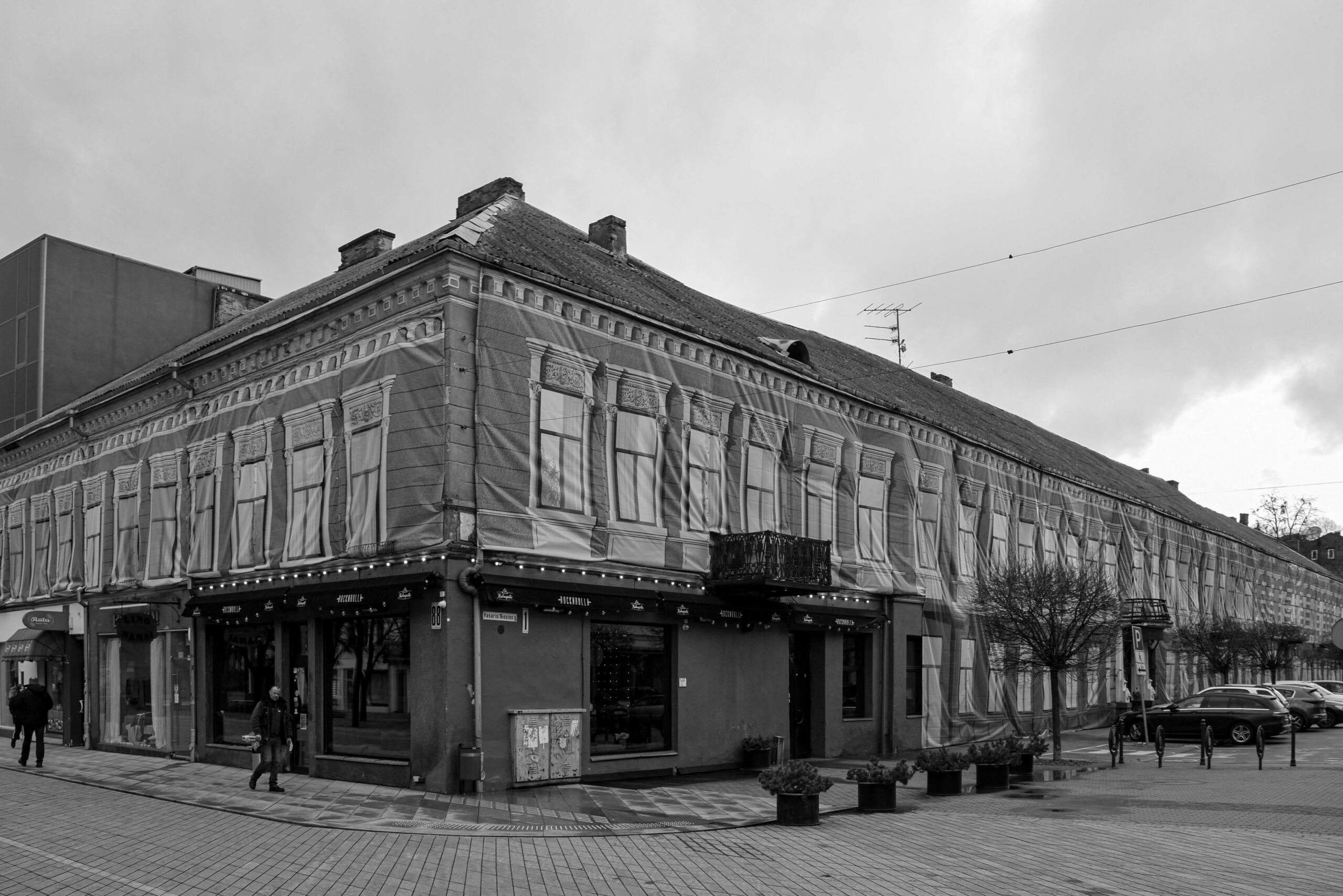
VERSALIS / VAKARAS7
Laisvės al. 88
Laisvės al. 88
“Versalis” / “Vakaras” was open from the beginning of the 20th century up until the end of it.During the interwar period, “Versalis” had a “cabaret” and thus was sometimes called a “Little Paris.” It was a bohemian place where writers, artists, and other members of “liberal professions” tend to gather. In 1953 “Versalis” has been nationalized, and for some time turned into a foreign literature bookstore. Later on, it was renamed “Jaunimo kavinė”, and then “Vakaras”. With the enactment of the alcohol distribution restricting law, it was turned into a night cocktail bar. It was a living room without daylight, surrounded by black velvet-cut walls, a black silk ceiling with colorful night butterflies, glowing beetles, stars. Beside walls – green and red plush sofas, tables. Those who chose to hold a party there wouldn’t be able to tell whether it’s the day or night.
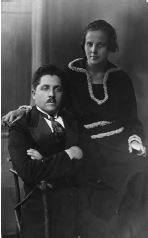
“My grandparents Povilas and Vanda Tarnauskai were shareholders of the company “Versalis” and founded it around 1930 altogether with two more friends. /…/ Restaurant “Versalis” had its orchestra, instructed by Jaša Kašinsky of Jewish origin /…/. This restaurant was the only one in Kaunas to have a cabaret in the evening. The cabaret troupe consisted mainly of dancers specially hired from abroad (Germany, the Czech Republic). Two Lithuanians – sisters Irena and Genutė Lyvaitės took a part in dancing as well /…/. The girls danced on a circular stage in the former hall. Officers of very high rank and artists used to pay a visit in this restaurant”, says Liuda Riaukienė.
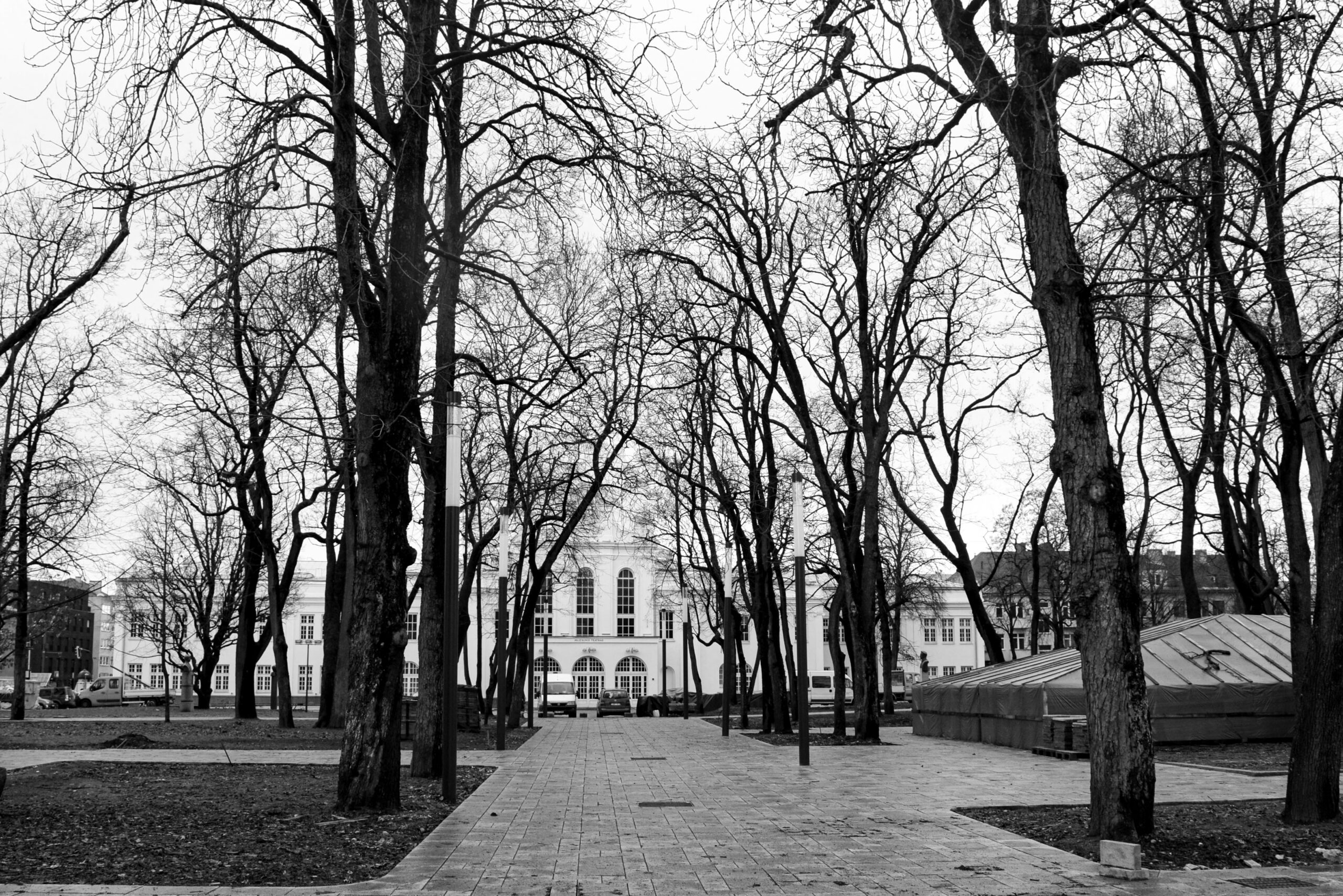
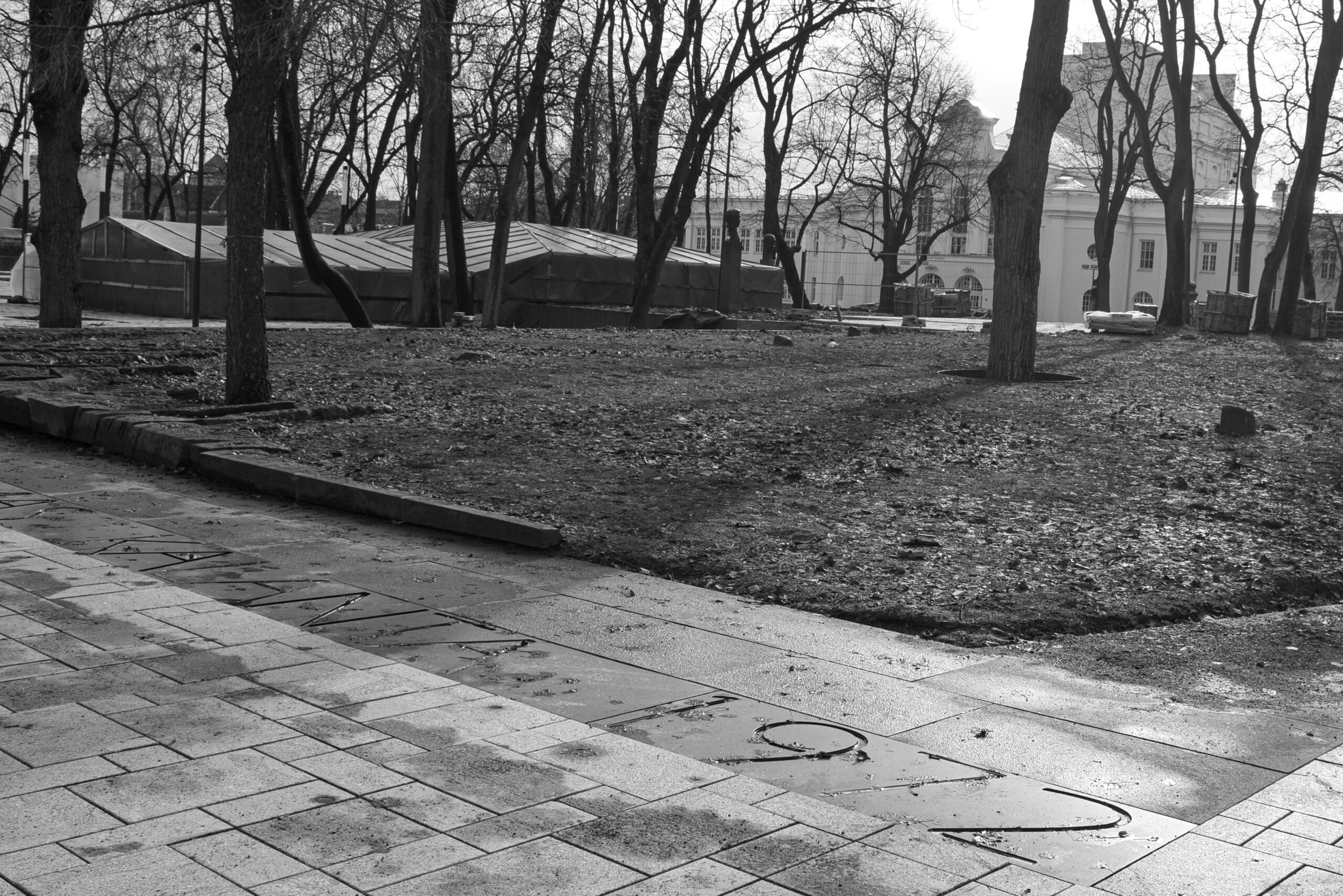
CITY GARDEN – GARDEN OF KAUNAS MUSICAL THEATRE (liet. KAUNO MUZIKINIO TEATRO SODELIS)8
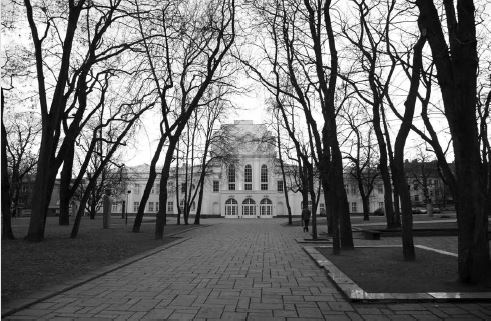
Laisvės al. 91
Laisvės al. 91
Kaunas City Garden began to develop after 1863, later the businessman Jan Rudolf organized circus and theatrical performances, concerts. There was never a shortage of entertainment in the city garden –summer theater and restaurant, movie nights, bowling, dancing…
Even the Soviet era didn’t take away the bohemian spirit of City Garden. In the 1970s, the hippie youth group named “Company” began to form here, establishing a rock band “Raganiai”, and rebelled with their appearance and worldview towards the norms of Soviet life.
Even after the restoration of Lithuania’s independence, the City Garden remained a significant place where the bohemian atmosphere didn’t fail to be maintained. For example, here used to take place the duel of recitation and improvised readings of poetry.
Today the garden is full of monuments to composers Mikas Petrauskas, Česlovas Sasnauskas, Juozas Gruodis, Kipras Petrauskas, Stasys Šimkas, a composition to Romas Kalanta who burned himself for Lithuania’s freedom. On its outskirts, you can even find a mill tower with the remains of the city wall (dating back to the middle of the 17th century).
“We were proud of Kaunas, we were hurt for Lithuania and many people wore Smetona litas coin with the image of Duke Vytautas,” the City Garden became “symbol of the open desire for freedom”, a little “anti-conformist island”. The Hippie movement came along as an important phenomenon towards freedom in soviet Kaunas and overall Lithuania. On the 14th of May, 1972, Romas Kalanta in protest against the Soviet regime, burned himself alive here and became a symbol of the “broken generation”, says Arkadijus Vinokuras, a member of the “Company”.
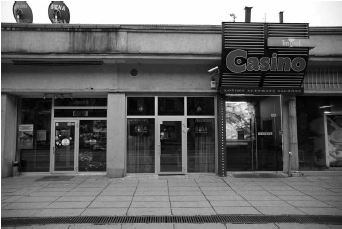
WINERY “POINT A” (liet. TAŠKAS A)9
Laisvės al. 93
Laisvės al. 93
The winery was open from 2011 to 2013.
People used to gather here mainly for the process of listening to one another. It was called “Taškas A”.Not only painters or other artists would come here, but outsiders also and by listening and observation entered into the bohemian context of “Taškas A”, says sculptor Robertas Antinis.
“For some reason, an unusual audience began gathering there: Modestas Patašius, a couple or three famous Kaunas painters, would pay a visit to Patackas and everything turned out OK. Giedrė contributed with a great amount of work to the Kaunas city bohemians – she took care of her clients / the close circle and it was more than enough. Additionally, after the performances musicians of Kaunas Musical Theater always would come to “Taškas A”. I had a chance to witness some of those improvised reading-playing performances. It was a great place. /… / Audrys Karalius organized Kalantinės there – and it turned into a fantastic event … ” – recalls journalist Valdas Kilpys.
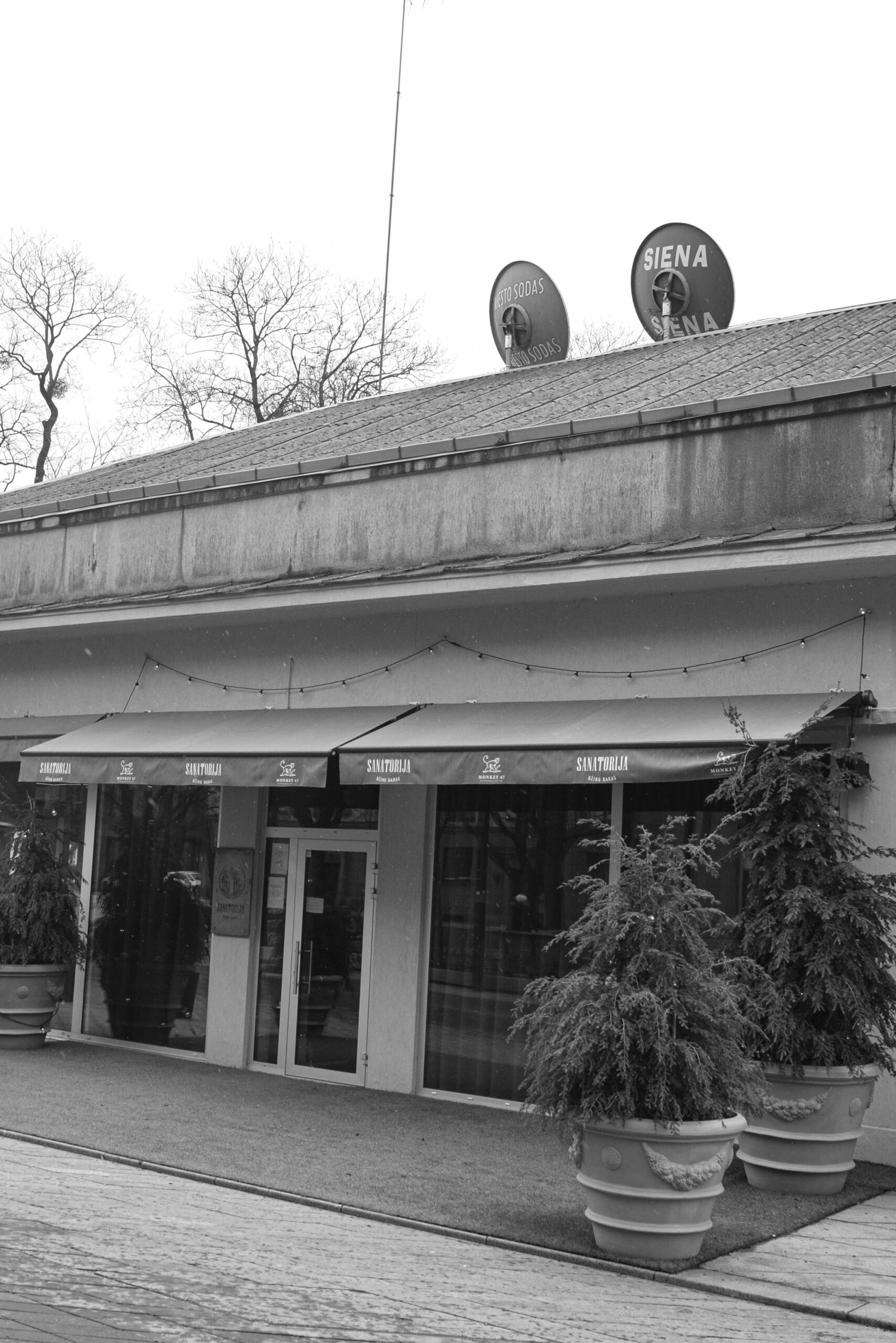
...ir kitos bohemos vietos10
Rašytoja Violeta Šoblinskaitė-Aleksa:
Rašytoja Violeta Šoblinskaitė-Aleksa:
Sambūriai dažniausiai vykdavo kieno nors namuose. Kitaip tariant, bohema užsidarydavo virtuvėje. Sovietmečio virtuvės bohema – ar toks pasakymas tinkamas? Skamba įdomiai. [Šiauliuose] šnekėtis rinkdavomės Olitos Dautartaitės, poeto Petro Balčiūno virtuvėse. Nors būta ir „saloninio“ bendravimo, tarkime, poetės Auksės Vasaitytės namuose. […] Kauno bohemą atradau ne iš karto, mat atsikėlusi iš Šiaulių apsigyvenau ne mieste, o Mozūriškiuose – tokiame vienkiemių kaime, vakarų kryptimi nuo Laikinosios sostinės nutolusiame per devyniolika kilometrų. Kai iškišdavau nosį iš namų, pirmiausiai skubėdavau į Lietuvos rašytojų sąjungos Kauno skyrių – tuo metu ten pirmininkavo poetas Algimantas Mikuta, atmosfera jauniems buvo kolegiška. Kai kurie „jaunųjų rašytojų sekcijos nariai“ retsykiais aplankydavo ir mano kaimietiškąją „rezidenciją“. Pamenu, kaip Kęstutis Navakas po vieno vakarėlio piktinosi, kad jį per anksti prižadino Mozūriškių musės – ir kaip jis, rytinės kavos atsigėręs, iškeliavo miško takeliais iki Kulautuvos. O kai grįžo, buvo dar labiau pasipiktinęs, kad kurorte nerado knygyno – Kęstučio, o kitaip tariant, Knygų žiurkės dienos ritualas tąkart buvo nepataisomai sujauktas ir sugadintas… […] Kur dabar susibėga Kauno bohema, nežinau. Kavinėse juk nebeleidžiama rūkyti. Tai gal ir vėl visi atsiminė virtuvę – tą vietą, kurioje galima viskas, kas tik į galvą šauna?
Rašytoja Aleksandra Fomina:
Kiemai, ko gero, ir yra man brangiausia Laisvės alėjos vieta. Dramos teatro kiemelis, Žilinsko galerijos laiptai ir užkampiai, fantasmagoriško spalvingumo „Pigių rūbų“ parduotuvėlės kiemelyje netoli „Spurginės“, parkelis prie Muzikinio teatro, kur vieną vakarą labai netikėtai ir fatališkai įsimylėjau… Niekada nepamiršiu to vaizdo, kai šikšnosparniai suko ratus aplink didžiulius medžius paslaptingai švytinčiame liepos mėnesio danguje, o pasiraitoję kelnes mano draugai vidury žmonių šurmulio lipo į fontaną maudytis, mat jiems buvo per karšta… […] Mėgau bastytis tais kiemais viena – klajoti ir tyrinėti tas „neformalias“ erdves kokią saulėtą rudens dieną, o paskui, išsiilgus žmonių, išlįsti kur nors prie „Spurginės“ ir prisipirkti skanėstų. Į „Spurginę“ ir šiaip užsukdavom lietingomis rudens popietėmis, nes ten visada skaniai kvepėjo ir buvo pigu. Bet su tais kiemais jaučiu asmeninį ryšį, būtų įdomu pamatyti, kas ten dabar, kas pasikeitė. Esu suradusi neįtikėtino meniškumo kampelių su senomis skulptūromis, nežinia kaip ten atsiradusiomis plastiko ir vielos konstrukcijomis – kiekvieną kartą vaikštinėdama ten atrasdavau ką nors tapybiško ir mįslingo.